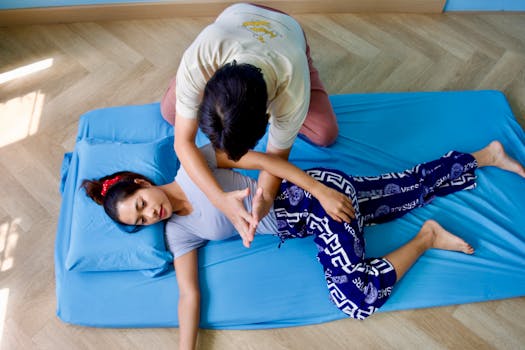
The Art of Japanese Shiatsu Massage
Shiatsu, a term that translates literally to "finger pressure," is a form of therapeutic bodywork from Japan. Unlike Western massage techniques, shiatsu involves applying pressure using thumbs, fingers, and palms to specific points on the body, combined with stretching and other massage techniques. This method is not just about relaxation; it's a holistic approach to improving body functions and enhancing health.
Origins and Development of Shiatsu
.png)
Shiatsu's origins can be traced back to traditional Chinese medicine, which heavily influenced early Japanese healing practices. Over the centuries, these practices evolved into what is known today as shiatsu. The formal recognition of shiatsu in Japan occurred in the early 20th century when Tokujiro Namikoshi founded the first shiatsu college in the 1940s. Namikoshi's style, often referred to as Namikoshi shiatsu, emphasizes the importance of anatomy and physiology, as opposed to the more traditional energy-focused therapies.
Principles of Shiatsu
The core principle of shiatsu massage revolves around the concept of Qi (chi), which is a vital energy that circulates through the body along pathways known as meridians. According to traditional Asian medicine, the free flow of Qi is essential for maintaining health. Blockages or imbalances in Qi can lead to illness and discomfort. Shiatsu aims to remove these blockages, restore balance, and enhance the body's natural ability to heal itself.
Techniques and Application
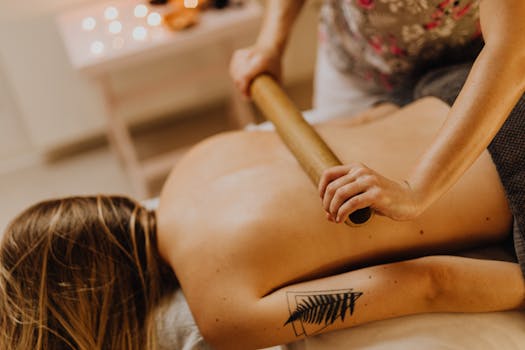
A typical shiatsu session involves the practitioner using their fingers, thumbs, and palms to apply pressure to various points on the body. These points, known as acupoints or shiatsu points, correspond to different body organs and functions. The pressure exerted can vary from gentle to firm, and it is often described as deeply relaxing, sometimes accompanied by a feeling of being energized.
Shiatsu practitioners use a variety of techniques including:
- Rotating and stretching limbs and joints
- Effleurage (gentle rubbing)
- Petrissage (kneading of muscles)
- Tapotement (a tapping technique used for invigorating the body)
Sessions typically last from 45 minutes to an hour, and the client usually lies on a mat on the floor, wearing loose, comfortable clothing to allow for movement.
Health Benefits of Shiatsu
The benefits of shiatsu massage are extensive, ranging from the physical to the psychological. Some of the key health benefits include:
- Relief from muscle pain and stiffness
- Enhanced energy levels
- Improved circulation
- Reduction in stress and anxiety
- Enhanced sleep quality
- Boost in digestive health
Shiatsu is also often used as a complementary therapy for managing chronic conditions such as arthritis, sciatica, and migraines.
Who Can Benefit from Shiatsu?
Shiatsu is suitable for people of all ages and in various states of health. It can be particularly beneficial for those dealing with stress, chronic pain, or those recovering from injuries. However, as with any therapy, it's important to consult with a healthcare provider before beginning treatment, especially for individuals with certain medical conditions such as heart disease or cancer.
Finding a Qualified Shiatsu Practitioner
When looking for a shiatsu therapist, it's crucial to find someone who is properly trained and experienced. In many places, practitioners are required to be licensed or certified. Potential clients should look for practitioners who have graduated from accredited training programs and who adhere to the standards of professional associations such as the American Organization for Bodywork Therapies of Asia (AOBTA) or the European Shiatsu Federation.
Conclusion
Shiatsu is more than just a massage; it's a comprehensive approach to wellness that integrates physical, emotional, and energetic elements. Its non-invasive techniques make it a safe and beneficial therapy for many. Whether you're looking to relieve stress, manage pain, or improve your overall health, shiatsu offers a unique and powerful way to help your body restore balance and vitality.
In exploring the art of Japanese shiatsu massage, individuals open themselves up to a world of healing and relaxation that has been refined over centuries. Its holistic benefits make it a favored choice for those seeking a natural approach to health and well-being.