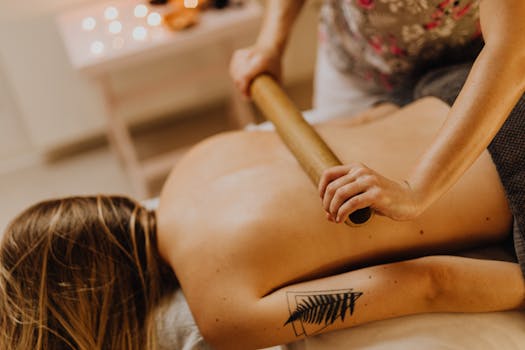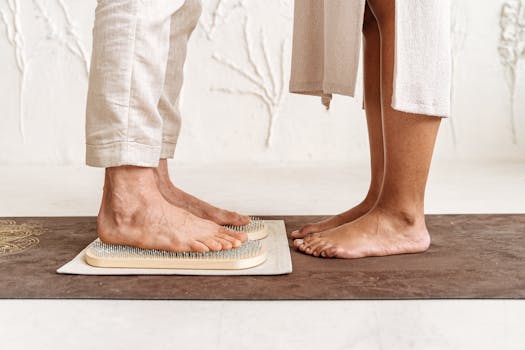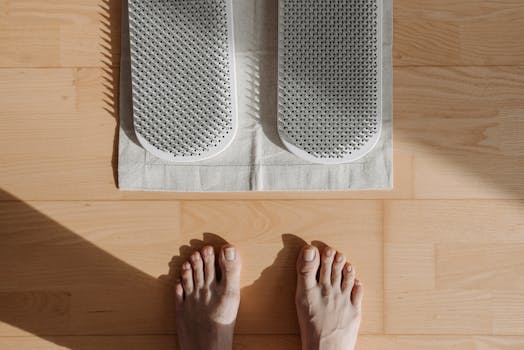
Reflexology—a centuries-old therapeutic technique—has recently gained renewed attention as a natural way to manage stress in our increasingly fast-paced world. Unlike traditional massage, reflexology focuses on applying pressure to specific points on the feet, hands, and ears, which correspond to various organs and systems in the body. This holistic approach aims not only to relax the body, but also to promote overall well-being and balance. With mounting scientific evidence and a growing number of advocates, reflexology is emerging as a valuable tool in the fight against everyday stress.
Understanding Reflexology: Origins and Principles
Reflexology traces its roots back to ancient civilizations, including Egypt and China, where pressure therapies were used to promote healing. The modern practice of reflexology was developed in the early 20th century by American physiotherapist Eunice Ingham, who mapped specific "reflex zones" on the feet and hands to corresponding organs and systems. The core principle is that stimulating these reflex points helps release tension, improve circulation, and restore the body’s natural balance.
Today, reflexology is recognized as a complementary therapy, often used alongside conventional medical treatments. According to the American Reflexology Certification Board, there are more than 30,000 practicing reflexologists in the United States alone. The World Health Organization has acknowledged the potential benefits of reflexology in managing stress and promoting health, reflecting its growing acceptance worldwide.
.png)
How Stress Affects the Body
Before delving into how reflexology can help, it’s important to understand the impact of stress on the body. Chronic stress triggers a cascade of physiological responses, including the release of stress hormones like cortisol and adrenaline. While these hormones are helpful in short bursts—preparing us for "fight or flight" situations—prolonged exposure can lead to a variety of health issues.
- According to the American Psychological Association, 77% of people in the U.S. regularly experience physical symptoms caused by stress. - Chronic stress is linked to headaches, digestive problems, sleep disturbances, elevated blood pressure, and weakened immune function. - Mental health effects include anxiety, depression, and difficulty concentrating.Given the widespread and pervasive nature of stress, finding effective, non-pharmaceutical ways to manage it is more important than ever. This is where reflexology comes into play.
Reflexology’s Mechanisms in Stress Management
So, how exactly does reflexology contribute to stress reduction? The practice is thought to work on several levels:
1. $1: By applying targeted pressure to reflex points, reflexology stimulates nerve endings and sends calming signals to the central nervous system. This can induce a deep state of relaxation, counteracting the body’s stress response. 2. $1: Reflexology has been shown to boost blood flow, promoting better oxygen and nutrient delivery to tissues. Improved circulation supports the body’s natural healing processes and reduces the physical effects of stress. 3. $1: Studies suggest that reflexology stimulates the release of endorphins—natural chemicals that help improve mood and reduce pain perception. 4. $1: Reflexology may help regulate hormonal imbalances caused by chronic stress, including cortisol and adrenaline levels.A 2015 study published in the Journal of Traditional and Complementary Medicine found that participants who received foot reflexology reported significant reductions in anxiety and stress levels compared to a control group. Another meta-analysis in 2020 concluded that reflexology can be a valuable adjunct therapy for reducing stress, especially in healthcare workers and individuals with chronic illnesses.
Comparing Reflexology with Other Stress Management Techniques
With so many stress reduction methods available, how does reflexology stack up against more familiar techniques like meditation, yoga, or traditional massage? The table below provides an overview of key differences and similarities.
| Technique | Primary Focus | Typical Session Length | Scientific Support for Stress Reduction | Unique Benefits |
|---|---|---|---|---|
| Reflexology | Pressure points on feet/hands/ears | 30-60 minutes | Moderate (multiple studies show benefit) | May benefit organ function; no need to undress |
| Meditation | Mindfulness & breathing | 10-30 minutes | Strong (large body of research) | Self-led; can be practiced anywhere |
| Yoga | Movement & breath | 30-90 minutes | Strong (extensive research) | Improves flexibility & strength |
| Traditional Massage | Muscle manipulation | 30-90 minutes | Strong (well-documented) | Targets muscle tension; full-body relaxation |
| Deep Breathing | Controlled breath techniques | 5-20 minutes | Moderate to strong | Quick, portable, easy to learn |
While reflexology shares some relaxation benefits with other techniques, its focus on specific reflex zones and its potential impact on organ function set it apart. This makes reflexology an ideal choice for those seeking a gentle, non-invasive approach that targets both physical and emotional stress.
What to Expect During a Reflexology Session
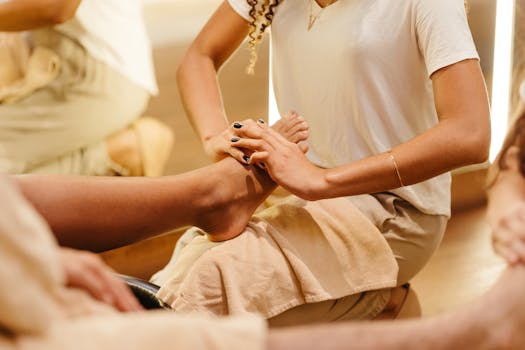
For those new to reflexology, knowing what to expect can make the experience more comfortable and effective. Here’s a typical outline of a session:
- $1: The reflexologist may ask about your health history, stress levels, and specific concerns. - $1: Sessions usually occur in a quiet, calming environment. You remain fully clothed except for your feet (and sometimes hands). - $1: The reflexologist uses their thumbs and fingers to apply gentle, systematic pressure to specific points on the feet, hands, or ears. - $1: Sessions last between 30 and 60 minutes. - $1: Most people describe the sensation as deeply relaxing, though some reflex points may feel tender if there is imbalance in the corresponding body part. - $1: Clients are often advised to drink water and rest after a session to help flush out toxins and maximize the benefits.A 2023 survey conducted by the Reflexology Association of America found that 89% of clients reported a noticeable reduction in stress after just one session, and 76% experienced better sleep that same night.
The Science: Evidence Supporting Reflexology for Stress
While reflexology is still considered a complementary approach, a growing body of research supports its role in stress management:
- A 2017 study in the journal Complementary Therapies in Clinical Practice followed 50 hospital nurses and found that weekly foot reflexology sessions reduced anxiety scores by 40% over eight weeks. - Research published in the International Journal of Nursing Studies (2021) found that cancer patients receiving reflexology reported significantly lower stress and anxiety levels compared to those receiving standard care alone. - A 2019 review of 26 randomized controlled trials noted that reflexology is particularly effective in reducing psychological distress in people with chronic medical conditions, including heart disease and diabetes.These studies suggest that reflexology is more than just a relaxing foot rub—it may have measurable, positive effects on both physical and emotional aspects of stress.
Who Can Benefit from Reflexology?
Reflexology is suitable for a wide range of individuals, including:
- Office workers experiencing job-related stress and tension - Parents managing the demands of family life - Athletes seeking recovery and stress relief - Elderly individuals dealing with chronic illnesses or reduced mobility - Healthcare workers and caregiversThat said, reflexology is generally safe for most people, but those with foot injuries, blood clotting disorders, or certain health conditions should consult a healthcare professional before starting sessions.
Conclusion: A Holistic Approach to Stress Management
In a world where stress is virtually unavoidable, reflexology offers a gentle and holistic way to restore balance. By targeting precise reflex points linked to organs and systems throughout the body, this therapy helps calm the nervous system, improve circulation, and promote the release of endorphins—all of which help counteract the effects of chronic stress.
While reflexology should not replace medical care for serious health conditions, its evidence-based benefits make it a valuable addition to any stress management toolkit. Whether used alone or in combination with other therapies, reflexology empowers individuals to take an active role in their well-being, one step at a time.