Reflexology: A Holistic Approach to Wellness Through Your Hands and Feet
Reflexology is a non-invasive, holistic therapy that utilizes specific pressure techniques applied to the hands and feet to enhance health and well-being. This ancient practice, rooted in traditional Chinese medicine, operates on the premise that specific zones on the feet and hands correlate directly with various organs and bodily systems. By stimulating these points, reflexologists aim to facilitate healing and promote balance within the body.
Understanding Reflexology and Its Principles
.png)
Reflexology is based on the belief that the feet and hands contain maps of the entire body. These maps consist of reflex points that correspond to different body organs and systems. Reflexologists use detailed foot and hand charts to locate these points. During a session, they apply pressure using their thumb, finger, and hand techniques to these specific areas, aiming to release blockages and restore energy flow throughout the body.
The Benefits of Reflexology
The primary benefits of reflexology include deep relaxation, stress reduction, and enhanced circulation. These effects contribute to an overall sense of well-being and can aid in the management of various health conditions, including:
- Stress and Anxiety: Reflexology can help soothe the nervous system, reducing the physical manifestations of stress and anxiety.
- Pain Relief: Many find reflexology helpful in managing chronic pain, particularly in conditions like arthritis or migraines.
- Improved Circulation: By stimulating reflex points, reflexology can enhance blood flow, which is vital for promoting healthier organ function and cellular repair.
- Detoxification: Enhanced circulation also facilitates better elimination of toxins from the body.
- Boost in Energy Levels: Reflexology can invigorate the body by improving energy flow and balance.
What to Expect in a Reflexology Session
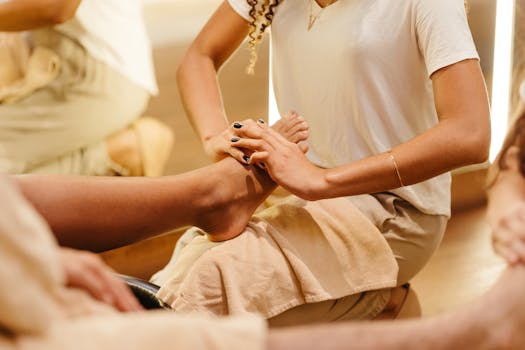
Reflexology sessions typically last between 30 and 60 minutes. During a session, you will either sit in a reclining chair or lie on a table. The reflexologist will begin by assessing your feet for areas of tenderness or tension, which might indicate energy blockages. They will then apply specific pressure techniques to appropriate points on the hands and feet. While the focus is usually on the feet, the hands and ears may also be worked on to enhance the therapy’s effectiveness.
Considerations and Safety
Reflexology is generally safe for most people. However, certain conditions may require caution or consultation with a healthcare provider before proceeding with reflexology. These conditions include pregnancy, foot injuries, active infections, and certain vascular diseases. Always ensure that you are receiving treatment from a trained and certified reflexologist to maximize benefits and reduce any risks.
Integrating Reflexology into Your Health Regimen
Many people incorporate regular reflexology sessions into their wellness routine for its cumulative benefits. Whether you are dealing with specific health issues or simply seeking a method to reduce stress and improve overall health, reflexology offers a promising, gentle, and holistic approach.
In conclusion, reflexology is more than just a foot or hand massage. It is a detailed, targeted practice that aims to stimulate the body’s healing processes and promote balance within the organ systems. By integrating reflexology into your health regimen, you might discover a powerful ally in maintaining and enhancing your overall health and well-being.