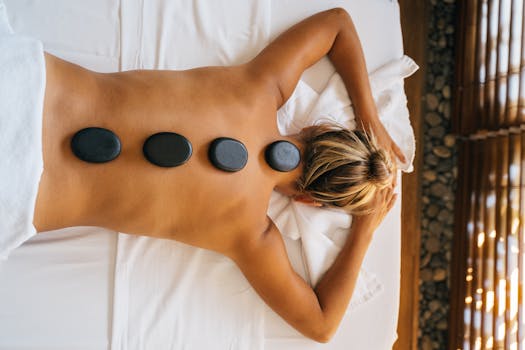
Embarking on your first massage session can be both exciting and a bit nerve-wracking if you're not sure what to expect. This comprehensive guide is designed to ease your concerns, giving you a clear overview of the process and what you can do to make your first massage a truly beneficial experience.
Understanding the Basics of a Massage Session
Massage therapy involves the manipulation of the body’s soft tissues, like muscles and ligaments, to improve health and well-being. Massage therapists are trained to use various techniques that can be adapted based on the client's individual needs and health conditions.
.png)
Before the Massage: Preparation and What to Bring
Hydration: Drinking water before your session is crucial. Hydrated muscles are more pliable, which can enhance the effectiveness of the massage.
Clothing: Opt for loose, comfortable clothing. Depending on the type of massage, you may be asked to undress to your comfort level, but privacy and comfort are always prioritized.
Health Information: Be ready to discuss your health history. This ensures your massage therapist can tailor the session without compromising your safety or comfort.
Arrival and Initial Consultation
Arriving early allows you to unwind and handle any administrative tasks like filling out health forms. During the initial consultation, share any pertinent health information, discuss areas of concern, and your goals for the session. This dialogue helps customize your experience.
During the Massage: What Techniques Might Be Used?
Swedish Massage: Ideal for beginners and those looking to relax, this technique involves light to medium pressure.
Deep Tissue Massage: Targets deeper layers of muscle and is beneficial for chronic muscle tension.
Sports Massage: Best suited for athletes, this type focuses on areas strained through physical activity.
What Will You Feel During the Massage?
Feelings of relaxation are common, but you may also experience some discomfort during deeper work. Always communicate with your therapist about your comfort levels, as adjustments can be made to ensure a soothing experience.
Post-Massage: What to Do After Your Session
It's normal to feel a bit drowsy or light-headed immediately following your massage. Take a moment to sit up slowly and dress. Drinking water post-massage helps to hydrate the body and clear out toxins released during the session. Some soreness can occur, especially after a deep tissue massage, but this typically subsides within a few days.
Frequently Asked Questions
Do I need to tip my massage therapist? Yes, tipping is customary and appreciated for good service in the U.S., with 15-20% being standard.
How often should I get a massage? Frequency can vary based on personal needs and goals. Some might choose weekly sessions, while others might visit monthly or even less frequently.
Can I eat before a massage? Eating a light meal before your massage is recommended. A full stomach can cause discomfort during the session.
Conclusion
Your first massage should be a relaxing and positive experience. By understanding what to expect and how to prepare, you're setting the stage for a session that aims to alleviate stress and enhance your physical well-being. Communicate openly with your therapist, and don't hesitate to ask questions. Your journey to relaxation and health starts here!