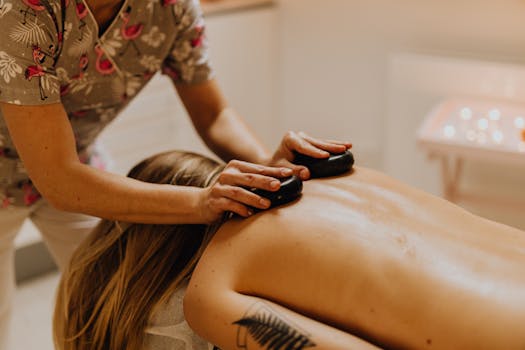
Understanding the Science Behind Swedish Massage Techniques
Swedish massage, a therapy embraced globally, not only offers a tranquil escape but also extends numerous health advantages. This form of massage therapy utilizes a variety of techniques such as effleurage, petrissage, friction, and tapotement, each contributing uniquely to enhancing both mental and physical health.
Techniques and Their Benefits
.png)
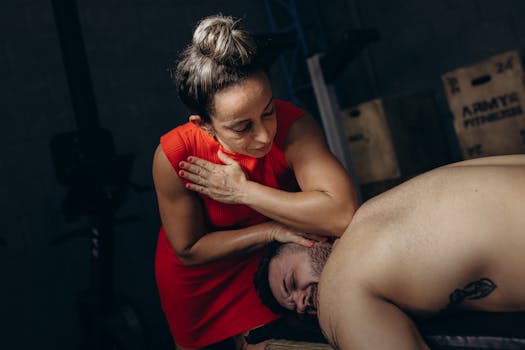
- Effleurage: This technique features long, sweeping strokes that range from the neck to the spine's base or from the shoulders down to the fingertips. Used primarily at the beginning and end of a massage session, effleurage helps relax the body and stimulate blood circulation and the lymphatic system. The pressure, whether light or firm, warms up the muscles, setting the stage for more intense strokes.
- Petrissage: Through kneading motions using hands, fingers, or thumbs, petrissage works deeply to alleviate muscle tension and knots. This enhances flexibility and circulation, stimulates deep muscle layers, aids in muscle recovery, and reduces soreness.
- Friction: In this method, deep circular motions are applied to muscle groups to break down adhesions and scar tissue, which boosts mobility and diminishes pain. Friction also generates heat, thus increasing blood flow and promoting the healing process.
- Tapotement: Characterized by rhythmic, percussive strokes using the hand's edge, a cupped hand, or fingertips, tapotement energizes the body, alleviates muscle tension, and refreshes tired muscles, improving overall muscle tone.
Health Benefits Beyond Relaxation
Swedish massage extends its benefits to mental health by significantly reducing stress, anxiety, and depression. The physical interaction during a massage stimulates the release of endorphins—known for their pain-relieving and mood-enhancing properties. This hormonal release fosters an improved mood, reduced stress levels, and a general sense of well-being.
Physically, Swedish massage enhances blood circulation, which is crucial for delivering oxygen and nutrients to the cells. This is particularly beneficial for muscle recovery post-exertion. Better circulation not only improves skin tone and appearance but also boosts the immune system's function.
For those dealing with chronic pain—arising from conditions like arthritis, sciatica, or muscle spasms—Swedish massage can be a valuable component of a pain management strategy. It eases muscle tension and boosts circulation, which together help mitigate pain and enhance life quality.
Conclusion
Swedish massage offers a profoundly relaxing and therapeutic experience. Its scientifically backed techniques aid in relaxation, improve circulation, and alleviate muscle tension, catering to a wide range of needs—from stress relief and physical recovery to chronic pain management. Understanding the science behind Swedish massage not only helps individuals appreciate its benefits but also empowers them to incorporate this therapy into their wellness routine for improved overall health.