Understanding the Connection Between Massage and Mental Health
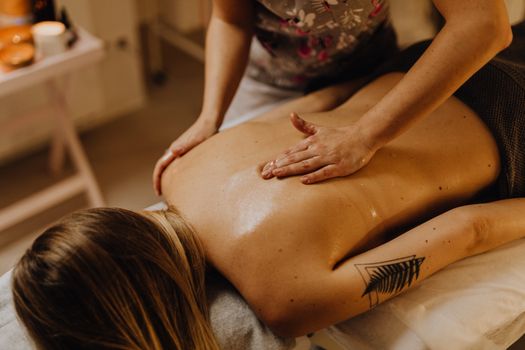
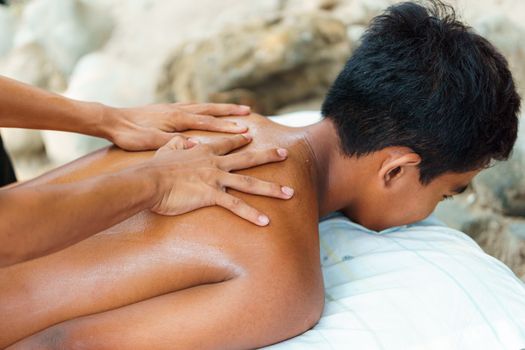
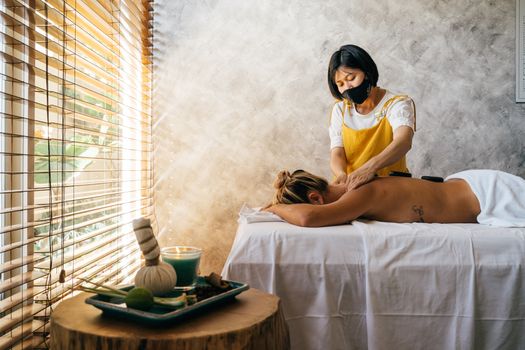
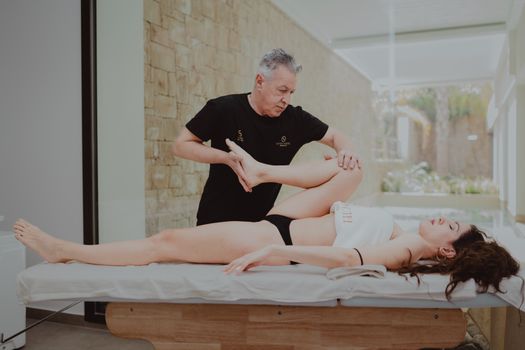
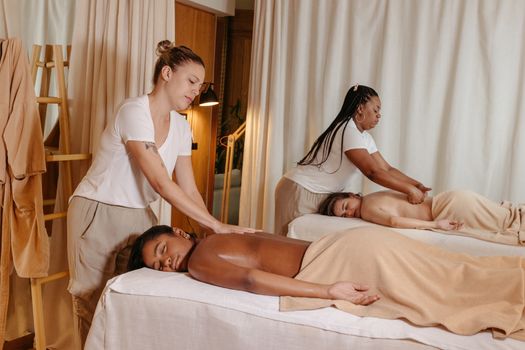
The relationship between physical therapy such as massage and mental health has increasingly come under the spotlight, revealing significant benefits. Massage therapy, a practice with ancient roots across various cultures, involves manipulating the body’s soft tissues to improve physical and mental well-being. This article delves into how massage affects mental health, backed by scientific studies, and offers tips on integrating massage into mental health strategies.
The Impact of Massage on Mental Health
.png)
- Stress Reduction:
Stress, a pervasive issue affecting millions globally, contributes to various mental health disorders. Massage therapy helps combat stress by reducing cortisol levels (the stress hormone) and boosting endorphins, the body’s natural mood elevators. This physiological change can lead to a noticeable improvement in overall mental state.
- Alleviating Anxiety and Depression:
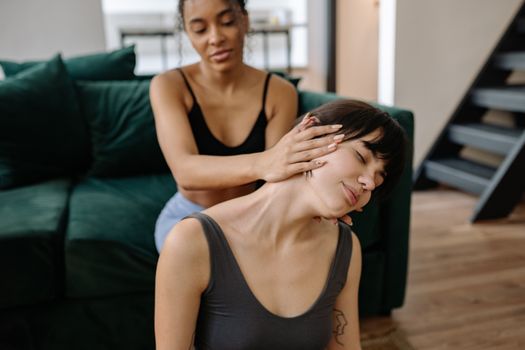
Massage has a calming effect due to the human touch involved, which can be particularly beneficial for those suffering from anxiety, making them feel more relaxed and less agitated. For individuals experiencing depression, massage can ease physical symptoms like muscle tension and fatigue, enhancing mood and providing relief.
Scientific Evidence Supporting Massage Benefits
Research underscores the effectiveness of massage in mental health care:
- A meta-analysis in the Journal of Clinical Psychiatry highlighted significant reductions in depressive symptoms following massage therapy.
- An International Journal of Neuroscience study observed changes in the brain’s beta waves of patients receiving massages, correlating with improved mental states and reduced anxiety.
Integrating Massage into Mental Health Care
While massage offers considerable benefits, it should complement, not replace, traditional mental health treatments such as psychotherapy or medication. Here’s how to integrate massage into mental health care effectively:
Choosing the Right Massage and Therapist:
- Opt for milder forms of massage like Swedish or aromatherapy if you are new to massage or dealing with sensitive mental health issues. Avoid intense forms like deep tissue massage unless specifically recommended.
- Ensure the massage therapist is qualified and experienced in handling clients with mental health concerns. A skilled therapist can customize the session to focus on specific needs like reducing anxiety or promoting relaxation.
Practical Tips for Incorporation:
- Regular sessions tailored to individual needs—whether weekly or monthly—can be highly beneficial.
- Combine massage with other wellness activities such as yoga or meditation for enhanced effects.
Conclusion
The link between massage and mental health is robust, offering a valuable tool for managing mental health conditions. By reducing stress, easing symptoms of anxiety and depression, and improving overall well-being, massage can significantly enhance quality of life. With the right approach and professional guidance, anyone can incorporate massage into their mental health regimen and experience the profound benefits it offers.