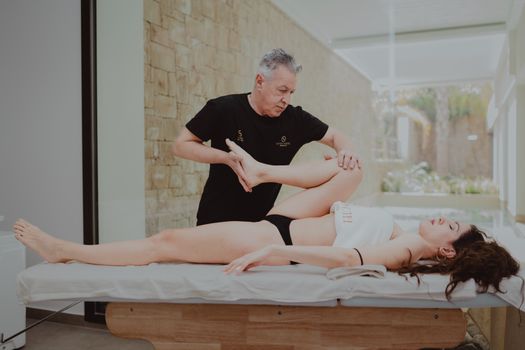
Choosing the right massage therapist can have a profound impact on your health, comfort, and overall wellness journey. With over 350,000 licensed massage therapists in the United States alone, according to the American Massage Therapy Association, finding the right professional can seem overwhelming. Whether you’re seeking relief from chronic pain, recovering from an injury, or simply looking to unwind, selecting the best therapist is crucial for achieving your wellness goals and ensuring a safe, effective experience. This guide will walk you through key factors to consider, highlight the importance of credentials, and help you make an informed decision tailored to your unique needs.
Understanding Your Massage Therapy Goals
Before you begin your search, it’s important to clarify your personal reasons for seeking massage therapy. Are you hoping to alleviate specific pain, reduce stress, enhance athletic performance, or manage a medical condition? Different therapists often specialize in areas such as sports massage, deep tissue, prenatal massage, or relaxation techniques. According to a 2023 survey by the National Center for Complementary and Integrative Health, 67% of clients chose massage therapists based on their specialty and treatment focus.
If you’re experiencing lower back pain, for instance, you might benefit from a therapist trained in neuromuscular or orthopedic massage. For those seeking relaxation, a Swedish massage specialist could be ideal. Individuals with chronic health conditions should look for therapists with experience in medical massage or those who work in clinical settings. By defining your goals, you’ll be better equipped to identify a therapist who aligns with your needs.
.png)
Evaluating Credentials and Professional Standards
Not all massage therapists possess the same level of training or adhere to the same professional standards. In the United States, massage therapy is regulated in 44 states and the District of Columbia, with each jurisdiction having unique licensing requirements. For example, the average state requires a minimum of 500 hours of training, and passing a national exam such as the Massage & Bodywork Licensing Examination (MBLEx).
When considering a therapist, verify the following:
- State licensure or certification (often displayed in the treatment space) - Membership in professional organizations like the American Massage Therapy Association (AMTA) or Associated Bodywork & Massage Professionals (ABMP) - Continuing education courses or specialty certifications in areas relevant to your needs - Proof of liability insuranceA study conducted in 2022 revealed that 89% of clients felt more confident booking with therapists who displayed credentials and certifications. Don’t hesitate to ask for documentation or clarification—reputable professionals will welcome your questions.
Assessing Techniques, Specializations, and Compatibility
Massage therapy is a diverse field, with practitioners offering a wide range of techniques and specialties. Some therapists focus on relaxation and stress reduction, while others are skilled in therapeutic modalities targeting injury recovery, chronic pain, or specific health conditions.
Common types of massage include:
- Swedish (gentle, relaxing) - Deep tissue (targets deep muscle layers) - Sports massage (for athletes and active individuals) - Trigger point therapy (addresses muscle knots) - Prenatal massage (for pregnant clients) - Lymphatic drainage (supports immune function)It’s essential to match the therapist’s expertise with your desired outcome. Ask about:
- Training in specific modalities - Experience with clients who have similar needs or conditions - Willingness to tailor sessions to your preferences or health concernsCompatibility also extends to communication and comfort. According to a 2021 client satisfaction survey, 76% of respondents rated clear communication and a sense of trust as top factors in their overall experience. Schedule a phone call or brief consultation to discuss your goals, share any medical concerns, and gauge the therapist’s approach. This initial interaction can help you assess whether you feel at ease and understood—a key aspect of a positive therapeutic relationship.
Comparing Massage Therapy Settings: Clinic, Spa, or Mobile?
Where your massage takes place can influence your comfort, safety, and convenience. Massage therapists work in a variety of settings, each with distinct advantages. The table below compares the most common environments:
| Setting | Pros | Cons | Best For |
|---|---|---|---|
| Clinic/Medical Office | Access to specialized care, coordination with healthcare providers, privacy | More clinical atmosphere, may be less relaxing | Injury recovery, chronic pain, medical conditions |
| Spa/Wellness Center | Relaxing ambiance, additional amenities (sauna, hot tubs), packages available | Less focus on therapeutic needs, may be pricier | Stress reduction, relaxation, pampering |
| Mobile/In-Home | Convenience, privacy, comfort of your own space | Limited equipment, less regulated environment | Busy schedules, clients with mobility issues, personalized experience |
Data from the 2022 U.S. Spa Industry Survey revealed that 41% of massage sessions now occur in spas, 33% in clinics, and 18% are provided via mobile services. Your ideal setting will depend on your priorities—whether it’s medical expertise, luxury, or home convenience.
Checking Reviews, Recommendations, and Reputation
In today’s digital age, online reviews and word-of-mouth recommendations are invaluable resources. According to a 2023 BrightLocal survey, 87% of people read online reviews for local health and wellness providers before booking. High ratings, detailed testimonials, and personal recommendations from friends or healthcare providers can offer insight into a therapist’s skill, professionalism, and bedside manner.
When browsing reviews, pay attention to:
- Consistency in positive feedback - Specific mentions of techniques and outcomes - Comments on professionalism, punctuality, and communicationBe wary of therapists with few or no reviews, or those with repeated negative feedback about hygiene, pressure, or boundaries. If possible, ask your primary care physician, physical therapist, or chiropractor for referrals—medical professionals can often recommend trusted massage therapists with experience in your area of concern.
Evaluating Safety, Hygiene, and Ethics
Your safety and well-being should always be a top priority when selecting a massage therapist. Professional therapists follow strict guidelines for cleanliness, draping, and client privacy. The COVID-19 pandemic has further heightened awareness of infection control, with 92% of therapists now adhering to enhanced sanitation protocols, according to the Federation of State Massage Therapy Boards.
Key safety and ethical standards include:
- Proper hand washing and sanitization of equipment between clients - Fresh linens and towels for every session - Clear draping procedures to protect your privacy and comfort - Respect for your boundaries and informed consent at every step - Transparent communication about pricing, session length, and policiesIf at any point you feel uncomfortable or pressured, you have the right to stop the session. Reputable therapists will always prioritize your consent and comfort.
Weighing Costs, Availability, and Insurance Options
Massage therapy prices can vary widely based on location, therapist experience, and session length. The national average is $70-90 per hour, but rates in metropolitan areas can exceed $120, while discounts may be available for packages or memberships. Some health insurance plans, workers’ compensation, or flexible spending accounts (FSAs) may cover medically necessary massage with a doctor’s referral—especially for chronic pain or injury rehabilitation.
Consider these cost-related questions:
- Do they offer sliding scale fees or packages? - Can you use insurance or FSA funds? - Are there cancellation fees or refund policies?Equally important is the therapist’s availability. If you require regular sessions for ongoing care, ensure their schedule aligns with yours. According to a 2023 National Health Interview Survey, 62% of clients cited appointment flexibility as a significant factor in therapist selection.
Conclusion
Selecting the right massage therapist is a personal decision that can significantly impact your health and quality of life. By clarifying your goals, evaluating credentials, considering technique and setting, checking reputation, and weighing practical factors like cost and safety, you can make an informed choice. Remember, the ideal therapist is one who listens, communicates well, and tailors their approach to your unique needs. Investing time in this selection process will help you build a positive, beneficial, and long-lasting therapeutic relationship.