Swedish and deep tissue massages are two of the most popular massage techniques, each offering unique benefits and catering to different needs. Understanding these differences can help you make the best choice for your health and wellness goals.
Swedish Massage: The Path to Relaxation
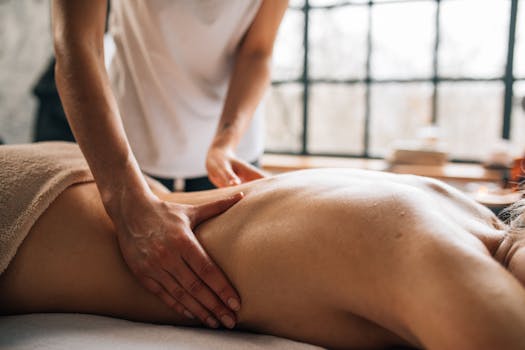
Swedish massage is renowned for its ability to promote full-body relaxation and enhance circulation. This technique employs a series of light to medium pressure strokes including effleurage (long, flowing strokes), petrissage (kneading), and tapotement (rhythmic tapping). The main goal of Swedish massage is to relax the entire body, making it an excellent choice for those who are:
.png)
- New to massage therapy.
- Looking to improve general relaxation and reduce stress.
- Sensitive to heavy pressures.
The gentle approach of Swedish massage not only eases muscle tension but also improves blood flow and lymph drainage, helping the body to naturally detoxify and heal.
Deep Tissue Massage: Intensive Therapeutic Relief
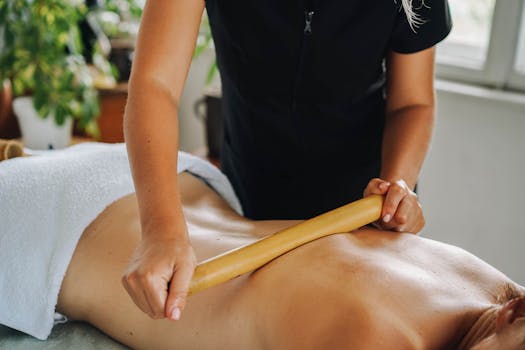
Deep tissue massage, in contrast, is targeted and intensive. It reaches deeper layers of muscles and fascia (the connective tissue surrounding muscles). Techniques used in deep tissue massage include slower strokes and deeper finger pressure than Swedish massage, focusing on areas of tension and pain such as a stiff neck, lower back pain, tightness in legs, or sore shoulders.
This method is particularly suited for individuals who:
- Suffer from chronic pain or muscular tension.
- Are involved in heavy physical activity and experience muscle fatigue.
- Have injuries resulting from sports or repetitive strain.
Deep tissue massage helps to break up scar tissue and physically break down muscle "knots" or adhesions (bands of painful, rigid tissue) which can disrupt circulation and cause pain, limited range of motion, and inflammation.
Making the Right Choice
When deciding between Swedish and deep tissue massage, consider your physical condition and what you hope to achieve from the session. If your primary goal is relaxation or you are particularly sensitive to pressure, a Swedish massage may be the perfect fit. However, if you are dealing with chronic pain or recovery from injury, deep tissue massage might be more effective.
Communicate with Your Therapist
Regardless of the type of massage you choose, effective communication with your massage therapist is crucial. Discuss your goals, pain threshold, and any specific areas of discomfort or tension. A skilled therapist can adjust their techniques and pressure to ensure a comfortable and beneficial experience.
Conclusion
Both Swedish and deep tissue massage offer pathways to healthier, more relaxed bodies, but they do so in different ways. By understanding the specifics of each massage type, you can better choose the one that aligns with your health needs and personal preferences. Always remember to consult with a licensed massage therapist to tailor the session to your specific needs and maximize the benefits of your massage experience.