Home massage is a fantastic way to alleviate stress, manage pain, and enhance overall well-being without the need to visit a professional. Whether you’re a busy parent, someone who works from home, or simply looking to save on spa costs, mastering the art of home massage can be a rewarding and healthful practice.
Preparing for Your Home Massage Session
Before you start, it’s crucial to set the right environment and gather the necessary tools which will enhance the experience and effectiveness of your massage:
.png)
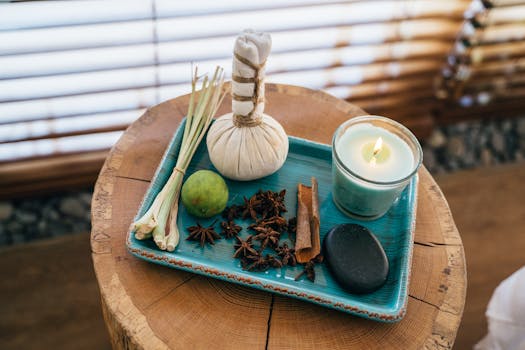
- Ambiance: Choose a quiet, warm room where you won't be disturbed. Consider soft lighting, perhaps candles or dimmable lamps, and play some tranquil, soft music.
- Tools: Have some essentials on hand such as massage oils or lotions, which can help reduce friction and nourish the skin. Tools like foam rollers or massage balls can also be useful for addressing deeper tissue needs.
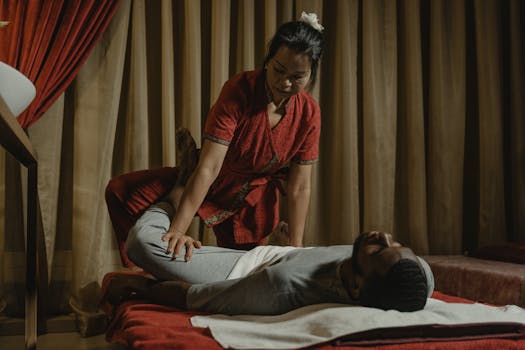
- Comfort: Use a firm, comfortable surface like a padded mat on the floor. A bed can also work, but may not offer the same level of firmness. Make sure towels or sheets are available not only for comfort but also for maintaining modesty and warmth.
Step-by-Step Massage Techniques
- Neck and Shoulders
- Warm-up: Begin with light touches and gentle strokes to warm the area.
- Technique: Place your hands on the shoulders with your thumbs on the upper back and fingers on the collar bone. Squeeze gently and release. Use your fingers to make circular motions along the neck and the base of the skull.
- Back
- Warm-up: Use smooth, gliding strokes (effleurage) from the lower back towards the upper back.
- Technique: Employ kneading movements (petrissage) across the muscles on either side of the spine. Avoid pressing directly on the spine. Incorporate the use of a tennis ball to press against tight spots gently.
- Legs and Feet
- Warm-up: Gently stroke from the ankles toward the upper legs to promote blood flow.
- Technique: Massaging the calves and thighs, use firmer, slower strokes with your palms. For the feet, focus on the arches, heels, and toes using circular thumb movements.
- Arms and Hands
- Warm-up: Lightly stroke from the wrists to the shoulders.
- Technique: Apply pressure with your thumbs on the palm and back of the hand. Gently pull and twist each finger. Massage the forearm using upward strokes.
Enhancing Your Massage Experience
- Pacing: Don’t rush through the movements. Slow, intentional strokes are more relaxing and effective in releasing tension.
- Pressure: Start gently, especially on areas where muscles are tender. Gradually increase pressure as tolerated, ensuring it is never painful.
- Duration: A full-body massage could last anywhere from 30 minutes to an hour. Shorter, more frequent sessions may also be beneficial, especially for specific areas of tension.
Safety Tips
- Avoid Risk Areas: Never massage directly over bruises, inflamed skin, unhealed wounds, or areas of recent fractures.
- Listen to Your Body: Stop immediately if you experience pain. Massage should be soothing and not cause discomfort.
- Consult Professionals: If you have chronic pain or a specific condition, consult a healthcare professional before beginning a new massage routine.
Conclusion
Regular home massages can significantly contribute to your physical and mental health. With practice, you can develop a routine that suits your specific needs, helping you to relax and rejuvenate in the sanctuary of your own home. Remember, the benefits of massage are cumulative, so consistency is key. Enjoy the journey of learning and adapting massage techniques that work best for you and revel in the increased sense of well-being that follows.