The Healing Power of Lymphatic Drainage Massage: Science, Benefits, and What to Expect
The human body is a marvel of interconnected systems working together to keep us healthy. At the heart of this intricate network is the lymphatic system—often overlooked, but essential for immune function, detoxification, and overall wellness. In recent years, lymphatic drainage massage has emerged as a powerful therapeutic technique designed to support and optimize this vital system. From reducing swelling and boosting immunity to enhancing post-surgical recovery, the healing power of lymphatic drainage massage is now recognized by both holistic practitioners and mainstream medicine.
But what exactly is lymphatic drainage massage, and why are so many people seeking it out? This article delves into the science behind this gentle therapy, its wide-ranging health benefits, and what you can expect before, during, and after a session.
Understanding the Lymphatic System: Your Body’s Internal Cleanser
The lymphatic system is a vast network of vessels, lymph nodes, and organs that plays a crucial role in maintaining fluid balance, filtering waste, and defending the body against infections. Unlike the circulatory system, which uses the heart to pump blood, the lymphatic system relies on muscle movement and manual stimulation to move lymph—a clear fluid containing white blood cells—throughout the body.
.png)
Some key facts about the lymphatic system:
- The human body contains between 600 and 700 lymph nodes. - Lymphatic vessels transport up to 2 liters of fluid daily. - The lymphatic system is responsible for removing approximately 90% of waste products from tissues.When the lymphatic system becomes sluggish or blocked—due to surgery, illness, sedentary lifestyle, or other factors—fluids can accumulate, leading to swelling (lymphedema), fatigue, and increased susceptibility to infections.
What Is Lymphatic Drainage Massage? Techniques and Origins
Lymphatic drainage massage is a specialized, gentle form of massage therapy developed in the 1930s by Danish physiotherapist Dr. Emil Vodder. The technique involves light, rhythmic movements designed to stimulate the flow of lymph and encourage the removal of toxins from the body’s tissues.
Unlike traditional massages that focus on deep muscle manipulation, lymphatic drainage massage works just beneath the skin. Practitioners use precise hand movements that mimic the natural direction and rhythm of lymph flow, often working in a sequence that follows the body’s lymphatic map.
There are several recognized techniques, including:
- Vodder Method: The original, widely practiced form, emphasizing circular, pumping movements. - Leduc Method: Focuses on reabsorbing and redirecting lymph fluid using soft, sweeping motions. - Foldi Technique: Combines manual lymph drainage with compression therapy for treating chronic lymphedema.Each method shares the same goal: to enhance lymphatic circulation and promote the efficient elimination of metabolic waste.
Top Health Benefits of Lymphatic Drainage Massage
The gentle yet powerful effects of lymphatic drainage massage have made it a sought-after therapy for a variety of health conditions. Here are some of the most well-researched and reported benefits:
1. $1 According to a 2015 study published in the Journal of Physical Therapy Science, manual lymphatic drainage significantly reduced limb circumference and improved quality of life in patients with lymphedema following breast cancer surgery. 2. $1 By stimulating lymph flow, this massage supports the body’s natural defense mechanisms. Lymph nodes filter bacteria and viruses, and increased circulation helps white blood cells travel more efficiently. 3. $1 Lymphatic massage promotes the removal of toxins and cellular waste, leading to clearer skin and reduced puffiness. It is commonly used post-cosmetic surgery to speed healing and minimize scar tissue. 4. $1 Many clients report decreased pain from conditions like fibromyalgia and chronic fatigue syndrome. The soothing nature of the massage also triggers the parasympathetic nervous system, reducing stress hormones and promoting relaxation. 5. $1 By reducing inflammation and stimulating the movement of lymph in the abdomen, lymphatic drainage can help ease digestive discomfort and bloating.Lymphatic Drainage Massage vs. Traditional Massage: Key Differences
While both lymphatic drainage and traditional massage aim to improve wellbeing, their approaches, techniques, and therapeutic outcomes differ significantly. The table below highlights some of the main distinctions:
| Aspect | Lymphatic Drainage Massage | Traditional Massage (e.g., Swedish) |
|---|---|---|
| Pressure Used | Very light, gentle strokes | Moderate to deep pressure |
| Primary Focus | Lymph flow, detoxification, swelling reduction | Muscle relaxation, tension relief |
| Typical Session Length | 30-60 minutes | 60-90 minutes |
| Best For | Lymphedema, post-surgery recovery, detox | Muscle knots, general relaxation, sports recovery |
| Contraindications | Acute infections, heart failure, kidney issues | Acute injuries, certain medical conditions |
Who Can Benefit from Lymphatic Drainage Massage?
Lymphatic drainage massage is widely recognized as a supportive therapy for various groups, including:
- $1 Especially those recovering from cosmetic or cancer surgeries, where swelling and fluid buildup are common side effects. For example, studies show that up to 20% of women who undergo breast cancer surgery develop lymphedema, and lymphatic massage can significantly improve recovery outcomes. - $1 Those with fibromyalgia, rheumatoid arthritis, or chronic fatigue syndrome often benefit from reduced inflammation and pain. - $1 Desk-bound workers and those who travel frequently may experience sluggish lymph flow, leading to puffiness and fatigue. - $1 To accelerate recovery, reduce muscle soreness, and minimize swelling after intense training or injuries. - $1 As part of a holistic wellness routine, lymphatic drainage can help boost the body’s natural detox processes.However, lymphatic drainage massage is not suitable for everyone. Contraindications include acute infections, uncontrolled heart failure, kidney disease, and some cancers. Always consult a healthcare provider before booking a session if you have serious health concerns.
What to Expect During a Lymphatic Drainage Massage Session
If you are considering lymphatic drainage massage for the first time, here’s what you can typically expect:
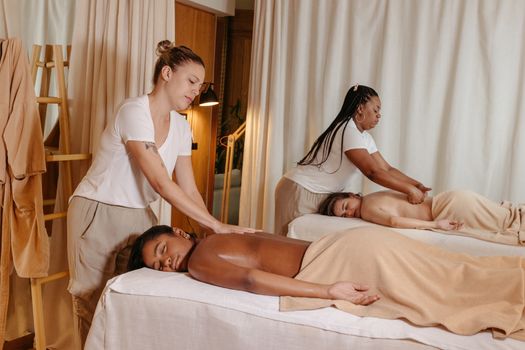
- $1 Your therapist will discuss your health history and goals, ensuring the treatment is safe and tailored to your needs. - $1 Sessions are usually performed with the client lying comfortably on a massage table, covered by a sheet. The therapist uses slow, rhythmic, and very light strokes, often starting at the neck and moving towards the core, following the natural lymph flow. - $1 Unlike many other forms of massage, oils are rarely used, as the technique is focused on moving superficial skin layers. - $1 Sessions typically last 30 to 60 minutes. - $1 Most people feel deeply relaxed, and some may notice increased urination, mild tiredness, or a sense of lightness as the body processes excess fluid.The Science Behind Lymphatic Drainage Massage: What Research Shows
Scientific interest in lymphatic drainage massage has grown considerably, with a number of clinical studies validating its benefits:
- A 2021 meta-analysis published in "Lymphology" reviewed 14 randomized controlled trials and found that lymphatic drainage massage significantly reduced swelling in patients with post-mastectomy lymphedema. - A 2018 study in "Complementary Therapies in Medicine" found that regular lymphatic massage improved immune markers and significantly decreased pain in people with fibromyalgia. - According to the Cleveland Clinic, lymphatic drainage can speed up post-surgical healing by up to 40% and reduce visible swelling by 50-60% in some cases.While more research is needed to fully understand all mechanisms, the current evidence strongly supports the use of lymphatic drainage massage as a complementary therapy for various health challenges.
Final Thoughts on the Healing Power of Lymphatic Drainage Massage
Lymphatic drainage massage offers a unique, gentle approach to health that taps into the body’s natural detoxification and healing systems. Whether you’re recovering from surgery, managing a chronic condition, or simply seeking a preventative wellness boost, this specialized massage can provide significant benefits that go far beyond relaxation.
As with any therapy, results can vary, and it’s important to seek qualified practitioners who are trained in the specific techniques involved. If you’re curious about whether lymphatic drainage massage is right for you, consult your healthcare provider and consider giving this time-tested, science-backed therapy a try.