Pregnancy is a transformative journey filled with anticipation and excitement, but it also brings unique physical and emotional challenges. As a mother-to-be, you may experience back pain, swollen joints, fatigue, and even sleeplessness as your body adapts to nurturing new life. While self-care becomes more important than ever, massage therapy stands out as a natural and effective way to relieve many of the discomforts associated with pregnancy. But not all massages are created equal—especially when it comes to prenatal care. In this article, we will explore the best massages for pregnant women, examine their benefits, compare techniques, and offer guidance to ensure both you and your baby enjoy a safe, soothing experience.
The Science Behind Prenatal Pain and Why Massage Helps
Pregnancy affects nearly every system in the body. As your uterus expands, hormones like relaxin loosen your joints, while your center of gravity shifts, often leading to lower back pain, hip discomfort, and leg cramps. According to the American Pregnancy Association, nearly 50-70% of pregnant women report experiencing lower back pain at some point.
Massage therapy offers more than just relaxation. Numerous studies have shown that prenatal massage can reduce anxiety, decrease symptoms of depression, relieve muscle aches, improve labor outcomes, and even enhance newborn health. A 2012 study published in the Journal of Psychosomatic Obstetrics & Gynecology found that women who received regular prenatal massages reported significantly less leg and back pain compared to those who did not.
.png) Here’s how massage helps:
- Increases blood and lymph circulation, reducing swelling (edema)
- Stimulates the release of serotonin and dopamine, improving mood and sleep
- Relieves tension in muscles and joints, especially in the lower back, hips, and legs
Here’s how massage helps:
- Increases blood and lymph circulation, reducing swelling (edema)
- Stimulates the release of serotonin and dopamine, improving mood and sleep
- Relieves tension in muscles and joints, especially in the lower back, hips, and legs
Understanding which massage techniques are safe and most effective during pregnancy is crucial for maximizing these benefits.
Top Massage Techniques for Pregnant Women
Not all massage techniques are suitable for expectant mothers. The best massages for pregnant women are designed to be gentle, supportive, and tailored to the unique needs of each trimester.
1. $1 Swedish massage is widely regarded as the safest and most beneficial technique during pregnancy. It uses long, gliding strokes, gentle kneading, and circular movements to promote relaxation and improve circulation. Unlike deep tissue massage, which can be too intense and risky during pregnancy, Swedish massage focuses on overall comfort and stress reduction. 2. $1 Prenatal massage refers to any massage specifically adapted for the pregnant body. Therapists use specialized cushions or side-lying positions to ensure comfort and prevent pressure on the abdomen. This type of massage incorporates elements of Swedish massage but also addresses common pregnancy issues like sciatic nerve pain, swelling, and tension in the hips and lower back. 3. $1 Reflexology involves applying gentle pressure to specific points on the feet, hands, or ears believed to correspond with different organs and systems in the body. Limited research suggests that targeted foot massage can help alleviate nausea, headaches, and even labor pain. However, certain reflex points are thought to stimulate uterine contractions, so always consult a certified reflexologist experienced with pregnancy. 4. $1 Swelling, particularly in the ankles and feet, is a common complaint during pregnancy. Manual lymphatic drainage (MLD) is a specialized technique that encourages the natural drainage of lymphatic fluid. This gentle, rhythmic massage can help reduce edema and promote overall well-being. According to a 2017 study in "Lymphology," MLD during pregnancy significantly reduced leg swelling in over 80% of participants.Comparing Popular Pregnancy Massage Techniques
To help you decide which massage is right for you, here is a comparison of the most popular techniques used during pregnancy:
| Massage Technique | Main Benefits | Safety | Best For |
|---|---|---|---|
| Swedish Massage | Reduces muscle tension, improves circulation, promotes relaxation | Very safe when performed by a certified prenatal therapist | General stress and tension relief |
| Prenatal Massage | Addresses pregnancy-specific aches, adapts to body changes | Extremely safe; uses pregnancy pillows and side-lying positions | Back pain, hip pain, sciatic nerve discomfort |
| Reflexology | May reduce nausea, headaches, and anxiety | Safe with trained professional; avoid certain pressure points | Morning sickness, mild pain, relaxation |
| Lymphatic Drainage | Reduces swelling, supports immune system | Safe when gentle, avoid deep pressure | Edema, leg/ankle swelling |
Safety First: What Pregnant Women Should Know Before Booking a Massage
Safety is paramount when it comes to prenatal massage. While massage offers numerous benefits, there are certain precautions every expectant mother should take:
- $1 Ensure your therapist has specialized training in prenatal massage. They should understand pregnancy anatomy, contraindications, and appropriate techniques. - $1 Most experts recommend waiting until after the first trimester, as the risk of miscarriage is higher in the first 12 weeks. That said, gentle massage is generally considered safe throughout pregnancy with your healthcare provider’s approval. - $1 Lying flat on your back can compress major blood vessels. Therapists typically use bolsters, pregnancy pillows, or recommend a side-lying position to maximize comfort and safety. - $1 Certain areas, such as the ankles and wrists, have pressure points thought to stimulate uterine contractions. A trained therapist will avoid these zones or use only very light touch. - $1 Women with high-risk pregnancies, preeclampsia, blood clots, or certain medical conditions should consult their doctor before receiving any massage.A 2021 survey by the National Certification Board for Therapeutic Massage & Bodywork (NCBTMB) found that over 90% of therapists who perform prenatal massage use customized positioning and pressure adjustments for safety.
Customizing Massage for Each Trimester
Every stage of pregnancy presents its own set of challenges, and the best massages for pregnant women adapt to these evolving needs.
- $1 Many women experience fatigue, nausea, and mood swings. While some prefer to wait until after this period for massage, gentle Swedish or reflexology can help ease early symptoms. Focus on relaxation and stress reduction. - $1 As your body grows, you may notice back, hip, and leg discomfort. Prenatal massage and lymphatic drainage can provide much-needed relief, improve circulation, and reduce swelling. - $1 Physical discomfort often peaks as you approach your due date. Targeted prenatal massage and gentle stretching can help alleviate lower back pain, sciatic tension, and edema. Therapists will use side-lying positions and extra support to keep you comfortable.It’s important to communicate openly with your massage therapist about any new symptoms, sensitivities, or medical advice from your healthcare provider.
Self-Massage and Partner Techniques for At-Home Relief
Professional massage isn’t always possible, especially as mobility decreases in later pregnancy. Fortunately, self-massage and partner-assisted techniques can provide similar benefits in the comfort of your own home.
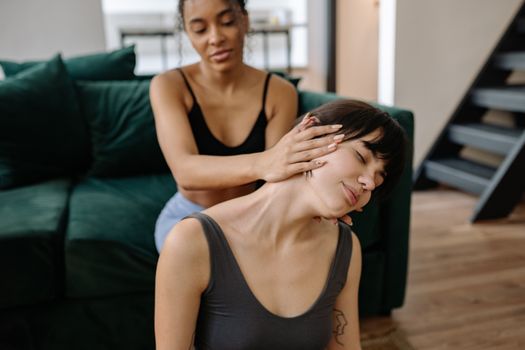
- $1 Gently knead the arches, heels, and balls of your feet to relieve tension and reduce swelling. Use a tennis ball for rolling under your feet if your partner isn’t available. - $1 Sit on a sturdy chair and have your partner use both hands to apply gentle, circular strokes along your lower back and hips. Warm massage oil can enhance relaxation. - $1 Use your fingertips to make small, circular motions on your own shoulders, neck, and upper back. Focus on any knots or areas of tension. - $1 Starting at your ankles, use long, upward strokes toward your knees and thighs to boost circulation and ease heaviness.Always use light to moderate pressure and stop immediately if you feel discomfort, dizziness, or pain.
Final Thoughts on Choosing the Best Massage for Pregnant Women
Massage therapy is more than a luxury for pregnant women—it’s a valuable tool for managing pain, reducing stress, and enhancing overall well-being during a life-changing journey. By understanding the safest and most effective massage techniques, customizing them for each trimester, and following safety guidelines, you can enjoy the benefits of touch therapy while protecting both your health and your baby’s.
Whether you opt for a professional prenatal massage, experiment with gentle self-massage at home, or share relaxing moments with your partner, the key is to listen to your body and seek support from qualified professionals. With the right approach, massage can transform your pregnancy experience, offering comfort, connection, and relief every step of the way.