.png)
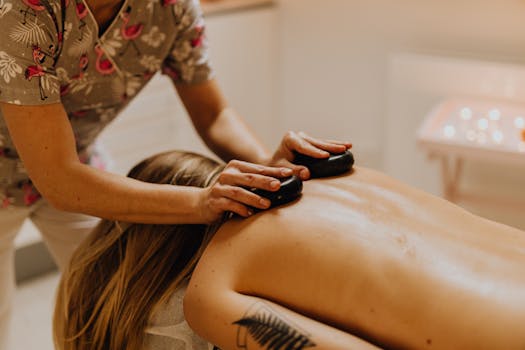
Massage and its Impact on Post-Workout Recovery
Every fitness enthusiast knows that what happens after a workout is just as important as the exercise itself. Whether you’re a professional athlete, a weekend warrior, or just starting your fitness journey, recovery is key to progress. Among the many recovery methods available, massage therapy stands out for its ability to not only soothe tired muscles but also to accelerate healing and enhance athletic performance. But how exactly does massage impact post-workout recovery? This article explores the science, benefits, and practical applications of massage therapy as a powerful recovery tool.
The Science Behind Post-Workout Recovery
When you push your body during exercise, you create microscopic tears in your muscle fibers. This process is normal and necessary for muscle growth and strength gains. However, it also leads to muscle soreness, inflammation, and temporary loss of performance. The body’s natural recovery response involves increased blood flow, removal of metabolic waste (like lactic acid), and the repair of damaged tissues.
Delayed Onset Muscle Soreness (DOMS) often sets in 12-24 hours after intense activity and can last up to 72 hours. Studies show that unmanaged muscle soreness and inflammation can reduce the frequency and quality of training sessions, potentially hindering progress. According to the American College of Sports Medicine, proper recovery protocols can decrease muscle soreness by up to 30% and reduce injury risk by as much as 25%.
Massage therapy aims to optimize these recovery processes by influencing physiological and psychological factors, offering a holistic approach to post-exercise care.
How Massage Speeds Up Muscle Recovery
Massage therapy is more than a luxury; it’s backed by science as a practical recovery tool. Here’s how massage accelerates post-workout recovery:
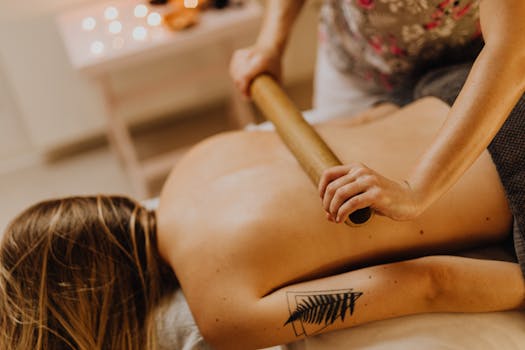
1. $1 When muscles are manipulated during a massage, blood vessels are dilated. This increases circulation, bringing more oxygen and nutrients to tired muscles and helping remove waste products like lactic acid and creatine kinase. A 2014 study published in Science Translational Medicine found that massage increased mitochondrial biogenesis — the production of new energy-producing mitochondria — by 30% in massaged muscles compared to those left to recover passively. 2. $1 Massage has been shown to decrease the production of cytokines, which are compounds involved in inflammation. By controlling inflammation, massage helps muscles heal faster and reduces the risk of overuse injuries. 3. $1 A systematic review from the Journal of Athletic Training (2017) concluded that post-exercise massage can reduce perceived muscle soreness by up to 40%, particularly when administered within two hours after exercise. 4. $1 Massage stimulates the lymphatic system, helping to remove cellular waste. This is crucial because efficient waste removal speeds up recovery and reduces the risk of swelling and stiffness. 5. $1 Physical recovery is closely linked to mental well-being. Massage reduces cortisol (the stress hormone) and boosts endorphins, helping athletes recover not just physically but mentally as well.Types of Massage for Post-Workout Recovery
Not all massages are created equal. Different techniques offer unique benefits for post-workout recovery. Here’s a breakdown of the most effective types:
| Type of Massage | Key Techniques | Main Benefits | Best For |
|---|---|---|---|
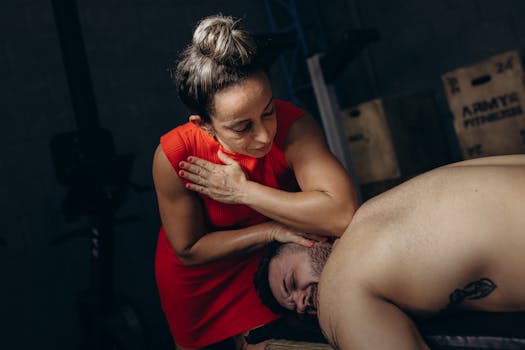
| Sports Massage | Deep tissue, stretching, trigger point therapy | Reduces muscle tension, increases flexibility, prevents injuries | Active athletes, high-intensity workouts |
| Swedish Massage | Long strokes, kneading, circular movements | Promotes relaxation, improves circulation, mild soreness relief | General recovery, beginners |
| Deep Tissue Massage | Firm pressure, slow strokes targeting deeper layers | Breaks down adhesions, relieves severe tension, speeds up healing | Chronic tightness, muscle knots |
| Myofascial Release | Sustained pressure, stretching fascia | Improves mobility, releases restrictions in connective tissue | Flexibility, postural issues |
| Active Release Technique (ART) | Manual manipulation, movement of muscle during treatment | Breaks down scar tissue, restores normal movement | Repetitive strain injuries, athletes in training |
Each type of massage can be tailored to individual needs. For example, a runner preparing for a marathon may benefit from sports massage, while someone recovering from heavy lifting might prefer deep tissue work.
Evidence-Based Benefits of Massage After Exercise
The benefits of post-workout massage are supported by a growing body of research. Here are some of the most compelling findings:
- $1 A 2015 study in the Journal of Strength and Conditioning Research found that athletes who received a 30-minute massage after eccentric exercise experienced a 20% faster return to baseline strength compared to those who did not receive massage. - $1 Blood tests from participants in massage studies consistently show lower levels of creatine kinase and lactate dehydrogenase, both indicators of muscle damage, within 24 hours post-massage. - $1 Massage therapy can increase flexibility by 10-15%, especially when combined with stretching. This is particularly beneficial for athletes who need to maintain or improve mobility. - $1 According to the National Institutes of Health, regular massage can reduce the risk of soft tissue injuries by up to 25% by keeping muscles supple and less prone to strains. - $1 Athletes who receive regular massage report better sleep quality and lower levels of anxiety, both of which are crucial for optimal recovery and performance.Practical Tips: When and How to Use Massage for Recovery
While the science is clear, the practical application of massage for post-workout recovery requires some strategic planning. Here’s how to get the most benefit:
1. $1 For maximum benefit, a massage should be given within 2 hours of completing intense exercise. This is when blood flow and inflammation are at their peak and muscles are most responsive. 2. $1 For regular exercisers and athletes, 1-2 massages per week can provide ongoing benefits. For occasional exercisers, a massage after particularly intense sessions can help speed up recovery. 3. $1 A 30-60 minute session is typically sufficient for full-body recovery. Shorter, targeted massages (10-15 minutes) can also be effective for specific muscle groups. 4. $1 Foam rollers, massage sticks, and massage guns are convenient self-care tools. A 2020 study found that using a foam roller for 20 minutes post-exercise reduced muscle soreness by 30% compared to passive recovery. 5. $1 Massage increases circulation, so drinking plenty of water before and after can help flush out toxins. Pairing massage with a balanced post-workout meal ensures muscles have the nutrients they need to rebuild. 6. $1 Let your massage therapist know about your workout routine, areas of soreness, and any injuries. This enables them to tailor the session to your specific needs.Comparing Massage to Other Recovery Methods
Massage therapy is just one of several popular recovery strategies. How does it stack up against other methods like stretching, ice baths, or compression garments? Here’s a comparative overview:
| Recovery Method | Main Benefits | Scientific Support | Best For |
|---|---|---|---|
| Massage | Reduces soreness, increases circulation, improves flexibility | Strong (multiple clinical studies) | General recovery, injury prevention, stress relief |
| Stretching | Improves flexibility, reduces stiffness | Moderate (helpful but less impact on soreness) | Maintaining range of motion |
| Ice Baths (Cryotherapy) | Reduces inflammation, numbs soreness | Mixed (short-term effect, controversial for long-term recovery) | Acute inflammation, high-intensity events |
| Compression Garments | Reduces swelling, may enhance recovery | Moderate (some evidence for reduced soreness) | Endurance sports, travel recovery |
| Active Recovery (light exercise) | Increases blood flow, maintains mobility | Strong (widely recommended) | Everyday athletes, between workouts |
Massage stands out for its ability to combine physiological, psychological, and performance benefits, making it a comprehensive recovery strategy.
Conclusion: Is Massage the Missing Piece in Your Recovery Routine?
Post-workout recovery is a complex process, influenced by nutrition, sleep, hydration, and active rest. However, massage therapy offers a uniquely effective way to speed up healing, reduce soreness, and improve both physical and mental well-being. Whether you’re an elite athlete or simply want to maximize your fitness gains, incorporating massage into your recovery routine could be the missing piece to achieving your goals. With plenty of scientific backing and practical benefits, massage stands as one of the best investments you can make for your post-exercise health.