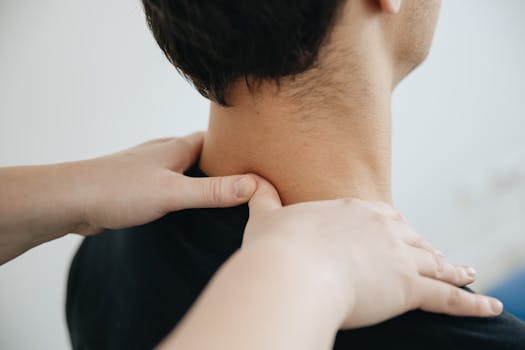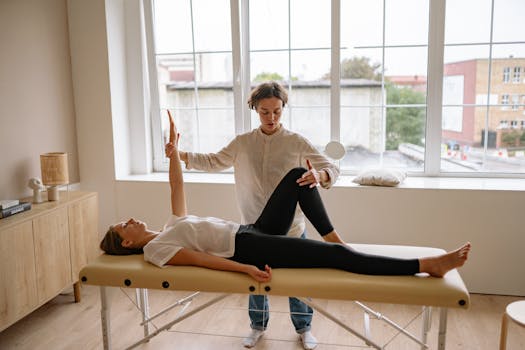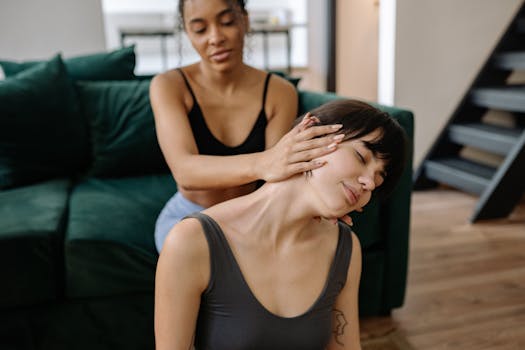
When managing stress, it is essential to explore various relaxation techniques, and massage therapy stands out as a particularly effective option. Offering not just physical relaxation but also significant health benefits, massage therapy can play a pivotal role in your stress management strategy. Here are some of the best massage options to consider for stress relief.
Swedish Massage
Swedish massage is ideal for beginners and those who want gentle relaxation. It involves long, flowing strokes, kneading, and circular movements on superficial layers of muscle using massage oil or lotion. This technique not only relaxes the muscle tissue but also improves blood circulation and soothes the nervous system, thereby reducing stress and enhancing mood.
.png)
Deep Tissue Massage
For those suffering from chronic stress that manifests in physical discomfort or muscle knots, deep tissue massage may be beneficial. This technique uses slower strokes and more direct deep pressure or friction applied across the grain of the muscles not just on the surface but targeting the deeper layers of muscle and connective tissue. It can help break up scar tissue and reduce tension in muscle and tissue.
Hot Stone Massage
Hot stone massage is particularly effective for deep relaxation. Therapists use heated stones to apply pressure and heat to the body, which warms and relaxes the muscles. This allows the therapist to address more specific areas of muscle tension and pain with less force, making it a great option for those who prefer a lighter touch but need deeper muscle relief.
Aromatherapy Massage
Incorporating essential oils into a massage session can enhance the stress-relieving effects of the treatment. Aromatherapy massage uses oils with various therapeutic properties such as calming, energizing, stress-reducing, or mood-enhancing. The scent of essential oils such as lavender, chamomile, and sandalwood can directly affect the part of the brain responsible for alleviating stress and regulating mood.
Shiatsu Massage
Shiatsu, a form of Japanese bodywork, emphasizes the rhythmic pressure on acupuncture points throughout the body. It helps improve the flow of energy and assists in balancing the body's energy pathways. This form of massage is typically performed on a mat on the floor, with clients remaining fully clothed, making it a unique alternative to traditional massage techniques.
Reflexology
Reflexology focuses on relieving stress by stimulating precise points on the feet, hands, and ears. These points correspond to different body organs and systems, and targeted pressure on these areas offers remarkable health benefits and stress relief. Reflexology can be a good option for those who are less comfortable with full-body massages.
Choosing the Right Massage
Selecting the right type of massage should be based on your specific needs and comfort level. If you are new to massage, starting with a Swedish massage might be beneficial to see how your body responds to touch and pressure. For more intense stress and physical pain, consider deep tissue or hot stone massage. If you are dealing with emotional or mental stress, aromatherapy or Shiatsu might offer the combined physical and emotional relief you need.
Consulting with a professional massage therapist can provide insights into which massage style will best suit your stress-related needs. Regular massage sessions can significantly reduce stress levels and improve your overall quality of life. Engage in a conversation with a therapist about your specific symptoms and preferences to tailor a massage session that best addresses your stress and enhances your well-being. Consider making massage therapy a regular part of your wellness routine to experience ongoing benefits and improved health.