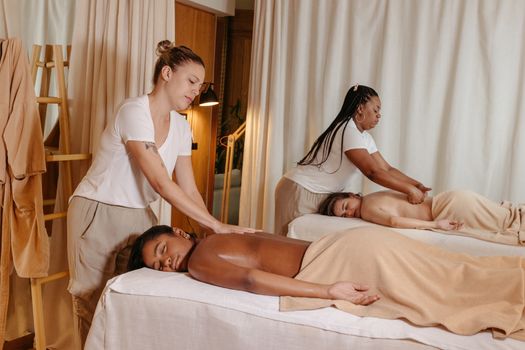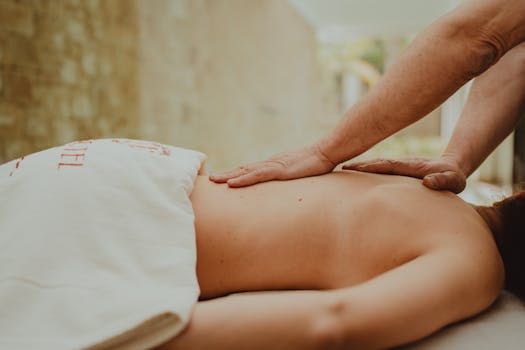
Life in the 21st century is often synonymous with stress, digital overwhelm, and physical tension. While many of us power through tight deadlines and endless to-do lists, our bodies and minds may be sending subtle—or not-so-subtle—signals that it’s time to slow down and reset. One of the most effective ways to restore balance and wellbeing is through massage therapy. Yet, many people ignore the signs until discomfort becomes unbearable. Recognizing when you need a massage can make a significant difference in your health, productivity, and overall happiness. Here are five signs you shouldn’t ignore—your body may be telling you it’s time for a massage.
1. Persistent Muscle Tension and Pain
Muscle tension and pain are among the most common reasons people seek massage therapy. According to the American Massage Therapy Association (AMTA), over 50 million Americans received at least one massage in 2022, with muscle soreness and stiffness cited as a leading cause.
Muscle tension can develop from repetitive work tasks, poor posture, athletic activities, or even emotional stress. If you notice that your muscles are tight, sore, or painful—especially in the neck, shoulders, back, or legs—it's a clear sign you could benefit from a massage. Chronic tension can lead to trigger points, which are small knots that can cause pain in other areas of the body, a phenomenon known as referred pain.
.png)
Massage therapists are trained to identify and treat these knots, improving blood flow and releasing built-up tension. In fact, studies have shown that regular massage can reduce muscle soreness by up to 30% and increase flexibility by 20%. Ignoring persistent pain can lead to further complications, including decreased mobility and even injury.
2. Increased Stress, Anxiety, or Trouble Relaxing
Mental and emotional stress can manifest physically in countless ways—tight shoulders, headaches, shallow breathing, and even digestive issues. The National Institute of Mental Health reports that nearly one in five adults in the United States experiences an anxiety disorder each year. While massage is not a cure for anxiety or chronic stress, it is a well-documented complementary therapy.
If you find yourself often feeling anxious, overwhelmed, or unable to relax, your nervous system may be in a constant state of fight-or-flight. Massage therapy activates the parasympathetic nervous system, which helps the body "rest and digest." This shift lowers heart rate, reduces cortisol (the stress hormone) by as much as 31%, and increases serotonin and dopamine—chemicals that help you feel calm and happy.
A single massage session can lead to an immediate sense of relaxation, but regular sessions have been shown to improve overall mood and stress resilience. If stress is keeping you up at night or affecting your daily life, it’s time to schedule a massage.
3. Frequent Headaches or Migraines
Tension headaches and migraines are debilitating conditions that affect millions of people. According to the Migraine Research Foundation, migraines impact more than 39 million men, women, and children in the U.S. alone. While there are many potential triggers, muscle tension in the neck, shoulders, and scalp is a common culprit.
If you experience headaches several times a month or notice a tight band of pain around your head, massage therapy could provide relief. Techniques such as Swedish massage and trigger point therapy are especially effective for reducing the intensity and frequency of headaches. By improving blood circulation and relaxing tight muscles, massage helps decrease the severity of symptoms and can even reduce reliance on pain medications.
To better understand how massage compares to other headache relief methods, consider the following table:
| Relief Method | Effectiveness | Potential Side Effects | Average Cost (per session/month) |
|---|---|---|---|
| Massage Therapy | Reduces headache frequency by up to 50% (source: Clinical Journal of Pain) | Minimal (occasional soreness) | $70-$120 per session |
| Over-the-Counter Medication | Quick symptom relief, not preventive | GI upset, overuse headaches | $10-$25 per month |
| Prescription Medication | Effective for chronic migraines | Drowsiness, nausea, dependency | $50-$200 per month (with insurance) |
| Physical Therapy | Addresses posture and muscle imbalances | Possible discomfort, time commitment | $100-$200 per session |
As shown, massage therapy offers a natural, side-effect-minimal alternative that can be integrated with other approaches.
4. Poor Sleep Quality or Insomnia
Sleep issues are rampant in modern society. The Centers for Disease Control and Prevention (CDC) reports that about 35% of American adults get less than the recommended seven hours of sleep per night. Poor sleep quality can lead to fatigue, irritability, impaired memory, and a weakened immune system.
If you struggle to fall asleep, wake up frequently, or never feel rested, your body may be crying out for help. Massage therapy has been proven to improve sleep patterns by promoting relaxation, reducing pain, and lowering stress hormones. One study published in the Journal of Clinical Rheumatology found that individuals with insomnia experienced a 60% improvement in sleep quality after just four weeks of regular massage therapy.
Massage also increases the production of melatonin, the hormone responsible for regulating sleep-wake cycles. If counting sheep isn’t working, a massage could be the gentle nudge your body needs to embrace restorative rest.
5. Reduced Range of Motion or Flexibility
Do you find it harder to bend, stretch, or reach than you used to? Reduced range of motion and joint stiffness are common complaints, especially among those with sedentary jobs or aging bodies. These issues can be caused by tight muscles, connective tissue restrictions, or even scar tissue from old injuries.
Massage therapy, particularly techniques such as deep tissue or sports massage, can help break up adhesions, lengthen muscles, and improve joint mobility. According to a 2020 study in the International Journal of Therapeutic Massage & Bodywork, participants who received weekly massages for six weeks improved their range of motion by an average of 18%.
If simple activities like tying your shoes or reaching overhead have become difficult, regular massage may help restore your flexibility and prevent further limitations.
Other Signs You Shouldn’t Ignore
While the five signs listed above are among the most common, other indicators that you may need a massage include:
- Chronic fatigue or low energy - Poor posture or frequent slouching - Recovery from injury or surgery (with your doctor’s approval) - Digestive issues related to stress - Decreased athletic performance or longer recovery timesListening to your body is the first step in proactive self-care. Regular massage can be a powerful tool for both prevention and recovery, offering benefits that extend far beyond relaxation.
Choosing the Right Massage and Frequency
Not all massages are created equal. The type and frequency of massage you need will depend on your symptoms, lifestyle, and personal preferences. Here’s a quick overview of popular massage types and their typical benefits:
| Massage Type | Best For | Frequency Recommendation |
|---|---|---|
| Swedish Massage | General relaxation, stress reduction | Every 2-4 weeks |
| Deep Tissue Massage | Chronic pain, muscle knots, limited mobility | Every 2-4 weeks |
| Sports Massage | Athletes, injury prevention, recovery | Weekly to monthly, based on activity level |
| Trigger Point Therapy | Specific pain points, tension headaches | As needed, usually every 3-6 weeks |
| Reflexology | Stress, energy balance, mild pain | Every 4 weeks |
It’s a good idea to consult with a licensed massage therapist to determine the best approach for your unique needs. They can help you create a personalized plan that addresses your symptoms and fits your lifestyle.
Final Thoughts on Recognizing When You Need a Massage
Your body is an incredible machine, but even the best machines need regular maintenance. Persistent muscle pain, high stress, frequent headaches, poor sleep, and reduced flexibility are all signs that your body is asking for help. Massage therapy is much more than a luxury—it’s an evidence-backed way to support your physical and mental health.
Regular massages can reduce pain, improve sleep, boost mood, and keep you moving with ease. By listening to your body and responding to its signals, you’re investing in your wellbeing for years to come.