Reflexology: Massage for Your Hands and Feet — Unlocking Healing Through Touch
The art of touch is as ancient as humanity itself, but reflexology stands out as a uniquely systematic approach to wellness. This therapeutic technique focuses on the hands and feet, using targeted pressure to stimulate specific points that correspond to organs and systems throughout the body. Though sometimes mistaken for a simple foot or hand massage, reflexology is a holistic practice rooted in centuries-old traditions and now supported by modern research. In this article, we will explore what reflexology is, how it works, its documented benefits, and how it compares to other massage modalities. Whether you’re curious about alternative therapies or seeking a new method for stress relief and health support, discover how reflexology could become a vital part of your wellness routine.
The Foundations of Reflexology: More Than Just a Massage
Reflexology is based on the concept that specific areas on the hands and feet—known as reflex zones—are energetically connected to other parts of the body. When pressure is applied to these zones, practitioners believe it helps to clear blockages, stimulate nerve function, and promote healing in corresponding organs or systems. This approach differs from standard massage, which primarily targets muscles and soft tissues for relaxation and pain relief.
The origins of reflexology can be traced to ancient civilizations. Historical evidence shows that similar practices were used in Egypt as far back as 2330 BCE, as depicted in wall paintings in the tomb of Ankhmahor. Traditional Chinese medicine has also long recognized the feet as a microcosm of the body, with meridian points mapped throughout.
.png)
Modern reflexology as we know it was developed in the early 20th century by Dr. William H. Fitzgerald, who introduced "zone therapy." His work was later advanced by physiotherapist Eunice Ingham, who mapped the entire body onto the feet and hands, laying the foundation for contemporary reflexology charts used today.
How Reflexology Works: The Science and Theories Behind It
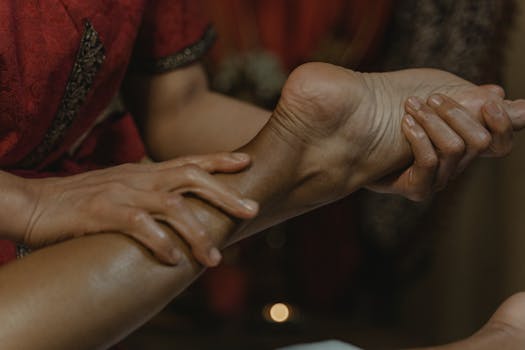
The practice of reflexology relies on applying firm, targeted pressure to specific points using fingers, thumbs, or specialized tools. Each point is believed to correspond to a different organ, gland, or body part. For example, pressing the tip of the big toe is thought to influence the brain and head, while the heel relates to the lower back and intestines.
There are several theories explaining why reflexology may be effective:
1. $1 Pressure on reflex points sends signals through the nervous system, triggering the release of endorphins and promoting relaxation. 2. $1 Drawing from Eastern traditions, reflexology is thought to balance the body’s vital energy (Qi or Chi), removing blockages that cause discomfort or disease. 3. $1 Some studies suggest reflexology enhances blood flow, which may aid in the removal of toxins and delivery of nutrients.A 2020 study published in the journal Complementary Therapies in Clinical Practice found that reflexology significantly reduced anxiety and improved sleep quality in 68% of participants. Another 2015 meta-analysis covering over 1,000 patients showed reflexology helped alleviate pain—especially in cases of chronic conditions such as arthritis.
Hand vs. Foot Reflexology: Are There Differences?
Both hand and foot reflexology use similar principles, but each has distinct applications and benefits. While foot reflexology is more widely practiced and believed to offer a deeper connection to the body’s organs, hand reflexology provides an accessible alternative, especially for individuals with foot injuries or sensitivities.
Here is a comparative overview of the two approaches:
| Aspect | Hand Reflexology | Foot Reflexology |
|---|---|---|
| Accessibility | Can be performed anywhere, less need to remove shoes/socks | Requires access to bare feet, typically done in clinics |
| Depth of Pressure | Lighter pressure, suitable for sensitive individuals | Allows for deeper pressure, potentially stronger effects |
| Common Uses | Stress relief, headache relief, immediate relaxation | Chronic pain, digestive issues, hormonal balance |
| Popularity | Growing in popularity, but less common than foot reflexology | Most popular form globally |
| Best For | On-the-go relief, people with foot conditions | Comprehensive treatment and deeper relaxation |
Research supports the efficacy of both forms. For example, a 2017 study in the Journal of Traditional and Complementary Medicine found that hand reflexology reduced anxiety and improved quality of life in breast cancer patients undergoing chemotherapy.
Health Benefits of Reflexology: What Does the Evidence Say?
Reflexology is often sought out for relaxation, but its potential benefits extend much further. Here are some of the most well-documented advantages:
1. $1 Numerous studies, including a 2019 review by the International Journal of Nursing Studies, show that reflexology can lower cortisol levels and promote a state of calm. 2. $1 Reflexology has been shown to decrease pain in patients with chronic conditions. A large-scale 2015 review found significant pain relief in 27 out of 30 clinical trials. 3. $1 Some small studies suggest reflexology sessions can increase blood flow to the feet and vital organs, which may support healing. 4. $1 In a randomized controlled trial of 97 elderly participants, 82% reported sleeping better after weekly foot reflexology sessions over a two-month period. 5. $1 Reflexology is frequently used as a complementary therapy for conditions such as fibromyalgia, migraines, and irritable bowel syndrome (IBS).It’s important to note that while reflexology is generally safe, it should not replace conventional medical care for serious health issues. However, as part of a holistic wellness plan, it can provide meaningful support for physical and emotional well-being.
What to Expect During a Reflexology Session
If you’re considering your first reflexology session, knowing what to expect can help you feel more comfortable and get the most out of the experience. Here’s a typical outline:
- $1 The practitioner will discuss your health history and any specific concerns. This helps tailor the session to your needs. - $1 You’ll be seated in a reclining chair or lying on a massage table. Unlike a full-body massage, you remain fully clothed except for removing shoes and socks (for foot reflexology). - $1 The practitioner will use their hands, fingers, and thumbs to apply alternating pressure to precise points on your feet or hands, following a reflexology chart. - $1 Most people find reflexology deeply relaxing, though some spots may feel tender. This sensitivity is thought to indicate areas of imbalance. - $1 Sessions typically last 30 to 60 minutes. While some notice immediate effects, a series of treatments may be recommended for chronic issues.After your session, you might feel relaxed, energized, or even notice improved symptoms in the hours or days that follow.
Can You Try Reflexology at Home?
While seeing a certified reflexologist is ideal for complex conditions or deep relaxation, simple reflexology techniques can also be self-administered at home. Here are some tips for getting started:
1. $1 Many charts are available online, illustrating which points on the hands and feet correspond to specific organs. 2. $1 You can use your thumbs and fingers, or invest in a small reflexology stick or massage ball for firmer pressure. 3. $1 Begin with gentle, circular motions on the tips of your fingers or toes, gradually increasing pressure as you become more comfortable. 4. $1 For example, gently pressing under the ball of the foot (the “solar plexus” point) can help calm nerves, while massaging the pad below the big toe may relieve headaches. 5. $1 Even a few minutes daily can be beneficial. Studies show that regular practice over several weeks leads to better results.If you experience pain, discomfort, or are managing serious health conditions, it’s wise to consult a professional before starting self-treatment.
The Growing Popularity and Acceptance of Reflexology
The demand for reflexology continues to rise, both as a wellness trend and as a recognized complementary therapy. According to the American Reflexology Certification Board, there are over 10,000 certified reflexologists practicing in the United States as of 2023. Globally, reflexology is offered in hospitals, cancer support centers, and wellness clinics.
A 2022 survey by the National Center for Complementary and Integrative Health revealed that 19% of Americans had tried some form of alternative therapy in the past year, with reflexology ranking among the top five most popular modalities. This trend is likely to continue as more people seek natural, non-invasive ways to manage stress, pain, and chronic health conditions.
Despite its growing popularity, reflexology is best used as a complement to—not a replacement for—conventional medical care. When integrated into a holistic approach, it offers a gentle, effective means to support the body’s own healing capacity.
Reflexology: A Gentle Path to Whole-Body Wellness
Reflexology offers far more than a relaxing foot or hand massage. Rooted in ancient wisdom and supported by modern research, this therapy taps into the body’s natural healing systems through targeted touch. Whether you seek relief from chronic pain, want to alleviate stress, or simply enjoy a moment of deep relaxation, reflexology provides an accessible and increasingly evidence-backed option. By understanding its principles, benefits, and practical applications, you can make an informed choice about incorporating reflexology into your self-care or wellness regimen.