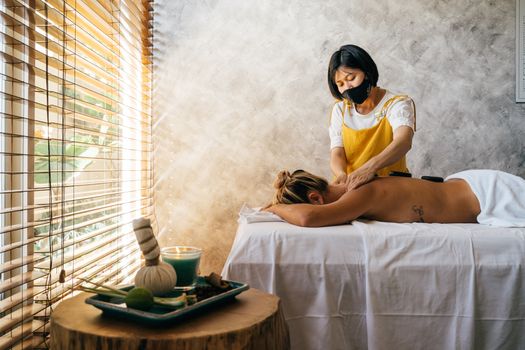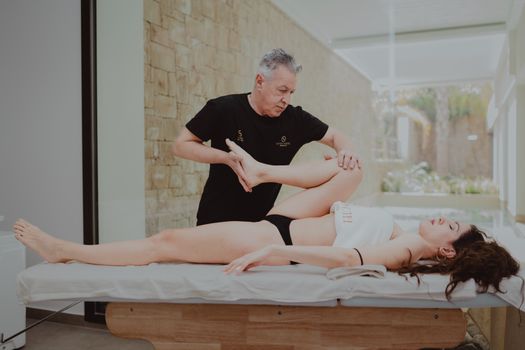
Massage therapy has long been celebrated across cultures for its ability to soothe sore muscles and promote relaxation. But in today’s fast-paced, stress-filled world, its value extends far beyond momentary comfort. Modern research continues to reveal the remarkable and wide-ranging health and wellness benefits of massage therapy, from boosting mental clarity to supporting chronic condition management. Whether you’re a devoted spa-goer or just curious about its broader impact, understanding how massage can enhance your well-being is more relevant than ever.
The Science Behind Massage Therapy: How Touch Heals
Massage therapy involves the systematic manipulation of soft tissues—muscles, tendons, ligaments, and skin—using varying degrees of pressure and movement. But what is happening beneath the surface that makes massage so effective?
Scientific studies have demonstrated that massage stimulates the body’s parasympathetic nervous system, often called the “rest and digest” system. This activation reduces levels of the stress hormone cortisol, while increasing the production of serotonin and dopamine—neurotransmitters associated with feelings of happiness and well-being.
.png)
A landmark study published in the International Journal of Neuroscience (2005) revealed that participants receiving regular massage therapy showed a 31% decrease in cortisol and a 28% increase in serotonin. This physiological shift not only encourages relaxation but also has a ripple effect throughout the body, supporting immune function, pain perception, and emotional resilience.
Chronic Pain Relief: Easing More Than Muscle Tension
While many people seek massage for acute aches, its benefits for chronic pain are substantial and well-documented. According to the American Massage Therapy Association, approximately 50 million U.S. adults live with chronic pain, and up to 89% of people with chronic low back pain report some relief after massage therapy.
Regular sessions can help alleviate symptoms of conditions such as:
- Fibromyalgia: A 2014 meta-analysis found that massage therapy significantly reduced pain, anxiety, and depression in fibromyalgia patients. - Arthritis: Clinical trials have shown that massage can improve grip strength and range of motion in individuals with osteoarthritis of the knee and hand. - Tension Headaches: By relaxing tight muscles in the neck and shoulders, massage can decrease the frequency and intensity of tension headaches.Unlike medication, which often targets symptoms, massage addresses both the physical and emotional components of pain, making it a valuable component of integrative healthcare plans.
Mental Health and Emotional Wellness: Massage as Mind-Body Medicine
Massage therapy is not just a physical intervention; it’s a powerful tool for supporting mental health and emotional wellness. In the era of rising anxiety, depression, and burnout, its role is more vital than ever.
A 2018 review published in the Journal of Clinical Psychiatry found that massage therapy can lead to significant improvements in anxiety and depressive symptoms. The mechanisms are multifaceted:
- Neurotransmitter Regulation: As noted, massage increases serotonin and dopamine, helping stabilize mood. - Decreased Stress Response: Lowered cortisol levels reduce the “fight or flight” response, making daily stressors more manageable. - Enhanced Mindfulness: The gentle, attentive nature of massage encourages clients to reconnect with their bodies, fostering a sense of presence and awareness.Hospitals and mental health clinics are increasingly incorporating massage therapy into treatment plans for patients with PTSD, anxiety disorders, and other psychological conditions. For example, a pilot study at Cedars-Sinai Medical Center found that patients receiving weekly massages reported a 50% reduction in symptoms of generalized anxiety disorder after just six weeks.
Boosting Immunity and Recovery: Massage for a Healthier Body
One of the lesser-known benefits of massage therapy is its positive impact on the immune system. By improving circulation and stimulating lymphatic flow, massage helps the body remove toxins and deliver nutrients more efficiently.
A pivotal study conducted by researchers at Cedars-Sinai (2010) found that a single 45-minute Swedish massage session increased lymphocytes—white blood cells that defend the body against disease—by an average of 20%. This immune boost is particularly significant for individuals recovering from illness or surgery.
Massage therapy also accelerates recovery from exercise or injury by:
- Reducing muscle soreness and stiffness - Enhancing tissue repair through increased blood flow - Lowering inflammation markers in the bloodAthletes across all levels—from weekend joggers to Olympians—use massage as a key part of their training and recovery regimen. According to the American College of Sports Medicine, massage can decrease delayed onset muscle soreness (DOMS) by up to 30%.
Comparing Massage Therapy Benefits: Data Overview
To better understand the multi-dimensional impact of massage therapy, consider the following comparative overview of its benefits across major health domains:
| Health Domain | Key Benefits | Supporting Statistic |
|---|---|---|
| Stress Reduction | Decreases cortisol, increases serotonin and dopamine | 31% cortisol drop, 28% serotonin rise (Int. J. Neurosci, 2005) |
| Chronic Pain Relief | Alleviates symptoms of back pain, arthritis, fibromyalgia | Up to 89% report relief for low back pain (AMTA, 2021) |
| Mental Health | Reduces anxiety, depression, supports PTSD recovery | 50% reduction in GAD symptoms in 6 weeks (Cedars-Sinai, 2018) |
| Immune Function | Boosts lymphocyte count, supports healing | 20% increase in white blood cells after massage (Cedars-Sinai, 2010) |
| Physical Recovery | Speeds muscle repair, reduces soreness | 30% reduction in DOMS (ACSM, 2020) |
Massage Therapy for Special Populations: Who Can Benefit Most?
While almost everyone can enjoy the advantages of massage therapy, certain populations stand to gain even more:
- Seniors: Age-related muscle stiffness, arthritis, and circulation issues can all be eased with gentle massage. A study in Geriatric Nursing found that weekly massage improved balance and mobility in older adults by 15% over eight weeks. - Pregnant Women: Prenatal massage supports relaxation, reduces swelling, and eases back pain. According to the American Pregnancy Association, regular massage can decrease anxiety and improve sleep quality for expectant mothers. - Cancer Patients: Oncology massage, a specialized form, helps reduce pain, nausea, and fatigue during treatment. A 2019 report in Supportive Care in Cancer noted a 40% reduction in pain scores among cancer patients receiving massage therapy.It’s important to consult with healthcare providers before beginning massage therapy for complex medical conditions, but for most people, it’s a safe and effective adjunct to conventional care.
Integrating Massage Into a Holistic Wellness Routine
Maximizing the benefits of massage therapy means viewing it as part of a comprehensive wellness strategy, rather than an occasional luxury. Here are some practical ways to incorporate massage into daily life for sustained health improvements:
- Schedule Regular Sessions: Consistency is key. Monthly or bi-weekly appointments yield better results than sporadic visits. - Combine With Exercise: Massage enhances flexibility and muscle recovery, making it a perfect complement to physical activity. - Pair With Mindfulness Practices: Yoga, meditation, or breathwork before or after massage can amplify relaxation and mental clarity. - Home Self-Massage: Tools like foam rollers or massage balls can extend the benefits between professional sessions.Many health insurance plans now recognize massage therapy as a legitimate healthcare expense, reflecting its growing acceptance as an evidence-based treatment.
Final Thoughts: The Transformative Potential of Massage Therapy
From ancient traditions to modern clinical settings, massage therapy has proven itself to be far more than a simple indulgence. Its ability to reduce pain, lower stress, enhance mental clarity, and support the body’s natural healing ability makes it a cornerstone of holistic health and wellness.
With scientific evidence mounting and accessibility increasing, massage therapy is poised to play an even larger role in preventive and integrative medicine. Whether you’re seeking relief from chronic pain, a boost in mood, or simply a better quality of life, exploring the potential of massage therapy may be one of the most rewarding steps you take on your wellness journey.