Acupressure Massage: A Healing Touch for Wellness
The quest for wellness often leads us to ancient healing practices that have stood the test of time. Among these, acupressure massage emerges as a gentle yet powerful technique, rooted in the wisdom of traditional Chinese medicine. Unlike other massage therapies that focus primarily on muscles and tissue, acupressure targets the body's energy pathways, or meridians, applying precise pressure to specific points to restore balance, relieve pain, and promote overall wellbeing. In a world increasingly driven by stress, chronic discomfort, and a search for natural alternatives, understanding how acupressure massage works—and what it uniquely offers—can be a transformative step toward holistic health.
The Foundations of Acupressure Massage: Ancient Roots, Modern Applications
Acupressure traces its origins back over 2,000 years to ancient China, forming one of the cornerstones of traditional Chinese medicine (TCM). The practice is based on the belief that vital energy, known as "qi" (pronounced "chee"), flows through the body along invisible channels called meridians. Blockages or imbalances in the flow of qi are thought to cause pain, illness, and emotional disturbances.
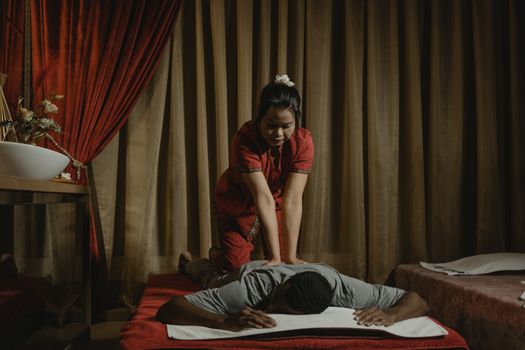
Acupressure practitioners use fingers, palms, elbows, or even special tools to apply gentle but firm pressure to specific acupoints along these meridians. Unlike acupuncture, which uses needles, acupressure is entirely non-invasive, making it accessible to a wider range of people, including those who may be needle-averse.
.png)
Modern research is beginning to catch up with tradition. A growing body of scientific evidence suggests that acupressure can be effective for a variety of conditions. For example, a 2021 systematic review in the journal "Complementary Therapies in Medicine" found that acupressure significantly reduced chronic pain scores in patients compared to those receiving standard care.
How Acupressure Massage Works: The Science and the Sensation
The core mechanism of acupressure is the stimulation of acupoints—specific spots on the body believed to correspond with internal organs and physiological functions. When these points are pressed, several physiological responses are triggered:
- $1: Applying pressure can stimulate the release of endorphins, the body's natural painkillers, helping to alleviate discomfort and induce relaxation. - $1: Acupressure helps dilate blood vessels, enhancing blood flow and oxygen delivery to tissues, which accelerates healing and reduces inflammation. - $1: Studies have shown acupressure can lower levels of cortisol, the body’s primary stress hormone, which is linked to anxiety, insomnia, and immune suppression.A 2018 study published in the journal "Pain Management Nursing" reported that patients receiving regular acupressure sessions experienced a 36% reduction in perceived pain and a 47% improvement in sleep quality after just four weeks.
During a session, clients typically remain fully clothed and lie or sit comfortably while a practitioner locates and stimulates specific acupoints. Some of the most commonly targeted points include:
- LI4 (Hegu): Located between the thumb and index finger, used for headaches and stress relief. - ST36 (Zusanli): Found below the knee, believed to boost immunity and energy. - SP6 (Sanyinjiao): On the inner leg, often used for digestive and menstrual issues.Unique Benefits of Acupressure Massage for Mind and Body
What sets acupressure massage apart from other bodywork techniques is its holistic approach. Instead of focusing solely on muscles or joints, acupressure aims to harmonize the entire body’s energy system. This yields a range of unique benefits:
1. $1: Chronic pain affects about 20% of adults globally. Acupressure provides an alternative to medication, reducing reliance on pharmaceuticals and their potential side effects. 2. $1: With stress cited as a leading cause of illness in 75-90% of doctor visits, the calming effect of acupressure offers a natural antidote. A 2020 randomized controlled trial found that acupressure decreased anxiety scores in participants by up to 50%. 3. $1: By stimulating points linked to digestive organs, acupressure can ease symptoms of bloating, indigestion, and nausea—helpful for those with irritable bowel syndrome or motion sickness. 4. $1: Sleep disorders affect an estimated 30% of adults. Acupressure’s ability to lower stress hormones and promote relaxation can help restore healthy sleep patterns. 5. $1: The gentle, nurturing touch of acupressure has been shown to reduce symptoms of depression and improve overall emotional balance.Comparing Acupressure to Other Massage Techniques
With so many massage modalities available, how does acupressure measure up? The table below highlights the main differences and similarities between acupressure, Swedish massage, and deep tissue massage.
| Technique | Method | Main Focus | Common Uses | Invasiveness |
|---|---|---|---|---|
| Acupressure | Finger, palm, or elbow pressure on acupoints | Energy flow, internal balance | Pain relief, stress reduction, holistic wellness | Non-invasive, no oils or needles |
| Swedish Massage | Long, gliding strokes with oils | Muscle relaxation, circulation | General relaxation, muscle tension | Non-invasive, may use oils |
| Deep Tissue Massage | Firm, deep pressure on muscle layers | Muscle knots, chronic pain | Sports injuries, chronic tension | Non-invasive, more intense, may cause soreness |
As the table shows, acupressure's focus on energy flow and acupoints distinguishes it from primarily muscle-based techniques like Swedish or deep tissue massage. This makes acupressure especially well-suited for those seeking a gentle, holistic approach that addresses both physical and emotional health.
What to Expect During an Acupressure Massage Session
For those new to acupressure, the experience is typically soothing and restorative. A standard session lasts between 30 and 60 minutes. Here’s what you can expect:
- $1: The practitioner will ask about your health history, current symptoms, and wellness goals. - $1: Unlike some massage types, clients remain clothed. Loose, comfortable clothing is recommended. - $1: The practitioner applies steady, gentle pressure to selected acupoints. You may feel a mild ache, warmth, or tingling at these points—this is normal and typically subsides quickly. - $1: Sessions often end with a few minutes of rest to allow the effects to settle. Some people report feeling deeply relaxed, energized, or emotionally lighter afterward.Most people benefit from a series of sessions, especially for chronic issues. A typical course might involve weekly treatments for 4-8 weeks, followed by maintenance visits as needed.
Safety, Limitations, and Who Should Try Acupressure Massage
One of the greatest advantages of acupressure is its safety profile. Since it is non-invasive and does not involve needles or medication, side effects are rare and generally mild—most commonly, temporary soreness or lightheadedness.
However, acupressure is not a substitute for medical care in serious conditions. Individuals with fractures, infectious diseases, open wounds, or certain chronic illnesses (such as severe heart disease or cancer) should consult a healthcare provider before starting acupressure therapy. Pregnant women should also seek guidance, as some acupoints are contraindicated during pregnancy.
Acupressure is particularly suitable for:
- Those seeking drug-free pain or stress relief - People with sensitivities or allergies to massage oils - Individuals looking for a gentle, holistic approach to wellness - Anyone interested in supporting their emotional and energetic healthThe Future of Acupressure Massage in Holistic Wellness
As interest in integrative and complementary medicine continues to grow, acupressure is poised to play a larger role in personal and public health. The World Health Organization recognizes acupressure and acupuncture as effective for over 100 conditions, including chronic pain, migraine, and nausea. The global wellness industry, valued at over $4.4 trillion in 2022, is increasingly embracing evidence-based traditional practices like acupressure.
Whether you are seeking relief from a specific ailment or simply aiming to enhance your overall sense of wellbeing, acupressure massage offers a time-honored, research-supported path. Its accessibility, safety, and holistic benefits make it a valuable complement to modern healthcare—one that brings the healing touch of ancient wisdom into the stresses and challenges of contemporary life.