Maximizing the Benefits of Your Massage Session: Strategies Before, During, and After
Massage therapy is more than just a luxury—it’s a vital component of modern wellness routines. Whether you’re booking a Swedish massage for stress relief or a deep tissue session to target persistent aches, understanding how to maximize the benefits of your massage session is crucial. Many people leave the massage table feeling great, but few realize that key steps before, during, and after their appointment can dramatically enhance those positive effects.
This guide provides in-depth, science-backed strategies to help you get the most out of every massage. From preparing your body and mind beforehand, to communicating effectively with your therapist, to following post-massage best practices, we’ll cover everything you need to know to turn a good massage into a truly transformative experience.
The Power of Preparation: Setting the Stage for Success
Maximizing your massage begins well before you step into the treatment room. Preparation is often overlooked, but research and industry experts agree that what you do in the hours leading up to your session can significantly impact your results.
.png)
Hydration is Key Massage manipulates soft tissues, releasing toxins and metabolic waste. Drinking plenty of water before your session helps your body flush these out efficiently. According to the Mayo Clinic, adults should aim for at least 8 cups (about 2 liters) of water per day, and it’s wise to drink an extra glass or two leading up to your massage.
Avoid Heavy Meals A full stomach can lead to discomfort during your session. Aim to finish eating at least 1-2 hours before your appointment. Light snacks (like fruit or yogurt) are fine if you’re hungry, but steer clear of heavy, greasy foods.
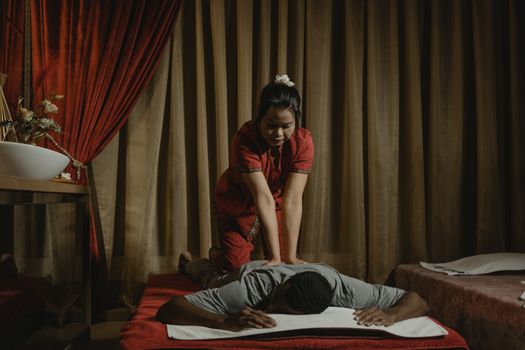
Dress Comfortably Wear loose, comfortable clothing to make undressing and redressing easier. Avoid tight waistbands or restrictive outfits. If your session includes stretches (as in Thai or sports massage), ask if you should wear athletic wear.
Arrive Early Plan to arrive at least 10-15 minutes early, allowing you to fill out forms, use the restroom, and begin relaxing. Rushing in at the last minute can leave you tense, potentially limiting the effectiveness of your session.
Effective Communication: The Cornerstone of a Personalized Session
One of the most common reasons clients leave a massage feeling underwhelmed is a lack of clear communication. Your massage therapist is trained to adapt techniques to your needs, but they can only do so if you speak up.
Be Specific About Your Goals Do you want to relax, recover from a workout, or address chronic pain? Share your specific objectives with your therapist before the session begins. A 2023 survey by the American Massage Therapy Association (AMTA) found that 71% of clients who communicated their goals before a massage reported higher satisfaction compared to only 39% who did not.
Discuss Sensitivities and Preferences If you have areas of soreness, recent injuries, ticklish spots, or preferences for pressure (light, medium, or deep), mention these during the intake. Don’t be shy about asking for modifications during the massage itself—therapists expect and welcome feedback.
Let Your Therapist Know About Health Conditions Chronic illnesses, allergies, pregnancy, or recent surgeries can impact how your therapist approaches your session. Honest disclosure ensures your safety and comfort.
Check-in During the Session If the pressure is too intense or too light, say so. Contrary to popular belief, a massage should never be painful. Discomfort can cause your muscles to tense and diminish the benefits.
Mind-Body Connection: Engaging Your Senses for Deeper Relaxation
A massage session isn’t only about physical touch. The mind-body connection is powerful—your mental state can greatly influence the effectiveness of the treatment. Here’s how to harness this connection:
Practice Mindful Breathing Focusing on slow, deep breaths during your massage can help your nervous system shift from “fight or flight” (sympathetic mode) to “rest and digest” (parasympathetic mode). Studies show that mindful breathing can reduce muscle tension by up to 30% and heighten the relaxation response.
Let Go of Mental Clutter Try to leave worries and plans at the door. If your mind drifts to work or chores, gently bring your focus back to the present moment—perhaps by tuning into the sensation of the therapist’s hands, the ambient music, or the scent of the oils.
Use Guided Imagery Some clients find it helpful to visualize tension melting away or to imagine a peaceful scene (like a beach or forest). This can deepen your sense of calm and make the effects of the massage last longer.
Post-Massage Strategies: Extending the Benefits Beyond the Table
What you do after your massage can be just as important as the session itself. Post-massage care helps lock in the benefits, accelerate recovery, and prevent soreness.
Hydrate Again Massage increases circulation and lymphatic drainage, helping your body rid itself of waste products. Drink at least 1-2 glasses of water post-session to support this natural detox process.
Take It Easy Give yourself time to rest and enjoy the afterglow. Avoid intense exercise, heavy lifting, or stressful activities for several hours. According to a 2021 study in the Journal of Bodywork & Movement Therapies, clients who rested for at least 30 minutes post-massage experienced 22% less muscle soreness than those who returned immediately to strenuous activity.
Stretch Gently Light stretching can prevent stiffness and help maintain increased flexibility. Focus on areas that were worked on during your massage, but avoid anything too vigorous.
Eat Nutritious Foods Opt for meals rich in lean protein, vegetables, and whole grains. These foods provide the nutrients your body needs to repair tissues and recover fully.
Record Your Experience Take a few minutes to jot down how you feel physically and emotionally. Over time, this self-awareness can help you identify which types of massage or techniques are most effective for you.
Comparing Massage Add-Ons: Which Enhancements Deliver the Best Value?
Many spas and clinics offer massage add-ons—extras like aromatherapy, hot stones, or cupping. But which ones truly enhance your experience and which are just nice-to-haves? Here’s a comparative overview:
| Add-On | Average Price Increase (USD) | Reported Benefits | Best For |
|---|---|---|---|
| Aromatherapy Oils | $10–$20 | Improved relaxation, reduced anxiety and stress by up to 25% (according to a 2019 meta-analysis) | Stress relief, mood enhancement |
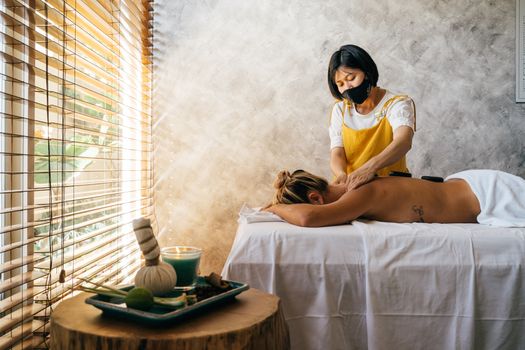
| Hot Stones | $15–$30 | Deeper muscle relaxation, increased circulation, up to 40% reduction in muscle tension | Muscle tightness, chronic pain |
| Cupping Therapy | $20–$40 | Reduced muscle soreness, improved range of motion, faster recovery post-exercise | Athletes, chronic pain sufferers |
| CBD Oil | $20–$35 | Decreased inflammation, potential pain relief, calming effect | Inflammation, anxiety, localized pain |
| Scalp or Foot Scrub | $10–$15 | Invigorated skin, enhanced circulation, sensory stimulation | General relaxation, skin health |
While all add-ons can enhance the sensory experience, studies consistently show that hot stones and aromatherapy deliver the most significant physical and psychological benefits for the majority of clients.
Making Massage a Habit: The Long-Term Impact of Regular Sessions
A single massage can provide immediate relief, but the true potential of massage therapy lies in consistency. Research demonstrates that regular sessions offer cumulative benefits that far exceed sporadic visits.
Frequency for Optimal Results According to a 2022 study published in the International Journal of Therapeutic Massage & Bodywork, people who received massage therapy weekly for eight weeks reported a 47% decrease in chronic pain and a 35% improvement in sleep quality compared to those who had just one session per month.
Mental Health Benefits Massage therapy has been shown to lower cortisol (the stress hormone) by an average of 31% and increase serotonin and dopamine (the “feel-good” neurotransmitters) by 28% and 31%, respectively, according to Touch Research Institute at the University of Miami.
Cost vs. Benefit Budget and time constraints are real concerns. Many clinics offer package deals or memberships that reduce the per-session price by up to 25%. Some health insurance plans now cover massage therapy for conditions like chronic pain or injury recovery.
Final Thoughts: Unlocking the Full Potential of Your Massage Session
A great massage is much more than just an hour of relaxation—it’s a partnership between you and your therapist, a celebration of self-care, and a proven strategy for holistic health. With the right preparation, open communication, mindful presence, and post-massage care, you can maximize the benefits of every session and make massage a powerful pillar of your wellness journey.
Remember, the positive effects of massage are cumulative. The more you engage with the process and tailor your approach, the more profound and lasting your results will be. Invest in yourself, listen to your body, and don’t hesitate to adjust your routine as your needs evolve.