Most of us know massage feels wonderful, but how do you know when you truly need one? In the rush of daily life, physical and mental stress can quietly build up, showing itself in ways we might overlook. Massage therapy is more than a luxury—it’s a crucial part of holistic wellness, backed by science and centuries of tradition. But how do you recognize when your body is signaling it’s time for professional touch? Let’s explore the five key signs you need a massage, supported by research, practical examples, and a data-driven look at the profound effects of this healing practice.
The Science Behind Why Your Body Craves Massage
Massage is not just about relaxation; it’s a powerful tool for maintaining optimal health. According to the American Massage Therapy Association, over 47.5 million Americans received at least one massage in 2018, with 67% seeking relief from medical or health conditions such as pain management, soreness, or injury recovery. That’s because massage manipulates soft tissue, increasing blood flow, reducing inflammation, and triggering the release of endorphins—your body’s natural painkillers.
A study published in the International Journal of Preventive Medicine found that regular massage therapy reduced cortisol levels by up to 31%, while increasing serotonin and dopamine by around 28%. This means massage doesn’t just relax your muscles; it actively shifts your body into a healthier, less stressed state.
.png)
So, how do you know it’s time to schedule a session? Watch for these unmistakable signs.
1. Persistent Muscle Tension or Pain That Won’t Go Away
Muscle soreness after an intense workout is normal, but ongoing tension or pain is your body’s cry for help. Chronic tightness in your neck, shoulders, back, or other muscle groups can result from poor posture, repetitive motions, or stress. According to the Centers for Disease Control and Prevention (CDC), nearly 20% of adults in the United States experience chronic pain, with a significant portion reporting musculoskeletal pain as a daily issue.
Unlike regular aches, persistent muscle tension can limit your range of motion, interfere with sleep, and even lead to headaches. Massage therapy addresses these problems by increasing circulation, flushing out toxins, and releasing tight muscle fibers. Techniques such as deep tissue massage or trigger point therapy can target knots and adhesions, providing lasting relief.
Real-world example: If you notice your shoulders creeping up toward your ears during stressful days, or if back stiffness makes it hard to get out of bed, it’s time to book a massage.
2. Frequent Headaches or Migraines
Headaches are often a symptom of underlying muscle tension, especially in the neck, shoulders, and upper back. The World Health Organization estimates that almost 50% of adults worldwide have experienced a headache within the last year, with tension-type headaches being the most common.
Massage therapy has been shown to reduce the frequency and intensity of tension headaches and migraines. A study in the Journal of Headache and Pain found that participants who received weekly massages reported a 48% reduction in headache frequency. Massage helps by relaxing tight muscles and improving blood flow, which can alleviate the physical triggers of headaches.
If you find yourself reaching for painkillers more often or notice headaches creeping in after long hours at your computer, your body could be signaling the need for a massage.
3. Poor Sleep Quality and Fatigue
Sleep disturbances are a red flag for imbalance in your body and mind. The National Sleep Foundation reports that up to 35% of Americans experience poor sleep quality, leading to daytime fatigue, irritability, and impaired cognitive function.
Massage therapy’s ability to promote relaxation and boost serotonin levels makes it a powerful ally for better sleep. According to a 2015 study in the Journal of Clinical Nursing, patients who received back massages experienced significantly improved sleep quality and reduced insomnia symptoms. Massage can lower your heart rate and blood pressure, signaling your body that it’s time to rest and recover.
If you toss and turn at night or wake up feeling exhausted despite a full night’s sleep, a therapeutic massage could reset your sleep cycle and help you wake up refreshed.
4. High Stress Levels and Emotional Tension
Stress is an unavoidable part of modern life, but chronic stress can take a serious toll on your health. The American Psychological Association found that over 75% of adults report experiencing moderate to high levels of stress in the past month, with common symptoms including anxiety, irritability, and difficulty concentrating.
Massage therapy is clinically proven to reduce stress hormones and foster a sense of calm. Swedish massage, in particular, is known for its gentle, flowing strokes that activate the parasympathetic nervous system—the body’s “rest and digest” mode. Regular massages can help you manage life’s pressures, improve your mood, and even support your immune system.
If you notice mood swings, trouble relaxing after work, or physical symptoms like jaw clenching and shallow breathing, your body may be asking for relief through massage.
5. Reduced Flexibility, Stiffness, or Limited Range of Motion
Flexibility is essential for everyday activities, from bending to tie your shoes to reaching for an overhead shelf. As we age or become less active, muscles and connective tissues can stiffen, reducing our range of motion and increasing the risk of injury.
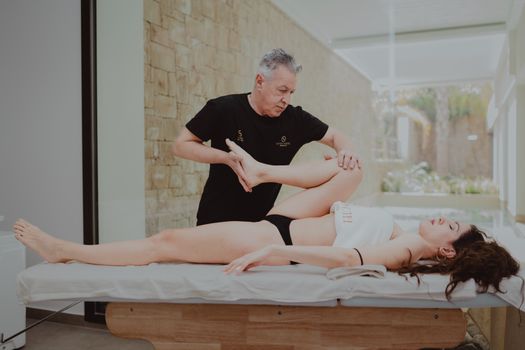
A 2011 study published in the International Journal of Sports Physical Therapy demonstrated that just one 10-minute massage session significantly increased flexibility in participants’ hamstrings. Massage not only stretches muscle fibers but also warms up joints and improves synovial fluid production, making movement smoother and less painful.
If you struggle with stiffness in the morning, notice a “tight” feeling after sitting for long periods, or find it harder to stretch or move as you used to, massage therapy could be exactly what your body needs to bounce back.
Comparing the Signs: When Is Massage Most Needed?
To help you quickly assess whether your symptoms align with those most commonly relieved by massage, here’s a comparative overview:
| Sign | Typical Symptoms | Potential Impact Without Massage | Massage Therapy Benefit |
|---|---|---|---|
| Persistent Muscle Tension | Stiffness, soreness, knots, limited movement | Chronic pain, posture issues, injury risk | Releases muscle knots, increases flexibility |
| Frequent Headaches | Throbbing, tension in head/neck, sensitivity to light | Reduced productivity, reliance on medication | Relieves tension, reduces headache frequency |
| Poor Sleep Quality | Difficulty falling asleep, waking tired, insomnia | Fatigue, mood changes, poor concentration | Promotes relaxation, improves sleep patterns |
| High Stress Levels | Anxiety, irritability, muscle tension, racing thoughts | Burnout, weakened immunity, emotional issues | Lowers stress hormones, enhances emotional well-being |
| Reduced Flexibility | Stiffness, limited range of motion, tight muscles | Increased injury risk, loss of mobility | Improves movement, prevents injuries |
How Often Should You Get a Massage?
Recognizing the signs that you need a massage is the first step—consistent care is the next. The ideal frequency depends on your lifestyle, stress levels, and specific health needs. According to Massage Magazine, most experts recommend a massage every 2-4 weeks for maintenance, and weekly for those managing chronic pain or high stress.
Athletes or those recovering from injury may benefit from more frequent sessions, while others might find monthly visits sufficient. Listen to your body: if your symptoms return quickly after a massage, or if new aches arise, it may be time to increase the frequency.
Choosing the Right Massage for Your Needs
Not all massages are created equal, and the best results come from selecting the right technique for your symptoms. Here’s a quick guide:
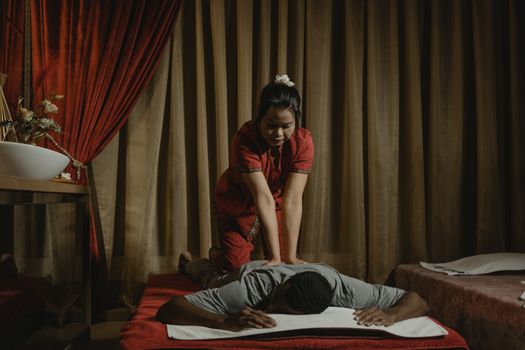
- Swedish Massage: Ideal for relaxation and stress relief; uses long, gentle strokes. - Deep Tissue Massage: Targets chronic muscle tension and knots; uses firm pressure. - Trigger Point Therapy: Focuses on specific tight spots; effective for headaches and localized pain. - Sports Massage: Tailored for athletes; blends techniques to improve recovery and flexibility. - Shiatsu or Thai Massage: Incorporates stretching and pressure; great for boosting flexibility and energy flow.Consult with a certified massage therapist, describe your symptoms, and don’t hesitate to ask for a customized session.
Final Thoughts: Listening to Your Body’s Need for Massage
Your body is constantly sending signals—if you’re paying attention, you can catch the early warning signs and take action before discomfort becomes a crisis. Persistent muscle tension, headaches, poor sleep, high stress, and reduced flexibility are more than annoyances; they’re your body’s way of asking for help.
Massage therapy is a proven, holistic solution that addresses these issues directly, promoting healing, relaxation, and overall well-being. By recognizing the five signs you need a massage and responding proactively, you’re taking a crucial step toward better health and a more balanced life.