Decoding the Different Types of Massage Techniques
Massage therapy is an ancient healing practice that has evolved into a diverse field, offering a wide array of techniques tailored to address specific needs, conditions, and preferences. From soothing relaxation to targeted deep tissue work, the right massage can dramatically enhance physical and mental well-being. But with so many options available, understanding the differences between the most popular massage techniques is crucial for making an informed decision about your health. In this article, we’ll decode the different types of massage techniques, explore their unique benefits, and help you determine which might be right for you.
The Science Behind Massage: Why Technique Matters
Massage therapy is much more than a luxurious indulgence; it’s backed by scientific research and recognized as a legitimate complementary therapy for various conditions. According to the American Massage Therapy Association (AMTA), over 47.5 million Americans received at least one massage in 2022, with many seeking relief from pain, stress, or chronic conditions.
Each massage technique uses specific strokes, pressure levels, and rhythms, targeting different layers of muscle tissue, fascia, or energy pathways. For example, a study published in the Journal of Alternative and Complementary Medicine found that deep tissue massage effectively reduced chronic lower back pain in 74% of participants, while Swedish massage proved more effective for general relaxation and stress reduction.
.png) Choosing the right technique can influence:
- Pain relief and muscle recovery
- Stress reduction and mental health
- Circulation and lymphatic drainage
- Flexibility and mobility
Choosing the right technique can influence:
- Pain relief and muscle recovery
- Stress reduction and mental health
- Circulation and lymphatic drainage
- Flexibility and mobility
Let’s explore the most prominent techniques and how they compare.
Swedish Massage: The Foundation of Relaxation
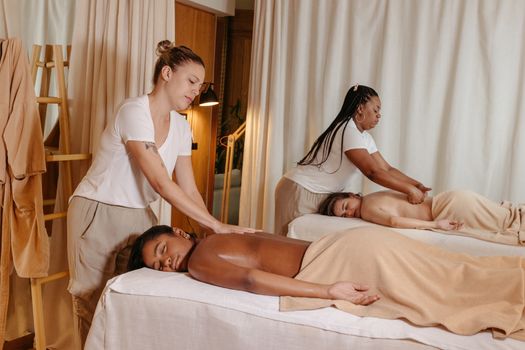
Swedish massage is often considered the “classic” massage technique in Western countries. It is typically the first style taught in massage schools and the most requested by clients seeking relaxation.
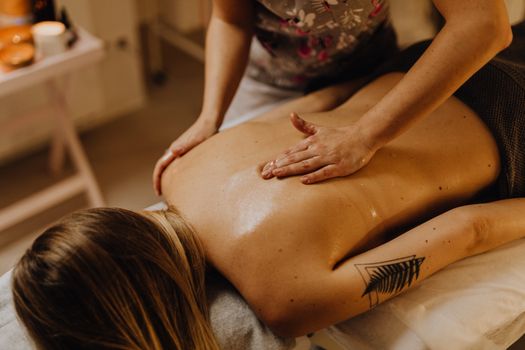
Key Features: - Uses long, gliding strokes (effleurage), kneading, friction, tapping, and gentle stretching - Pressure is generally light to moderate - Focuses on superficial layers of muscles - Enhances blood flow and promotes relaxation Benefits: - Reduces stress and anxiety - Increases oxygen in the blood by up to 10-15%, according to a study in the International Journal of Preventive Medicine - Alleviates muscle tension from daily activities - Improves sleep quality Best For: - First-time massage recipients - Individuals seeking stress relief or gentle muscle relaxationSwedish massage’s gentle yet effective approach makes it accessible for all ages and fitness levels.
Deep Tissue Massage: Targeting Chronic Pain and Tension
Unlike Swedish massage, deep tissue massage focuses on realigning deeper layers of muscles and connective tissue. It’s particularly effective for those with chronic pain, injuries, or repetitive strain.
Key Features: - Uses slow, deliberate strokes and deep finger pressure - Targets knots, adhesions, and specific muscle groups - May involve techniques like stripping (deep gliding pressure) and friction Benefits: - Reduces chronic pain: A 2014 meta-analysis found deep tissue massage reduced pain intensity in fibromyalgia patients by 25% - Breaks up scar tissue after injuries or surgery - Improves range of motion and posture - Aids in recovery for athletes Best For: - Individuals with chronic tension, injuries, or postural issues - Athletes or those with repetitive motion strainsHowever, deep tissue massage is more intense and can cause mild discomfort during the session, which usually resolves within a day.
Specialized Techniques: Shiatsu, Thai, and Sports Massage
Beyond the most common Western styles, there are specialized techniques that cater to unique needs and cultural traditions.
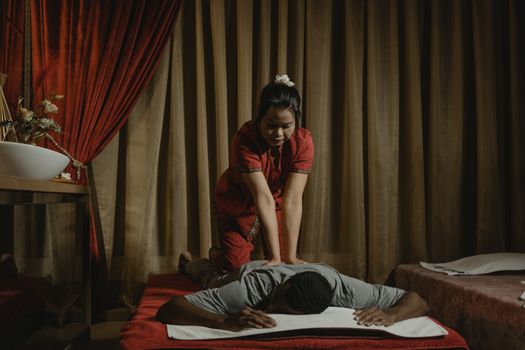
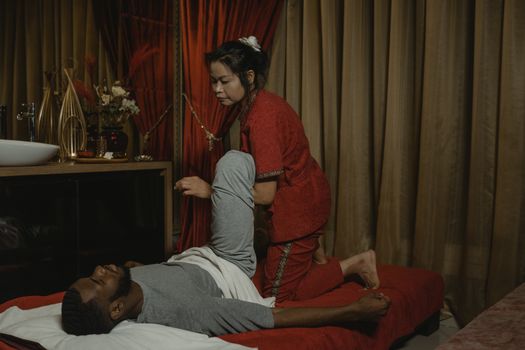
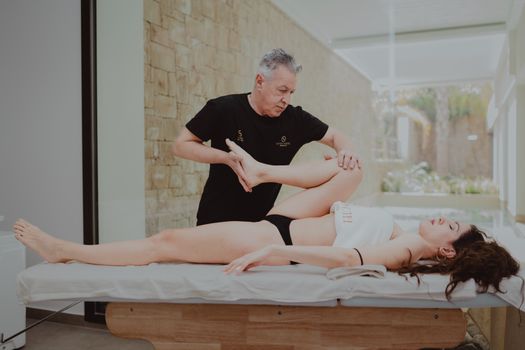
Shiatsu Massage: - Originating from Japan, shiatsu means “finger pressure” - Involves rhythmic pressing along energy meridians and acupuncture points - No oil is used; performed through clothing Thai Massage: - Developed in Thailand over 2,500 years ago - Combines assisted yoga stretches, acupressure, and rhythmic compression - Performed on a mat; client remains clothed Sports Massage: - Designed for athletes and active individuals - Combines Swedish, deep tissue, and stretching techniques - Focuses on muscles used in specific sports or activitiesEach specialized technique addresses different wellness goals:
| Technique | Origin | Main Focus | Typical Duration | Best For |
|---|---|---|---|---|
| Shiatsu | Japan | Energy flow, acupressure | 60-90 min | Stress relief, energy balancing |
| Thai | Thailand | Stretching, mobility | 60-120 min | Flexibility, muscle tension |
| Sports | Modern/Global | Performance, injury prevention | 30-90 min | Athletes, active people |
For example, a 2020 study in the Journal of Bodywork and Movement Therapies found that Thai massage improved flexibility in participants by an average of 18% after six sessions.
Lymphatic Drainage, Hot Stone, and Aromatherapy: Niche Approaches
Some techniques offer highly specialized benefits, combining traditional and modern methods to address unique concerns.
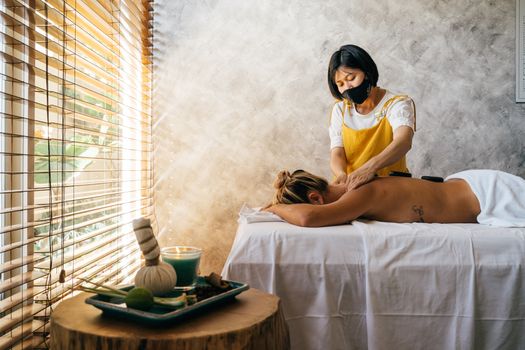
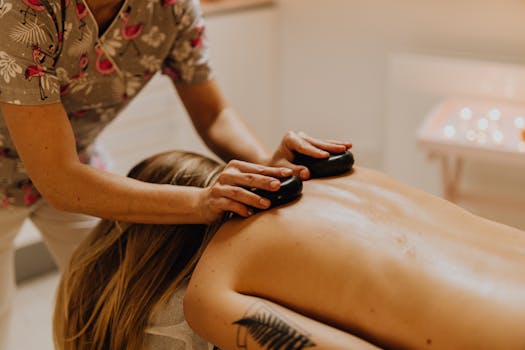
Manual Lymphatic Drainage (MLD): - Light, rhythmic strokes stimulate lymph flow - Reduces swelling, especially post-surgery or after injury - Common in physical therapy and post-cancer care Hot Stone Massage: - Uses heated basalt stones placed on key points and used as massage tools - Heat penetrates muscle tissue, enhancing relaxation - Effective for muscle stiffness and circulation Aromatherapy Massage: - Incorporates essential oils tailored to mood and health goals - Oils like lavender (relaxing), peppermint (energizing), and eucalyptus (respiratory relief) enhance the experience - Blends the benefits of Swedish or deep tissue with aromatherapyThese niche techniques often appeal to those seeking targeted relief or a multi-sensory experience.
How to Choose the Right Massage for Your Needs
Selecting the ideal massage technique depends on your goals, health status, and personal preferences. Here are some key considerations:
- For general relaxation: Swedish or aromatherapy massage - For chronic pain or muscle knots: Deep tissue or sports massage - For flexibility and mobility: Thai massage - For energy balance or emotional stress: Shiatsu or aromatherapy - For swelling or lymphatic issues: Manual lymphatic drainageIt’s essential to communicate with your massage therapist about your symptoms, medical history, and expectations. A qualified professional will adjust techniques and pressure to suit your needs.
Also, consider frequency: The AMTA recommends a monthly massage for general wellness, while those with chronic conditions may benefit from bi-weekly sessions. Always consult your healthcare provider if you have underlying medical conditions, such as cardiovascular disease, before beginning a massage regimen.
Conclusion: Embrace the Power of Tailored Touch
With the wide range of massage techniques available today, there is truly something for everyone—whether you’re seeking relaxation, pain relief, improved athletic performance, or holistic well-being. By understanding the differences between modalities like Swedish, deep tissue, Shiatsu, Thai, sports massage, and beyond, you can make empowered choices for your health.
The benefits are clear: From reducing stress hormones by up to 31% to enhancing flexibility and speeding injury recovery, massage therapy is a proven asset in any wellness plan. Consult with a licensed massage therapist to explore which technique aligns best with your goals, and unlock the transformative power of professional touch.