Selecting the Best Massage Option for Your Needs: A Comprehensive Guide
Few therapeutic practices are as universally appealing and diverse as massage. With over 47.5 million Americans receiving massages annually (AMTA, 2023), it’s clear that people value the physical and mental benefits of this ancient art. But with so many different massage techniques available—each promising unique benefits—selecting the best massage option for your needs can be overwhelming. Whether you’re seeking relief from chronic pain, stress reduction, or simply a luxurious escape, understanding the options and how they align with your goals is essential for a satisfying experience.
Understanding Your Massage Goals: What Do You Want to Achieve?
Before booking an appointment, take a moment to consider your primary reason for seeking a massage. Are you dealing with muscle tension, recovering from an injury, struggling with anxiety, or looking to enhance athletic performance? According to a 2022 survey by the American Massage Therapy Association, the top three reasons people seek massage are medical (45%), relaxation (37%), and pain management (33%).
Clarifying your goals will help you communicate effectively with your therapist and select a modality that delivers optimal results. For example:
.png) - If you want deep muscle relief, a deep tissue or sports massage may be best.
- For emotional balance or relaxation, Swedish or aromatherapy massage can be highly beneficial.
- If you have a specific medical condition, such as fibromyalgia or arthritis, specialized medical or therapeutic massage may be appropriate.
- If you want deep muscle relief, a deep tissue or sports massage may be best.
- For emotional balance or relaxation, Swedish or aromatherapy massage can be highly beneficial.
- If you have a specific medical condition, such as fibromyalgia or arthritis, specialized medical or therapeutic massage may be appropriate.
Knowing your objective is half the battle. The next step is understanding how different massage types address these needs.
Comparing Popular Massage Types: Features, Benefits, and Best Uses
With dozens of massage styles practiced worldwide, each offers its own set of techniques, pressure levels, and intended effects. Below is a comparison of some of the most popular massage modalities to help you decide which fits your needs best.
| Massage Type | Main Techniques | Best For | Typical Duration | Average Cost (USD) |
|---|---|---|---|---|
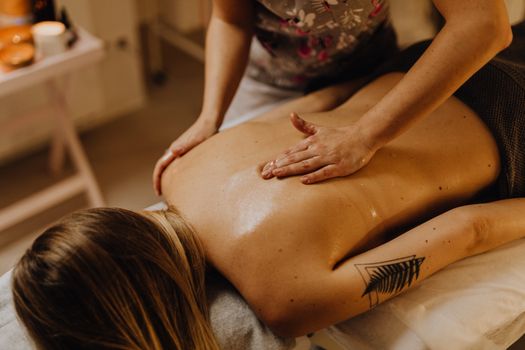
| Swedish Massage | Long strokes, kneading, circular movements | Relaxation, stress relief, beginners | 50-90 mins | 70-120 |
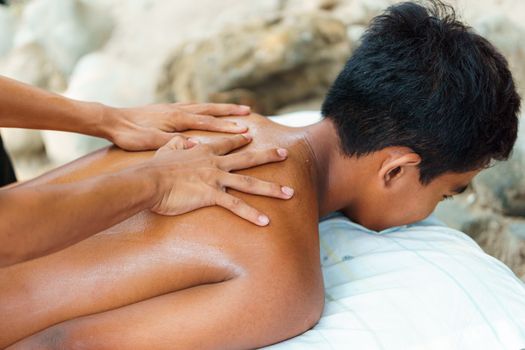
| Deep Tissue Massage | Firm pressure, targeted muscle work | Chronic pain, muscle knots, injury recovery | 60-90 mins | 80-150 |
| Sports Massage | Stretching, compression, deep pressure | Athletes, pre/post event, injury prevention | 30-60 mins | 90-160 |
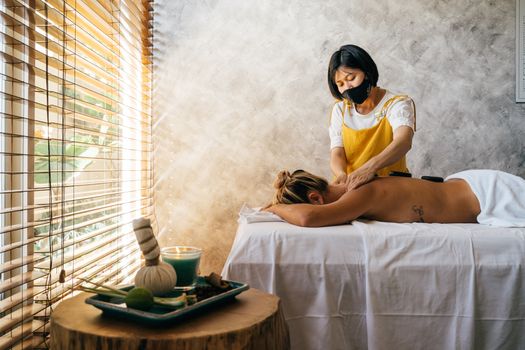
| Hot Stone Massage | Heated stones, gentle pressure | Relaxation, improved circulation, stress | 60-90 mins | 100-180 |
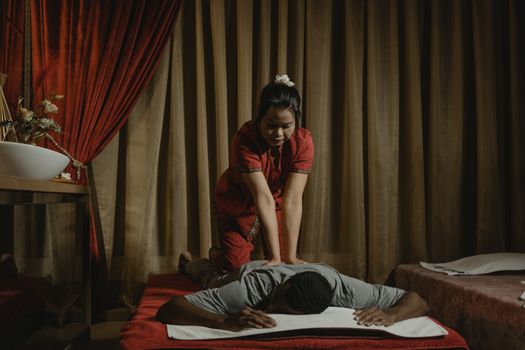
| Thai Massage | Stretching, acupressure, movement | Flexibility, energy, deep relaxation | 60-120 mins | 80-160 |
| Medical/Therapeutic Massage | Tailored to condition, varies | Injury, chronic conditions, post-surgery | 30-60 mins | 100-200 |
As you can see, there’s considerable variety in both technique and outcome. For instance, Swedish massage is gentle and suitable for most people, while deep tissue massage is more intense and targets deeper layers of muscle and fascia. Sports massage is highly specialized for athletic bodies, and hot stone massage uses heat to encourage relaxation and circulation.
Specialized Massage Options: Beyond the Basics
While Swedish and deep tissue massage are household names, many specialized therapies cater to specific needs. If you have unique concerns, these options may offer better results:
- $1 Specifically designed for pregnant women, this massage uses safe techniques to relieve joint pain, reduce swelling, and promote overall comfort. The American Pregnancy Association notes that prenatal massage can lower stress hormones, improve sleep, and reduce labor complications. - $1 This gentle technique is ideal for those experiencing swelling (lymphedema) or recovering from surgery. It encourages the movement of lymph fluids, supporting detoxification and immune function. - $1 Focused on relieving tension in the connective tissue (fascia), this method benefits those with chronic pain or restricted movement from injuries. - $1 Targeted pressure is applied to specific points to relieve pain in other areas of the body. This is useful for those with chronic headaches, back pain, or repetitive strain injuries. - $1 Involves applying pressure to specific points on the feet, hands, or ears, believed to correspond with different organs and systems. While the scientific evidence is mixed, many people find it deeply relaxing.If you have a particular medical condition, consult your doctor before trying a specialized massage. According to the Mayo Clinic, certain health issues—such as blood clots, severe osteoporosis, or recent surgery—may require modifications or even contraindicate massage altogether.
Matching Massage to Your Lifestyle and Preferences
Choosing the right massage isn’t just about the technique—it’s about aligning with your lifestyle, preferences, and even personality. Consider these key questions:
- $1 If you’re crunched for time, chair massages or focused 30-minute sessions on specific areas (like the neck and shoulders) can provide immediate relief. - $1 Some therapists engage with clients, while others prefer a quiet environment. Communicate your preference beforehand. - $1 If you’re sensitive, a gentle approach like Swedish or aromatherapy massage may be best. For those who want to “feel the work,” deep tissue or Thai massage could be more satisfying. - $1 Some modalities, such as Thai or Shiatsu, incorporate elements of meditation, stretching, or energy work, appealing to those who appreciate mind-body approaches.Additionally, practical considerations like location, budget, and therapist credentials can influence your choice. In the United States, massage therapists must be licensed in 49 states, with over 320,000 practitioners nationwide—so finding a qualified professional nearby is easier than ever.
Evaluating Massage Therapists and Facilities: What to Look For
Once you’ve chosen a massage style, the next crucial step is selecting the right therapist and setting. Here’s what to consider for a safe, effective, and enjoyable experience:
- $1 Verify that your therapist is licensed and certified in your state. Professional organizations like the National Certification Board for Therapeutic Massage & Bodywork (NCBTMB) set high standards for practitioners. - $1 If you have a specific need (e.g., prenatal, sports, medical), seek a therapist with relevant training and experience. - $1 The environment should be clean, comfortable, and inviting. According to a 2021 survey by the International Spa Association, 92% of clients say a relaxing atmosphere significantly impacts their experience. - $1 Check online reviews or ask friends for recommendations. Word-of-mouth remains one of the most reliable ways to assess quality. - $1 A good therapist will ask about your health history, preferences, and goals before beginning. Open communication ensures your needs are met and minimizes risk.Don’t be shy about asking questions. A reputable therapist welcomes inquiries about their training, technique, and approach to client care.
When to Avoid or Modify Massage: Safety Considerations
While most people can enjoy massage safely, certain conditions require caution. According to Johns Hopkins Medicine, you should consult your physician and inform your therapist if you have:
- Uncontrolled high blood pressure - Blood clotting disorders or a history of deep vein thrombosis (DVT) - Active infection or fever - Recent surgery or open wounds - Severe osteoporosis or bone fractures - Skin conditions or rashesPregnant women, cancer patients, and individuals with chronic illnesses should always seek therapists with specialized training and medical clearance. In rare cases, massage can exacerbate symptoms or complications if not performed correctly.
Making the Most of Your Massage Experience: Preparation and Aftercare
Maximizing the benefits of your massage doesn’t end when the session is over. Here are tips to enhance your experience before, during, and after:
- $1 Drink plenty of water before and after your massage to help flush toxins released from muscle tissue. - $1 Give yourself time to relax and communicate your needs to the therapist without feeling rushed. - $1 Wear loose, comfortable clothing for easy changing and post-massage relaxation. - $1 Share any discomfort, pain, or preferences during the session so the therapist can adjust accordingly. - $1 After your massage, avoid strenuous activity and allow your body to absorb the benefits.According to a 2022 study in the Journal of Bodywork & Movement Therapies, individuals who practiced post-massage relaxation reported a 37% greater reduction in stress and muscle tension than those who returned immediately to daily activities.
Best Practices for Selecting the Right Massage for You
Selecting the best massage option for your needs is a deeply personal decision—one that depends on your goals, health, preferences, and life circumstances. By taking a thoughtful, informed approach:
- Assess your primary objective (relaxation, pain relief, flexibility, etc.) - Research the available massage styles and compare features - Consider specialized options for unique health needs - Choose a qualified therapist and suitable environment - Communicate openly and prepare for your sessionWith over 320,000 massage therapists practicing in the U.S. and an ever-expanding menu of techniques, there’s never been a better time to find the perfect fit. Prioritizing your health and comfort will ensure a rewarding, safe, and transformative massage experience.