Promoting Vitality: The Best Massages for Improving Blood Circulation
Good blood circulation is essential for a healthy body. It delivers oxygen and nutrients to every cell, helps remove metabolic waste, and supports the function of every organ. Poor circulation can lead to fatigue, cold extremities, swelling, muscle cramps, and even cardiovascular issues. While exercise and a healthy diet play a role, massage therapy is a powerful and natural way to stimulate blood flow. In this guide, we explore the best massages for improving blood circulation, how they work, and how to choose the right one for your needs.
Understanding Blood Circulation and Its Importance
Blood circulation is the continuous movement of blood throughout the body, powered by the heart. It supplies tissues with oxygen and nutrients while removing carbon dioxide and waste products. When circulation is optimal, the body feels energized, the skin glows, and muscles recover faster. However, sedentary lifestyles, stress, and certain health conditions can slow circulation, leading to discomfort and health risks.
According to the World Health Organization, cardiovascular diseases—often linked to poor circulation—are the leading cause of death globally, accounting for 32% of all deaths in 2019. Symptoms of poor circulation include numbness, tingling, swelling, muscle fatigue, and slow healing wounds. Improving circulation can reduce these symptoms and promote overall well-being.
.png)
Massage therapy is one of the most enjoyable and effective ways to boost circulation. By manipulating soft tissues, massage stimulates blood flow, encourages lymphatic drainage, and supports the body's natural healing processes.
How Massage Improves Blood Flow: The Science Explained
Massage promotes blood circulation through a combination of mechanical and physiological effects:
1. $1 The physical act of kneading, stroking, and compressing muscles temporarily squeezes blood vessels, pushing blood out of the tissues. When pressure is released, fresh blood rushes in, increasing oxygen delivery. 2. $1 Massage stimulates the production of nitric oxide, which relaxes blood vessel walls, causing them to widen (vasodilation). This increases blood flow and helps lower blood pressure. 3. $1 Unlike the circulatory system, the lymphatic system relies on muscle movement to transport lymph. Massage helps move lymph fluid, reducing swelling and supporting immune function.A 2014 study published in the Archives of Physical Medicine and Rehabilitation found that a single 10-minute massage significantly improved vascular function in healthy volunteers. Another study from the University of Illinois at Chicago showed that massage increases muscle temperature and blood flow by as much as 50% in the treated area.
Top Massage Techniques for Improving Circulation
Not all massages are created equal when it comes to boosting blood flow. The following methods are particularly effective for stimulating circulation and supporting cardiovascular health.
1. Swedish Massage
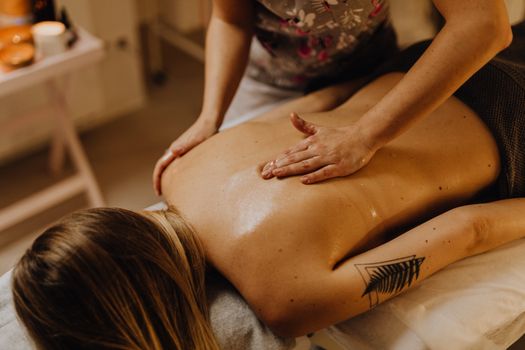
Swedish massage is the most popular and widely practiced style, characterized by long, gliding strokes, kneading, friction, and tapping. The gentle yet firm pressure encourages overall circulation and relaxation. Studies have shown that Swedish massage can significantly increase peripheral blood flow and help control blood pressure. This style is ideal for those new to massage or sensitive to deep pressure.
2. Deep Tissue Massage
Deep tissue massage targets deeper muscle layers and connective tissues. It uses slower, more forceful strokes to break up adhesions and improve blood flow to restricted areas. This style is especially beneficial for chronic muscle tension, athletes, or people recovering from injuries. Deep tissue massage is known to enhance circulation in areas where blood flow may have been compromised due to stiffness or injury.
3. Thai Massage
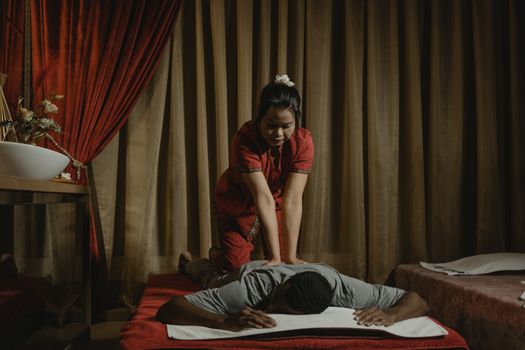
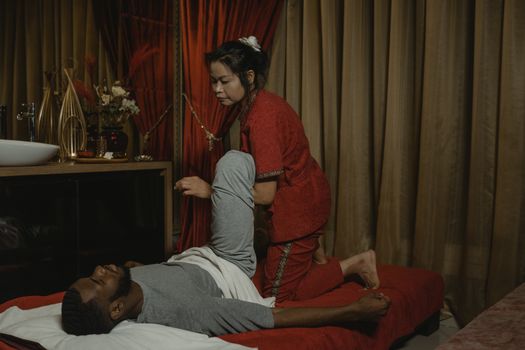
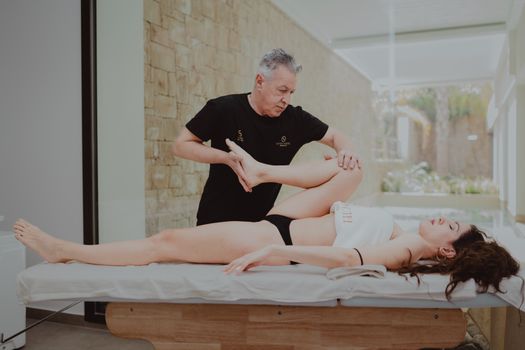
Thai massage combines acupressure, assisted yoga stretches, and rhythmic compression. Therapists use hands, elbows, knees, and feet to manipulate the body, releasing tension and encouraging blood flow. Research indicates that Thai massage can enhance circulation, flexibility, and energy levels. The dynamic stretching component helps mobilize blood in both superficial and deep tissues.
4. Hot Stone Massage
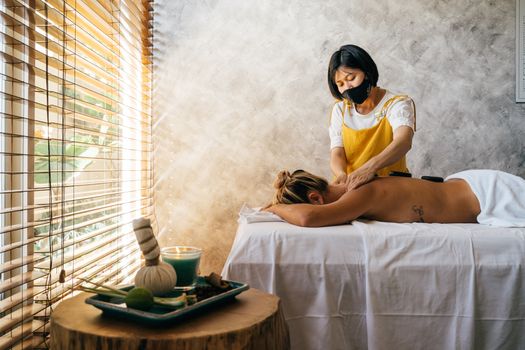
Hot stone massage involves placing smooth, heated stones on specific body parts and using them to massage muscles. The heat penetrates deeply, causing blood vessels to expand and increasing circulation to the area. A 2018 study in the Journal of Alternative and Complementary Medicine found that hot stone massage can improve microcirculation and reduce muscle soreness, making it an excellent choice for those with chronic pain or poor circulation.
5. Reflexology
Reflexology focuses on applying pressure to specific points on the feet, hands, or ears that correspond to different organs and systems. While research is ongoing, several studies suggest that reflexology can help improve peripheral circulation, especially in people with diabetes or peripheral artery disease. Reflexology is a good option for those seeking a less invasive technique that still offers circulatory benefits.
Comparing Circulation-Boosting Massage Techniques
To help you decide which massage style is right for you, here’s a comparison table summarizing their key features and circulatory benefits:
| Massage Type | Main Techniques | Ideal For | Circulatory Benefits |
|---|---|---|---|
| Swedish | Long strokes, kneading, tapping | Beginners, stress relief | Increases overall blood flow, reduces stress hormones |
| Deep Tissue | Slow, deep pressure, friction | Chronic tension, athletes | Improves circulation in deep muscle layers, aids recovery |
| Thai | Acupressure, stretching, compression | Flexibility, energy boost | Stimulates blood flow, improves flexibility and mobility |
| Hot Stone | Heated stones, gentle massage | Pain relief, muscle soreness | Promotes vasodilation, enhances microcirculation |
| Reflexology | Pressure on feet/hands/ears | Peripheral circulation, relaxation | Boosts blood flow to extremities, supports organ function |
Specialized Massages for Targeted Circulation Needs
While the above techniques are widely available, certain conditions might benefit from more specialized massages:
- $1 Tailored for athletes, this technique combines deep tissue work, stretching, and trigger point therapy to maximize blood flow to overworked muscles and aid in recovery. Sports massage can help reduce delayed onset muscle soreness (DOMS) and speed up healing. - $1 This gentle, rhythmic massage specifically targets the lymphatic system, encouraging the removal of excess fluid and waste. MLD is highly effective for people with lymphedema, swelling, or post-surgical recovery needs. - $1 For pregnant women, prenatal massage can help reduce swelling in the legs and ankles by promoting better venous return and lymphatic flow, all while being gentle and safe.It’s worth noting that massage should not replace medical treatment for serious circulatory problems. Always consult your doctor if you have underlying health conditions such as deep vein thrombosis, severe varicose veins, or uncontrolled hypertension.
How Often Should You Get a Massage for Circulation?
How frequently you should receive massage depends on your goals, health status, and lifestyle. For general circulatory benefits, biweekly or monthly sessions can suffice. Those with chronic conditions or athletes in training may benefit from weekly massage.
A 2012 study in the Journal of Alternative and Complementary Medicine found that regular massage sessions (once per week for four weeks) resulted in measurable improvements in vascular function and blood flow.
Here are some guidelines:
- $1 Once every 2-4 weeks - $1 Once per week - $1 1-2 times per week, as advised by a professionalAlways discuss your health history and goals with a licensed massage therapist, who can tailor the session and frequency to your needs.
Simple At-Home Techniques to Encourage Better Circulation
If professional massage isn’t always an option, there are effective self-massage techniques you can use at home to keep your blood flowing:
- $1 Using a natural bristle brush, gently brush your skin in long strokes toward your heart before showering. This stimulates surface circulation and exfoliates the skin. - $1 Rolling major muscle groups with a foam roller helps release tension and promotes blood flow. - $1 Use your hands or a massage ball to knead tight spots, especially in the calves, feet, and forearms. - $1 Alternating between hot and cold water in the shower causes blood vessels to constrict and dilate, improving overall circulation.While these techniques can’t replace the benefits of a professional massage, they can make a noticeable difference when practiced regularly.
Final Thoughts on the Best Massages for Improving Blood Circulation
Optimal blood circulation is the cornerstone of good health, affecting everything from your energy levels to the health of your skin and organs. Massage therapy offers a proven, enjoyable, and holistic method to encourage better blood flow, reduce discomfort, and enhance your overall well-being. Whether you prefer the soothing strokes of a Swedish massage, the deep pressure of a sports massage, or the unique stretches of Thai massage, there is an approach to fit every need and lifestyle.
Remember, the best results come from regular practice—whether on the massage table or with simple techniques at home. Always consult with a qualified therapist to choose the right technique for your goals and health.