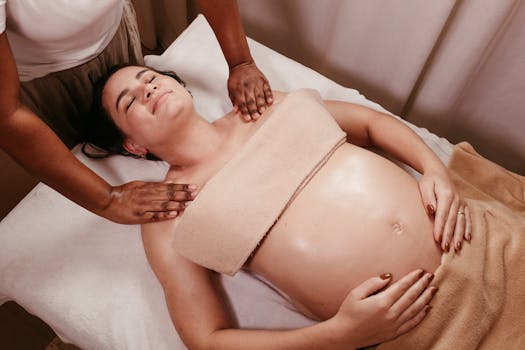
Welcoming a new life into the world is one of the most profound journeys a woman can experience. However, pregnancy often brings a tangled web of physical discomforts—aching backs, swollen legs, relentless fatigue, and emotional ups and downs. For many expectant mothers, massage therapy is more than a luxury; it’s a vital tool for finding relief, restoring balance, and nurturing both body and mind during these transformative months. But not all massage techniques are equally suited for pregnancy, and it’s essential to choose safe, effective options tailored to the unique needs of pregnant women.
This article explores the best massages for pregnant women, focusing on how these therapies can relieve pain and enhance wellbeing. We’ll dive into specific massage types, highlight their benefits and safety considerations, and provide practical tips for expectant mothers seeking comfort and relaxation.
Understanding Pregnancy Discomforts and the Role of Massage
Pregnancy brings dramatic physical changes. According to the American Pregnancy Association, up to 80% of pregnant women experience back pain, and nearly 50% suffer from leg cramps or swelling. Hormonal shifts loosen ligaments and joints, while the growing uterus alters posture and puts pressure on nerves.
.png)
These discomforts are not just inconvenient—they can disrupt sleep, daily activities, and emotional wellbeing. This is where massage therapy steps in as a powerful ally. Multiple studies, including a 2010 report in the Journal of Psychosomatic Obstetrics & Gynecology, show that prenatal massage can significantly reduce back pain, leg pain, and anxiety in pregnant women.
Massage improves circulation, eases muscle tension, and stimulates the release of endorphins—natural painkillers. When performed by a qualified therapist trained in prenatal care, massage is safe for most healthy pregnancies and can provide immense relief. However, it’s essential to choose the most suitable technique for each stage and symptom.
Top Massage Techniques for Pregnant Women: A Comparative Guide
Not all massage styles are created equal, especially during pregnancy. Let’s compare the most popular and effective therapies for expectant mothers:
| Massage Type | Best For | Key Benefits | Safety Notes |
|---|---|---|---|
| Prenatal Massage | General pregnancy discomfort, stress | Reduces swelling, pain, and stress hormones | Safe in all trimesters with trained therapist |
| Swedish Massage | Muscle tension, relaxation | Improves circulation, eases muscle aches | Gentle pressure, avoid deep tissue |
| Reflexology | Foot/leg pain, swelling | Promotes relaxation, may reduce edema | Avoid certain pressure points in first trimester |
| Side-Lying Massage | Back/hip pain, later pregnancy | Targets lower back, hips safely | Special cushions and positioning needed |
| Lymphatic Drainage | Severe swelling, circulation issues | Reduces fluid retention, boosts immune system | Very gentle, only by specialized therapists |
As you can see, each method offers unique benefits. The best choice depends on your symptoms, stage of pregnancy, and personal preferences.
Prenatal Massage: The Gold Standard for Expectant Mothers
Prenatal massage is specifically designed for the pregnant body, making it the safest and most recommended option for mothers-to-be. Certified prenatal therapists use gentle, tailored strokes to ease tension and swelling, focusing on problem areas like the lower back, hips, and legs.
A 2012 study in the International Journal of Nursing Practice found that women who received regular prenatal massages reported a 60% reduction in back and leg pain, along with improved sleep quality. Prenatal massage also lowers cortisol (the stress hormone) and boosts serotonin, which can help stave off depression and anxiety.
What makes prenatal massage unique? Specialized tables or cushions allow expectant mothers to lie comfortably on their sides or with belly support, avoiding any pressure on the abdomen. Therapists are trained to avoid risky areas, such as certain acupressure points that could potentially trigger contractions, especially in high-risk pregnancies.
Swedish Massage: Gentle Relief for Tense Muscles
Swedish massage is one of the most widely practiced forms of massage, and its gentle, flowing strokes make it particularly well-suited for pregnancy. Unlike deep tissue massage, which uses intense pressure, Swedish massage focuses on relaxing surface muscles and improving circulation without risk.
A 2019 review published in the Journal of Bodywork and Movement Therapies found that Swedish massage can significantly reduce muscle tension and promote relaxation in pregnant women. The technique is especially helpful for alleviating upper and lower back pain, shoulder stiffness, and general fatigue.
During pregnancy, Swedish massage is modified to use lighter pressure and to avoid sensitive areas. Therapists will typically avoid the abdomen and focus on the back, legs, arms, and neck. This approach can help manage common pregnancy complaints while providing a soothing, restorative experience.
Reflexology: Focused Foot Relief and More
Reflexology involves applying gentle pressure to specific points on the feet, which are believed to correspond to different organs and systems of the body. For pregnant women, reflexology can be particularly effective in addressing foot and leg swelling—a common complaint, especially in the third trimester.
A 2015 clinical trial published in the Iranian Red Crescent Medical Journal found that pregnant women who received weekly reflexology treatments experienced significantly less lower-leg edema compared to those who did not receive massage. Reflexology may also help with insomnia and digestive issues.
However, caution is needed: some reflex points are thought to stimulate uterine contractions. For this reason, it’s crucial to see a practitioner with experience in maternity reflexology, especially during the first trimester, and to avoid certain acupressure points unless cleared by a healthcare provider.
Side-Lying and Lymphatic Drainage Massages: Targeted Support in Late Pregnancy
As pregnancy progresses and the belly grows, it becomes more difficult—and uncomfortable—to lie face-down or flat on the back. The side-lying position, supported by pillows, is a safe and effective way to receive massage in the later stages of pregnancy.
Side-lying massage allows therapists to access the lower back, hips, and legs—areas that often bear the brunt of pregnancy-related pain. According to a survey by the American Massage Therapy Association, 72% of pregnant women reported significant relief of sciatic nerve pain after side-lying massage sessions.
For women struggling with severe swelling or fluid retention, manual lymphatic drainage (MLD) is another gentle technique that encourages the movement of lymph fluids. This can reduce edema, boost the immune system, and help prevent varicose veins. MLD must be performed by a therapist certified in the method, as it involves extremely light, rhythmic strokes and requires knowledge of the lymphatic system.
Safety Tips and How to Choose the Right Massage
Safety should always come first, especially during pregnancy. Here are essential tips for expectant mothers considering massage:
- Always consult your obstetrician or midwife before beginning any new therapy, particularly if you have a high-risk pregnancy, preeclampsia, or a history of blood clots. - Choose a therapist certified in prenatal massage or maternity reflexology. Ask about their training and experience with pregnant clients. - In the first trimester, avoid deep tissue massage and certain acupressure points. - During the second and third trimesters, avoid lying flat on your back for extended periods to prevent pressure on the vena cava (a major blood vessel). - Communicate openly with your therapist about your symptoms, comfort level, and any concerns.If you prefer not to visit a spa or clinic, gentle at-home techniques—such as self-massage with a tennis ball, or partner-assisted back rubs—can also provide relief. However, professional care is recommended for more significant discomfort or if you have any medical complications.
Final Thoughts on Choosing the Best Massage for Pregnancy Pain Relief
Pregnancy is a time of profound change, and while discomfort is common, it doesn’t have to be endured in silence. Massage therapy, when chosen wisely and performed safely, can be a lifeline for expectant mothers—reducing pain, enhancing circulation, and nurturing emotional wellbeing.
From the tailored approach of prenatal massage to the gentle touch of Swedish massage and the targeted relief of reflexology, there are multiple options to suit different needs and stages of pregnancy. Always prioritize safety by consulting your healthcare provider and working with certified professionals. With the right approach, massage can transform pregnancy from a time of aches and anxiety to one of comfort, connection, and anticipation.