Sports Massage: An Athlete's Secret Weapon
Whether you’re an Olympic contender, a weekend warrior, or simply passionate about your favorite sport, you’re always looking for an edge—a way to boost performance, recover faster, and outlast the competition. Enter sports massage: the not-so-secret weapon that’s been transforming athletic performance for decades, yet remains misunderstood by many. More than just a feel-good indulgence, sports massage is a science-backed, strategic tool that can help athletes reach new heights, prevent injuries, and maintain their competitive edge.
The Science Behind Sports Massage: More Than Just Muscle Relief
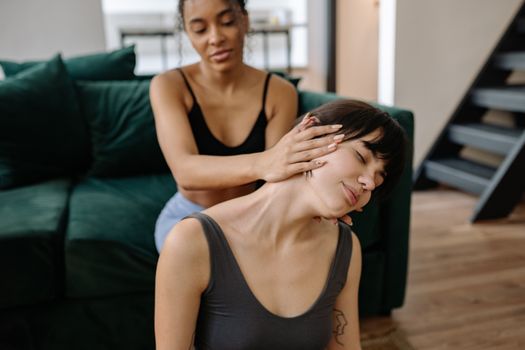
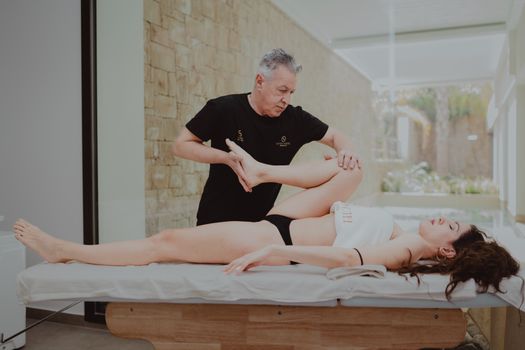
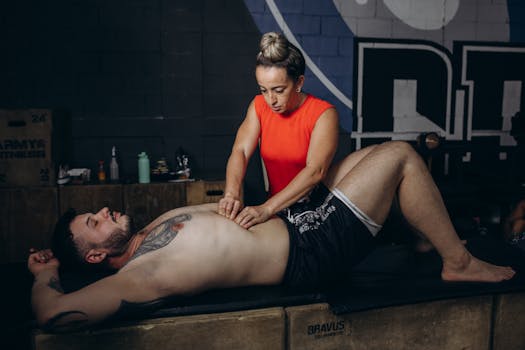
Sports massage isn’t just about soothing sore muscles. It’s a specialized form of bodywork tailored to the needs of athletes before, during, and after training or competition. By targeting specific muscle groups, manipulating soft tissues, and employing techniques grounded in physiology, sports massage delivers benefits far beyond relaxation.
Research published in the Journal of Athletic Training found that athletes receiving regular sports massage experienced a 30% faster reduction in muscle soreness after intense exercise compared to those who did not. The mechanism? Sports massage increases blood flow, flushes out metabolic waste like lactic acid, and reduces the microscopic tears that lead to muscle pain.
.png) Key physiological benefits include:
- Enhanced circulation and oxygen delivery to muscles
- Reduction of inflammation and swelling
- Improved lymphatic drainage and toxin removal
- Stimulation of the nervous system for faster muscle recovery
Key physiological benefits include:
- Enhanced circulation and oxygen delivery to muscles
- Reduction of inflammation and swelling
- Improved lymphatic drainage and toxin removal
- Stimulation of the nervous system for faster muscle recovery
In addition, sports massage can help recalibrate the body’s proprioception—the sense of where your body is in space—helping improve coordination and prevent missteps that lead to injury.
Performance Enhancement: Unlocking Athletic Potential
Athletes are always searching for ways to run faster, lift heavier, and push harder. Sports massage is increasingly recognized as a performance enhancer, not just a recovery tool. A 2018 survey of professional athletes found that 82% reported noticeable improvements in flexibility and range of motion after regular sports massage sessions.
Here’s how sports massage helps athletes perform at their best: - $1 Targeted stretching and manipulation break down adhesions (knots), allowing muscles to move more freely. This is crucial for sports requiring agility and explosive power. - $1 Loosened muscles contract and relax more effectively, leading to smoother, more coordinated movements. - $1 Sports massage isn’t only physical. The calming effects help reduce pre-competition anxiety, sharpen focus, and promote a winning mindset. - $1 Regular sessions identify and address potential problem areas before they escalate, keeping athletes in the game longer.Real-world example: The British Olympic team has included sports massage therapists as part of their official medical staff since the 1984 Games. Athletes credit this with helping them minimize downtime and maximize medal-winning performance.
Injury Recovery: Healing Faster, Returning Stronger
Injury is the bane of every athlete’s existence. Traditional rest and rehabilitation are vital, but sports massage can dramatically accelerate the healing process. A study from the American College of Sports Medicine showed that athletes who received sports massage after muscle strains returned to play an average of 1.5 weeks sooner than those relying solely on conventional therapy.
Techniques such as deep tissue manipulation, trigger point therapy, and cross-fiber friction help: - Reduce scar tissue formation - Restore normal range of motion - Decrease swelling around injured areas - Improve tissue elasticity and strengthSports massage also addresses the psychological impact of injury. By reducing stress hormones like cortisol and increasing endorphins, athletes not only heal physically, but also regain the confidence to return to their sport.
Sports Massage vs. Other Massage Types: A Comparative Overview
Not all massages are created equal. While Swedish and deep tissue massages are well known for relaxation, sports massage is purpose-built for athletic needs. The table below highlights key differences:
| Massage Type | Primary Focus | Techniques Used | Ideal For | Session Duration (Typical) |
|---|---|---|---|---|
| Sports Massage | Performance, injury prevention, recovery | Compression, stretching, friction, trigger point | Athletes, active individuals | 30-90 minutes |
| Swedish Massage | Relaxation, stress relief | Long gliding strokes, kneading | General public, stress reduction | 60-90 minutes |
| Deep Tissue Massage | Chronic pain, muscle tension | Slow, deep pressure, muscle fiber targeting | People with chronic pain, tension | 60-90 minutes |
| Trigger Point Massage | Relief of specific muscle knots | Direct pressure on trigger points | Individuals with localized pain | 30-60 minutes |
Sports massage stands out for its individualized approach, often incorporating elements from other types but always with an eye on athletic goals. Sessions may be tailored for pre-event (to energize and prepare), post-event (to calm and recover), or maintenance (to keep the body in top condition).
When and How Often Should Athletes Get Sports Massage?
Timing and frequency matter when it comes to maximizing the benefits of sports massage. According to the American Massage Therapy Association (AMTA), many elite athletes schedule sports massage: - Once a week during peak training or competition seasons - Before and after major events - Every 2-4 weeks in the off-season for maintenancePre-event massages are usually shorter (15-30 minutes), focusing on stimulating muscles and increasing circulation. Post-event sessions, typically 30-60 minutes, employ gentler techniques to promote relaxation and speed recovery. Maintenance massages, lasting up to 90 minutes, address chronic tightness and help prevent overuse injuries.
Amateur athletes don’t need the same frequency as professionals, but even a monthly session can make a significant difference in performance and overall well-being. For example, a 2022 survey found that recreational runners who received monthly sports massages reduced their reported injury rate by 18% compared to those who did not.
Choosing a Qualified Sports Massage Therapist
Not all massage therapists are trained in sports massage. To get the most out of your sessions, look for a certified professional with specific experience working with athletes. Key credentials include: - National certification (such as the National Certification Board for Therapeutic Massage & Bodywork in the U.S.) - Specialized training in sports massage techniques - Experience with your sport or similar athletic populationsDuring your initial consultation, discuss your training regimen, goals, prior injuries, and any areas of concern. A skilled sports massage therapist will customize your treatment plan, monitor your progress, and collaborate with your coach or healthcare provider if necessary.
Be wary of therapists who apply a “one size fits all” approach or promise miraculous results after one session. The most effective outcomes come from a partnership between therapist and athlete, with regular feedback and adjustments.
Why Sports Massage Is an Athlete’s Secret Weapon
Sports massage has quietly revolutionized the way athletes train, perform, and recover. It’s not just about feeling good; it’s about building a body and mind capable of meeting the unique demands of your sport. With proven benefits like faster recovery, reduced injury risk, and enhanced physical and mental performance, it’s easy to see why top athletes consider sports massage an indispensable part of their toolkit.
Whether you’re chasing a personal best or striving for the podium, integrating sports massage into your routine could be the secret weapon you’ve been searching for. Give your body the care it deserves—and unlock your true athletic potential.