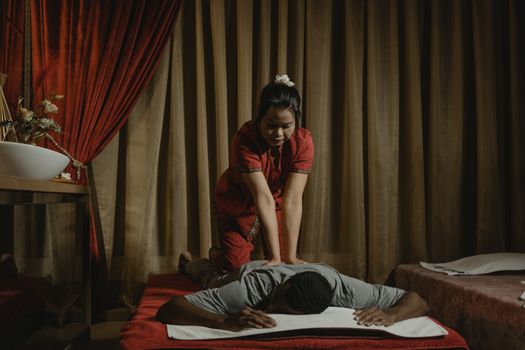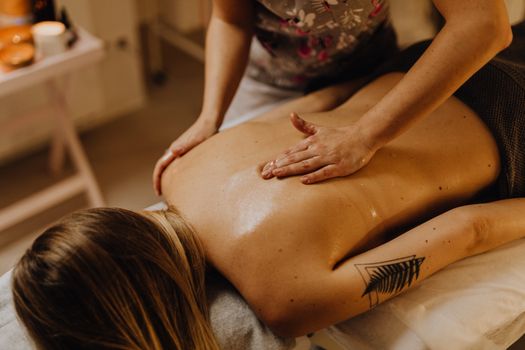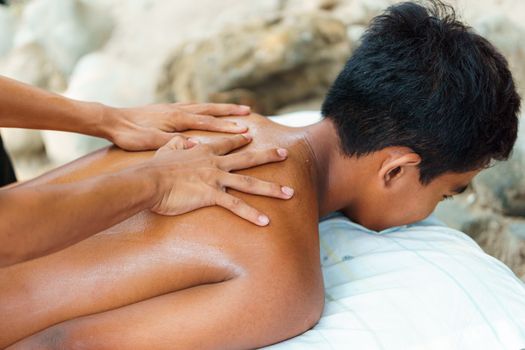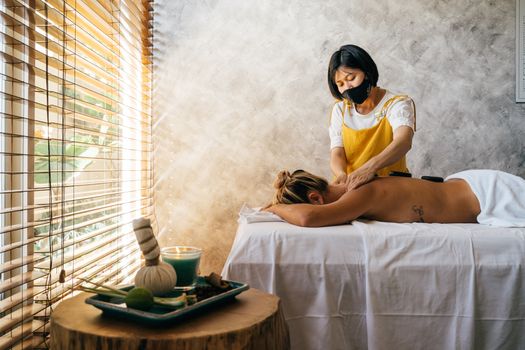
As we age, our bodies change in remarkable ways. Muscles may lose their elasticity, joints can become stiffer, and circulation often slows. Yet, the need for comfort, relaxation, and quality of life only grows with time. Massage therapy, a time-honored method for promoting health and wellbeing, stands out as an excellent tool for supporting seniors in their journey. However, giving a massage to an older adult is not a one-size-fits-all practice. Adapting massage techniques and procedures is crucial to ensure safety, comfort, and maximum benefit. This article explores how massage therapy can be tailored to meet the unique needs of seniors, offering practical insights, expert recommendations, and reassuring facts for caregivers, therapists, and families alike.
The Unique Needs of Seniors: Understanding the Aging Body
Aging brings about a host of changes that directly impact how massage should be performed. For example, after age 60, muscle mass can decrease by as much as 3-8% per decade, and skin loses about 1% of its collagen each year, leading to increased fragility. Seniors are also more likely to experience chronic conditions such as arthritis (affecting over 49% of adults 65 and older in the US) and osteoporosis, which affects nearly 10 million Americans, making bones more brittle.
These physiological differences mean that massage techniques used for younger adults may be too intense or inappropriate for older individuals. Safety becomes a central concern. For example, deep tissue pressure that might relieve tension in a younger client could cause bruising or discomfort in a senior. Furthermore, medications commonly prescribed for high blood pressure, diabetes, or blood thinners can alter tissue sensitivity and healing time.
.png)
Understanding these changes is the first step in adapting massage procedures for older adults. The goal shifts from vigorous, problem-focused treatments to gentle, nurturing sessions that prioritize relaxation, circulation, and pain relief.
Adapting Massage Techniques: Gentle Touches, Profound Results
The foundation of senior massage is a gentle, respectful approach. Here are key adaptations therapists make for older adults:
1. $1: Light to moderate pressure reduces the risk of bruising and injury. Swedish massage, which uses long, flowing strokes, is often preferred over deep tissue work. 2. $1: Seniors may have less tolerance for long massages. Sessions often last 30-45 minutes instead of a full hour. 3. $1: Pillows, bolsters, and adjustable tables help support joints and prevent strain. Some seniors prefer receiving massage while seated or lying on their side. 4. $1: Extra caution is taken around joints affected by arthritis, areas with thin skin, or where bones are prominent due to muscle loss. 5. $1: Checking in frequently during the session ensures the client feels safe and comfortable.For example, a therapist might use gentle effleurage (stroking) on the legs to encourage circulation while avoiding kneading on bony knees or swollen ankles. Passive range-of-motion movements can help maintain joint flexibility without overexertion.
Tailoring Massage Procedures to Common Senior Conditions
Many seniors live with chronic health conditions that influence how massage is delivered. Let’s consider three common scenarios:
- $1: Gentle massage can reduce pain, increase mobility, and reduce swelling. The therapist avoids direct pressure on inflamed joints, instead working around them to relax surrounding muscles. - $1: With increased bone fragility, deep pressure is contraindicated. Only the lightest of strokes are used, and therapist avoids any pounding, tapping, or heavy kneading. - $1: For clients with heart conditions or on blood thinners, avoiding vigorous techniques that could dislodge blood clots or cause bruising is essential.Below is a comparison table outlining how massage adaptations vary based on common senior conditions:
| Condition | Recommended Adaptations | Techniques to Avoid |
|---|---|---|
| Arthritis | Light effleurage, gentle stretching, focus around (not on) joints | Deep pressure on inflamed joints, aggressive kneading |
| Osteoporosis | Feather-light strokes, supportive positioning | Any deep tissue, tapping, heavy compression |
| Cardiovascular Disease | Shorter sessions, moderate pressure, avoid rapid movements | Vigorous friction, lymphatic drainage without physician approval |
| Diabetes | Monitor skin for wounds, gentle touch, avoid feet if neuropathy exists | Strong pressure on numb areas, aggressive manipulation |
| Parkinson’s Disease | Slow, rhythmic movements, calming environment | Sudden changes in pressure or position |
Practical Steps for Safe and Effective Senior Massage
Adapting massage for seniors isn’t just about technique. The environment, initial assessment, and aftercare all play a vital role. Here is a safe, step-by-step approach:
1. $1: Before any session, conduct a thorough health history. Ask about medical conditions, medications, recent surgeries, and skin health. 2. $1: Always explain what will happen and get clear consent. Encourage feedback during and after the session. 3. $1: Ensure the room is warm, well-lit, and easily accessible. Use sturdy furniture and non-slip mats to prevent falls. 4. $1: Aging skin is thinner and heals more slowly. Wash hands thoroughly, use hypoallergenic massage oils, and avoid over-manipulating fragile skin. 5. $1: Help the client transition slowly from lying down or sitting up to avoid dizziness or falls—a common risk due to postural hypotension in seniors.Case in point: In a 2022 survey by the American Massage Therapy Association, 35% of therapists reported adapting their space and session structure specifically for older adults, highlighting the importance of the overall experience—not just the hands-on work.
The Benefits of Massage for Seniors: More Than Just Relaxation
While relaxation is a major benefit, massage offers seniors much more:
- $1: Gentle massage boosts blood flow, helping bring nutrients to tissues and remove waste, which is especially important as circulation slows with age. - $1: A 2019 study found that weekly massage sessions reduced chronic pain by up to 25% in seniors with arthritis. - $1: Seniors often struggle with insomnia. Massage can increase serotonin and melatonin, the hormones responsible for restful sleep. - $1: Human touch is a powerful antidote to loneliness. Massage can lower cortisol (the stress hormone) and increase feelings of wellbeing. - $1: Passive range-of-motion movements and gentle stretching can help maintain flexibility and prevent joint contractures.For example, a senior living community in Florida introduced a weekly massage program, and within three months, residents reported a 30% reduction in reported pain levels and a noticeable improvement in mood and social engagement.
Training and Certification: Ensuring Quality Care for Older Adults
Not every massage therapist is trained to work with seniors. Specialized training programs, such as those offered by the National Certification Board for Therapeutic Massage & Bodywork (NCBTMB), focus on the unique anatomical, physiological, and emotional needs of older clients.
Therapists learn about age-related diseases, medication interactions, and the psychological aspects of aging. In 2023, over 8,000 therapists in the US reported having advanced certification in geriatric massage, reflecting growing awareness of this specialty.
Families and caregivers should always ask about a therapist's background and credentials when booking a massage for an older loved one. Qualified therapists will be open to communication, attentive to concerns, and proactive in adapting their procedures.
Final Thoughts on Adapting Massage for Seniors
Massage can be a gentle, powerful ally in promoting health and happiness among seniors. But the key is adaptation—respecting the unique needs, conditions, and preferences that come with age. By choosing the right techniques, creating a safe environment, and working with trained professionals, seniors can enjoy the profound benefits of massage with peace of mind. Whether for relaxation, pain management, or simply the comfort of caring touch, adapted massage techniques open doors to a better quality of life in our later years.