The Power of Touch: Top 10 Massage Techniques for Deep Relaxation
There’s nothing quite like the sense of calm that sweeps over you after a great massage. Whether in a tranquil spa or at home, massage is more than just a luxurious treat; it’s a powerful tool for relaxation, stress reduction, and overall wellness. With the world becoming increasingly fast-paced, the demand for techniques that help us unwind has soared—global massage therapy revenues topped $18 billion in 2023, according to the American Massage Therapy Association. But with so many modalities available, which massage techniques are truly the best for relaxation?
Let’s explore the top 10 massage techniques that deliver profound relaxation, their unique benefits, and how you can choose the right one for your needs.
What Makes a Massage Technique Relaxing?
To understand why certain massage techniques excel at relaxation, it’s important to consider both physiological and psychological effects. Relaxation-focused massages generally aim to:
.png) - Calm the nervous system and reduce cortisol (stress hormone) levels
- Promote the release of endorphins and serotonin, natural mood boosters
- Improve blood flow and lymphatic drainage
- Loosen tense muscles and ease chronic pain
- Calm the nervous system and reduce cortisol (stress hormone) levels
- Promote the release of endorphins and serotonin, natural mood boosters
- Improve blood flow and lymphatic drainage
- Loosen tense muscles and ease chronic pain
Numerous studies support the benefits: a 2022 review in the International Journal of Therapeutic Massage & Bodywork found that regular massage can lower anxiety by up to 28% and improve sleep quality by 42% in adults.
The ideal technique for relaxation often uses gentle-to-moderate pressure, slow rhythmic strokes, and a soothing environment. Let’s delve into the top 10 techniques that therapists and clients alike swear by.
1. Swedish Massage: The Classic Choice
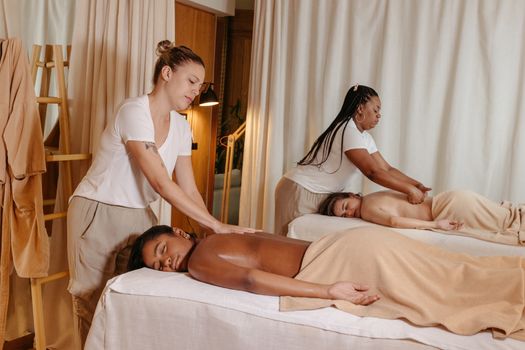
Swedish massage is the most popular and widely recognized style in the Western world, with 54% of Americans who received a massage in 2023 choosing this method. Designed specifically for relaxation, it uses long, gliding strokes, gentle kneading, and circular movements on the topmost layers of muscles.
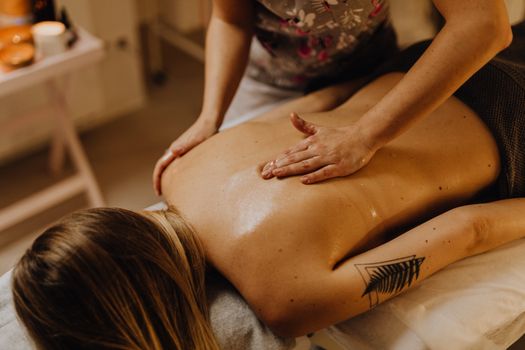
Key features: - Long, flowing effleurage strokes - Gentle to medium pressure - Incorporates kneading, friction, and tapping techniquesSwedish massage is ideal for first-timers and anyone seeking full-body relaxation without deep pressure. It’s also been shown to reduce heart rate and blood pressure after just one session.
2. Aromatherapy Massage: Engaging the Senses
Combining the power of touch with the calming influence of essential oils, aromatherapy massage is a multisensory relaxation experience. Oils like lavender, chamomile, and sandalwood are proven to enhance relaxation and alleviate anxiety.
How it works: - Swedish or light massage strokes are used - Essential oils are diffused or applied to the skin - Customizable to target stress, insomnia, or moodA 2021 study in the Journal of Alternative and Complementary Medicine found that aromatherapy massage reduced stress levels by 31% compared to massage alone. It’s an excellent choice for those who respond well to scent and want to deepen the sense of tranquility.
3. Hot Stone Massage: Melt Away Tension
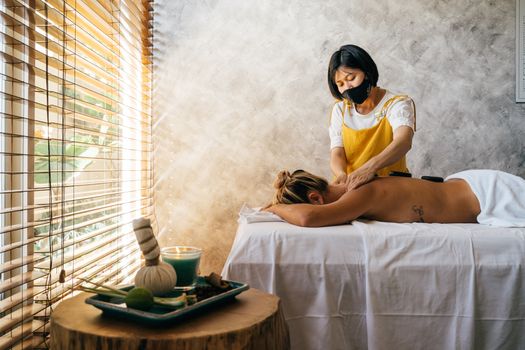
Hot stone massage uses smooth, heated basalt stones placed on key points of the body. The warmth penetrates deep into muscles, promoting intense relaxation and increasing circulation.
Main benefits: - Heat helps muscles relax efficiently, allowing for deeper work without strong pressure - Stones are used as a massage tool for gliding strokes - Particularly beneficial for people with chronic muscle tensionClients often report a profound sense of peace—one 2020 spa industry survey found 87% of participants rated hot stone massage as “extremely relaxing.”
4. Lomi Lomi: Hawaiian Healing Rhythms
Lomi Lomi, meaning “to knead, to rub, to soothe,” is an ancient Hawaiian technique characterized by long, flowing strokes using the therapist’s forearms and hands. Movements often mimic ocean waves, creating a continuous, rhythmic flow.
Distinctive features: - Emphasis on harmony and nurturing touch - Gentle, dance-like motions across the entire body - Focus on both physical and emotional relaxationLomi Lomi is excellent for those seeking a meditative, holistic relaxation experience that integrates body, mind, and spirit.
5. Shiatsu: Japanese Pressure Point Therapy
Shiatsu, which translates to “finger pressure,” is a Japanese technique rooted in Traditional Chinese Medicine. It involves rhythmic pressing, tapping, and stretching along meridian lines to balance energy (Qi) and encourage relaxation.
Key points: - Uses thumbs, fingers, and palms for pressure - No oils used; usually performed through clothing - Especially helpful for stress, fatigue, and headachesIn a 2019 Japanese clinical trial, Shiatsu was found to reduce anxiety by 22% and improve sleep in over 68% of participants. Shiatsu provides deep relaxation while gently stimulating the body’s energy flow.
6. Thai Massage: Dynamic and Restorative
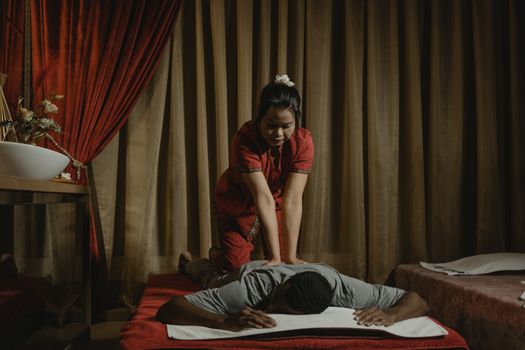
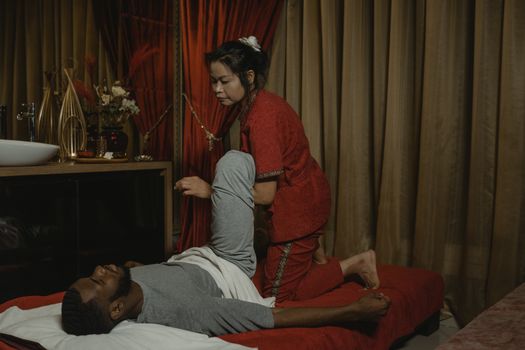
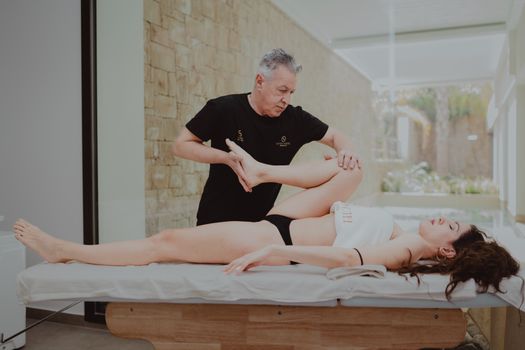
Thai massage is often called “lazy yoga” because it combines assisted stretching, acupressure, and rhythmic compression. Unlike most forms, Thai massage is performed on a mat, fully clothed, and without oils.
Highlights: - Therapist uses hands, elbows, knees, and feet - Increases flexibility while deeply relaxing the body - Promotes energy flow and relieves muscle tensionWhile dynamic, Thai massage can be profoundly relaxing, especially for those who enjoy stretching and movement as part of stress relief.
7. Reflexology: Relaxation Through the Feet
Reflexology is based on the concept that specific points on the feet, hands, and ears correspond to organs and systems throughout the body. Gentle pressure is applied to these areas to trigger deep relaxation and balance.
Essentials: - Focuses mostly on feet, sometimes hands and ears - Uses thumb-walking and gentle pressure techniques - Often chosen by those who prefer not to undressA 2023 meta-analysis in Complementary Therapies in Medicine found that reflexology reduced stress and improved quality of life scores in 75% of participants.
8. Craniosacral Therapy: Subtle, Profound Relaxation
Craniosacral therapy uses extremely gentle touch—no more than the weight of a nickel—along the head, neck, and spine. The goal is to release restrictions in the craniosacral system, which can calm the nervous system and promote relaxation.
Salient points: - Very light, non-invasive touch - Focus on the skull, spine, and sacrum - Many clients report a “floating” sensation and deep calmWhile scientific research is ongoing, many people with chronic stress or trauma histories find craniosacral therapy particularly soothing.
9. Balinese Massage: Tropical Tranquility
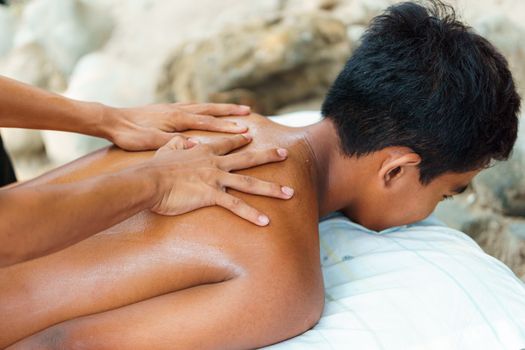
Originating from Bali, Indonesia, Balinese massage blends gentle stretches, acupressure, reflexology, and aromatherapy for a deeply relaxing experience.
Unique elements: - Combines several techniques for muscle relaxation and improved circulation - Uses essential oils with rhythmic, flowing strokes - Often described as both invigorating and calmingBalinese massage is ideal for those who want to escape to a tropical state of mind and experience a blend of relaxation traditions.
10. Head, Neck, and Shoulder Massage: Quick Stress Relief
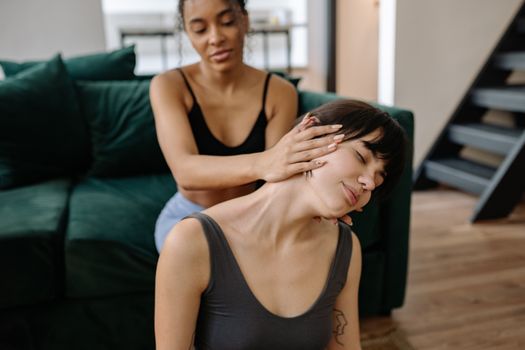
Sometimes, all you need is targeted relaxation. Head, neck, and shoulder massage focuses on relieving the tension that accumulates in these areas due to desk work, stress, or poor posture.
Benefits: - Can be performed seated and over clothing - Uses kneading, circular, and pressure point techniques - Effective for rapid relief of headaches and muscle tightnessEven a 15-minute session can dramatically reduce perceived stress—according to a 2022 workplace wellness study, 62% of office workers reported improved relaxation after a brief neck and shoulder massage.
Comparing Relaxation Massage Techniques
With so many options, how do you choose the right massage for relaxation? Here’s a comparative overview of the top techniques:
| Technique | Pressure Level | Main Benefits | Best For |
|---|---|---|---|
| Swedish | Light to Medium | Full-body relaxation, improved circulation | Beginners, general stress relief |
| Aromatherapy | Light to Medium | Sensory relaxation, mood enhancement | Scent lovers, stress/anxiety |
| Hot Stone | Medium | Deep muscle relaxation, warmth | Chronic tension, cold climate |
| Lomi Lomi | Light to Medium | Holistic, rhythmic relaxation | Mind-body harmony |
| Shiatsu | Medium to Firm | Energy balancing, stress relief | Fatigue, headaches, clothed massage |
| Thai | Medium to Firm | Flexibility, energy flow | Active relaxation, stretching |
| Reflexology | Light to Medium | Targeted relaxation, organ balance | Quick sessions, foot focus |
| Craniosacral | Very Light | Nervous system calming | Chronic stress, trauma recovery |
| Balinese | Medium | Comprehensive relaxation, circulation | Exotic experience seekers |
| Head/Neck/Shoulder | Light to Medium | Targeted tension release | Desk workers, headache relief |
Choosing the Best Massage Technique for Your Relaxation Needs
Selecting the right massage technique depends on your personal preferences, goals, and any health considerations. Here are a few guiding questions:
- Do you prefer gentle or firm pressure? - Are you seeking full-body relaxation or relief in a specific area? - Do you enjoy scents and oils, or prefer clothed techniques? - Are you comfortable with stretching and movement, or do you want to remain still?If you’re uncertain, Swedish massage is a safe, universally relaxing starting point. For those seeking deeper muscle relief without intense pressure, hot stone or Balinese massage are excellent. Aromatherapy and craniosacral therapy benefit those sensitive to touch or scent. And for desk-bound workers, focused head, neck, and shoulder massages can deliver instant relaxation.
Always communicate your preferences and any health conditions to your massage therapist before your session.
Relaxation Beyond the Table: Maximizing the Benefits of Massage
Massage provides more than momentary tranquility—it can be a powerful part of your ongoing self-care routine. To extend the relaxation benefits:
- Stay hydrated after your massage to help flush out toxins - Allow yourself time to rest or nap post-session, especially after deep relaxation modalities - Incorporate mindfulness techniques, like deep breathing, during and after your massage - Schedule regular sessions—monthly or biweekly massages have been shown to sustain lower stress levels over timeRemember, relaxation is not a luxury but a necessity for your physical and mental well-being.