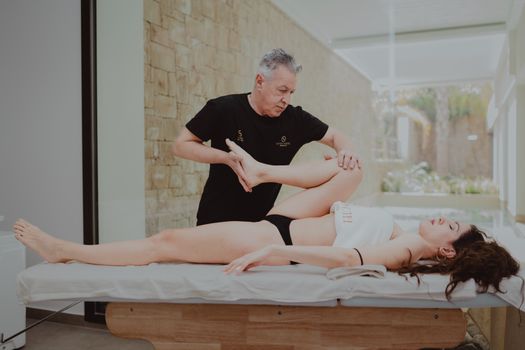
Massage therapy has been practiced for thousands of years, but only recently has science begun to unravel how and why it delivers such a broad spectrum of health benefits. Modern research provides compelling evidence for the physiological and psychological mechanisms triggered by skilled touch. From easing muscle soreness to reducing anxiety, massage therapy’s impact goes far beyond simple relaxation. Let’s dive into the fascinating science behind massage therapy’s health benefits, examining exactly how it works and what you can expect, all backed by current research and statistics.
The Biological Mechanics: How Massage Affects the Body
At the most fundamental level, massage therapy involves the manipulation of muscles and soft tissues. But what actually happens inside your body when a therapist applies pressure, kneads, or strokes your skin?
1. $1 Numerous studies demonstrate that massage increases circulation. A 2014 study in the journal $1 found that even a brief 10-minute massage boosted local blood flow by up to 50%. Enhanced circulation delivers more oxygen and nutrients to tissues, accelerating healing and reducing muscle fatigue. 2. $1 Research shows that massage can decrease inflammatory cytokines—proteins that signal the body’s immune system to ramp up inflammation. In a 2012 study published in $1, a single 10-minute massage session after exercise reduced these markers and increased mitochondria production, which is crucial for cell repair and energy. 3. $1 Massage affects muscle spindles and Golgi tendon organs—sensory receptors involved in muscle control. Through these effects, massage can decrease painful muscle tightness and spasm, restoring normal range of motion. 4. $1 The touch and pressure of massage stimulates the release of neurotransmitters such as endorphins, serotonin, and dopamine. These “feel-good” chemicals help regulate mood, reduce pain perception, and promote general well-being.Hormonal and Nervous System Responses
Massage therapy doesn’t just act on muscles—it has profound effects on the hormonal and nervous systems. Here’s how:
.png) - $1 Chronic stress elevates cortisol, the body’s primary stress hormone. High cortisol is linked to anxiety, insomnia, digestive issues, and even heart disease. Multiple studies, including a meta-analysis in the $1, show that massage can lower cortisol levels by as much as 31% after a single session.
- $1 The body has two main nervous system branches: sympathetic (“fight or flight”) and parasympathetic (“rest and digest”). Massage stimulates the parasympathetic system, slowing heart rate and breathing, and promoting deep relaxation. This state supports healing, digestion, and immune function.
- $1 Sometimes called the “cuddle hormone,” oxytocin is released during nurturing touch. According to a 2010 study in $1, massage increases oxytocin, which helps foster trust, bonding, and a sense of calm.
- $1 Chronic stress elevates cortisol, the body’s primary stress hormone. High cortisol is linked to anxiety, insomnia, digestive issues, and even heart disease. Multiple studies, including a meta-analysis in the $1, show that massage can lower cortisol levels by as much as 31% after a single session.
- $1 The body has two main nervous system branches: sympathetic (“fight or flight”) and parasympathetic (“rest and digest”). Massage stimulates the parasympathetic system, slowing heart rate and breathing, and promoting deep relaxation. This state supports healing, digestion, and immune function.
- $1 Sometimes called the “cuddle hormone,” oxytocin is released during nurturing touch. According to a 2010 study in $1, massage increases oxytocin, which helps foster trust, bonding, and a sense of calm.
Clinical Evidence: Massage Therapy in Specific Health Conditions
Scientific investigations have moved beyond anecdotal reports to focus on how massage aids in managing specific medical conditions. Here are some of the most well-documented areas:
| Condition | Massage Therapy Benefits | Key Research Findings |
|---|---|---|
| Chronic Pain (e.g., back pain, neck pain) | Reduces pain intensity and improves function | A 2015 review in $1 showed significant pain relief in 60% of participants receiving regular massage. |
| Anxiety & Depression | Decreases symptoms, improves mood | Meta-analysis in $1 found massage reduced anxiety by up to 50% in some studies. |
| Sports Injuries | Speeds recovery, reduces inflammation | Studies report 30% faster recovery times in athletes receiving post-activity massage. |
| Cancer Symptom Management | Reduces pain, nausea, and fatigue | Research in $1 found massage reduced pain by 42% in cancer patients. |
| Insomnia | Improves sleep quality and duration | Studies show up to a 28% improvement in sleep scores after four weeks of massage. |
These figures highlight that massage therapy is not simply a placebo. Its measurable effects are supported by robust, peer-reviewed research.
The Role of Pressure, Technique, and Frequency
Not all massage is created equal. The specific techniques, amount of pressure, and frequency of sessions can dramatically influence outcomes.
- $1 Light touch has been shown to be effective for anxiety and stress reduction, while deeper pressure is typically more beneficial for chronic muscle pain. A 2017 study in $1 found that moderate pressure produced greater reductions in anxiety and heart rate than light touch. - $1 Techniques such as Swedish massage, deep tissue, myofascial release, and trigger point therapy all affect the body differently. For example, myofascial release targets the fascia (connective tissue), which can improve mobility and reduce chronic pain not addressed by traditional muscle-focused methods. - $1 Regular massage produces cumulative benefits. According to the American Massage Therapy Association, weekly sessions offer significant improvements in chronic pain and anxiety symptoms compared to sporadic treatments.The Mind-Body Connection: Psychological Benefits Explained
While the physical effects of massage are impressive, its mental health benefits are equally profound. Here’s what science reveals about the mind-body connection:
1. $1 A 2020 survey by the National Center for Health Statistics found that nearly 9% of adults used massage therapy for stress relief. Participants reported a 40% reduction in perceived stress after a month of regular sessions. 2. $1 Studies using brain imaging show that massage therapy can reduce activity in the amygdala, the brain’s “fear center,” while increasing activity in regions associated with positive mood and emotional control. 3. $1 For individuals with PTSD or emotional trauma, massage can help re-establish a sense of safety and body ownership, according to a 2018 $1 paper. 4. $1 The physical sensation of touch can bring attention to areas of tension or pain that may have been ignored, promoting greater self-awareness and proactive self-care.Massage Therapy vs. Other Complementary Treatments: A Comparative View
Massage therapy often gets compared to other complementary health approaches like acupuncture, chiropractic care, or physical therapy. How does it stack up?
| Treatment | Main Focus | Key Benefits | Best For |
|---|---|---|---|
| Massage Therapy | Soft tissue manipulation | Stress relief, pain reduction, improved circulation, relaxation | Muscle pain, stress, anxiety, general wellness |
| Acupuncture | Stimulation of energy points | Pain relief, reduction of inflammation, balancing energy flow | Chronic pain, migraines, allergies, digestive issues |
| Chiropractic Care | Spinal adjustment | Improved spinal alignment, pain relief, posture correction | Back pain, neck pain, joint issues |
| Physical Therapy | Targeted exercises and rehab | Injury recovery, mobility improvement, strength building | Post-injury rehab, chronic mobility issues |
Massage therapy’s unique combination of physiological and psychological benefits makes it an excellent standalone or complementary option, especially for those seeking both immediate relief and long-term wellness.
Why Understanding the Science Behind Massage Therapy Matters
The science behind massage therapy’s health benefits is robust and continues to grow. Understanding these mechanisms isn’t just interesting for health professionals—it empowers anyone seeking better well-being. When you know how massage impacts your blood flow, immune response, hormones, and mental state, you can make more informed choices about your health care.
Research supports that regular massage therapy can reduce pain by over 50% in many cases, lower cortisol by nearly a third, and improve sleep and mood by substantial margins. Whether you’re managing a chronic condition, recovering from injury, or simply looking for ways to better manage stress, the biological and psychological effects of massage therapy are clear.