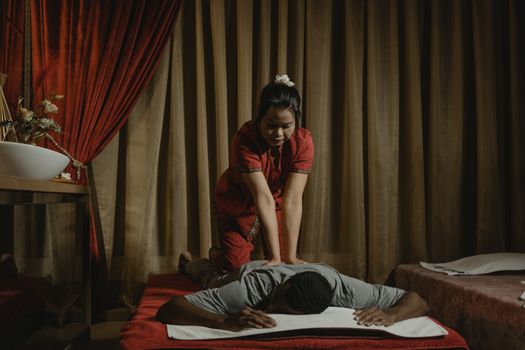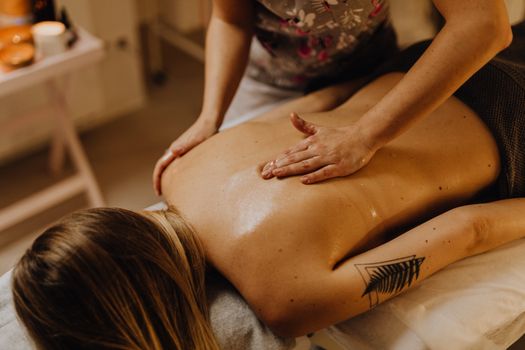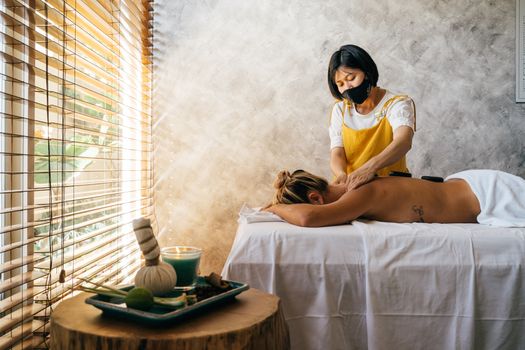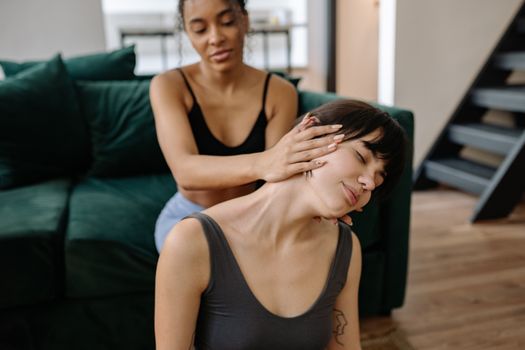
As we age, our bodies undergo a series of physical, emotional, and mental changes. Seniors, in particular, face unique health challenges that can impact their quality of life, including chronic pain, reduced mobility, stress, and sleep disturbances. Amid these changes, regular massage therapy emerges as a powerful, non-invasive tool to promote overall well-being and graceful aging. While massage is often thought of as a luxury, mounting research shows it can be a vital component of senior health care, offering wide-ranging benefits that extend far beyond simple relaxation.
Understanding the Unique Needs of Seniors
Aging is accompanied by physiological changes such as decreased muscle mass, joint stiffness, and impaired circulation. According to the Centers for Disease Control and Prevention (CDC), nearly 80% of adults aged 65 and older have at least one chronic condition, and 68% have two or more. Common issues include arthritis, hypertension, diabetes, and osteoporosis, which can all contribute to pain, reduced mobility, and a diminished sense of independence.
Seniors are also more prone to feelings of isolation and depression, especially if they live alone or have limited contact with family. Emotional well-being is just as important as physical health, and interventions that address both can significantly improve a senior’s quality of life.
.png)
Regular massage therapy, tailored to the specific needs and limitations of older adults, has been shown to address many of these challenges. By understanding how massage interacts with the aging body, families and caregivers can make informed decisions about incorporating this therapeutic practice into a senior's wellness routine.
How Massage Therapy Supports Physical Health in Seniors
The physical benefits of massage for seniors are both immediate and cumulative. One of the most compelling effects is pain relief. A review published in the journal Pain Medicine found that massage therapy can reduce pain by an average of 30% in chronic pain conditions, which is highly relevant for seniors who often suffer from arthritis, back pain, and neuropathy.
Another key advantage is improved circulation. As we age, blood flow naturally declines, contributing to slower healing, cold extremities, and a higher risk of blood clots. Massage stimulates the circulatory system, helping to deliver oxygen and nutrients more efficiently throughout the body. This effect is particularly beneficial for those with diabetes, as improved circulation can aid in wound healing and reduce complications.
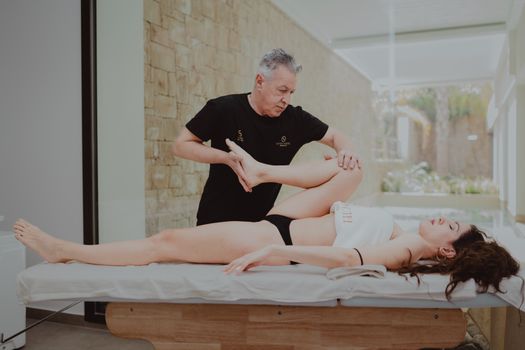
Flexibility and joint mobility also tend to decrease in older adults. Gentle massage techniques, such as Swedish massage or geriatric massage, can help maintain range of motion by reducing muscle stiffness and promoting relaxation. For seniors recovering from surgery or dealing with limited movement, regular massage can be a crucial part of rehabilitation, helping to prevent muscle atrophy and maintain independence.
Mental and Emotional Benefits: Combating Loneliness and Depression
Beyond the physical, massage therapy offers profound mental and emotional benefits for seniors. According to the National Institute of Mental Health, approximately 15-20% of seniors experience symptoms of depression, often related to chronic illness, loss of loved ones, or social isolation.
Human touch is a powerful antidote to loneliness. Even brief, gentle contact can trigger the release of endorphins and oxytocin, hormones associated with happiness and bonding. Massage provides a safe, nurturing environment for positive touch, which can help reduce anxiety, improve mood, and promote a sense of connectedness.
A study published in the International Journal of Neuroscience found that elderly individuals who received regular massage therapy reported significantly lower levels of anxiety and depression compared to those who did not. Additionally, seniors who participate in massage programs often report feeling more relaxed, less agitated, and better able to cope with the stresses of aging.
Enhancing Sleep Quality and Reducing Insomnia
Sleep disturbances are common among older adults, with studies suggesting that up to 50% of people over 65 report problems falling or staying asleep. Poor sleep can exacerbate other health issues, including memory loss, depression, and weakened immune function.
Massage therapy has been shown to be an effective, drug-free intervention for improving sleep quality in seniors. By lowering cortisol (the stress hormone) and increasing serotonin, massage helps to induce a state of deep relaxation, making it easier to fall asleep and stay asleep throughout the night. In one clinical trial published in the Journal of Clinical Nursing, seniors who received weekly massages experienced up to 60% fewer nighttime awakenings and reported higher overall sleep satisfaction.
Massage vs. Other Non-Pharmacological Interventions for Seniors
How does massage compare to other common non-pharmacological interventions for seniors, such as physical therapy, yoga, or acupuncture? The following table summarizes key differences and highlights where massage therapy excels.
| Intervention | Primary Focus | Accessibility | Immediate Benefits | Suited for Limited Mobility |
|---|---|---|---|---|
| Massage Therapy | Pain relief, relaxation, circulation | High (can be home-based) | Yes (pain relief, relaxation) | Yes |
| Physical Therapy | Rehabilitation, strength, mobility | Moderate (requires appointments/equipment) | No (requires ongoing effort) | Depends on program |
| Yoga | Flexibility, balance, mindfulness | Moderate (requires instruction, mobility) | No (gradual effects) | Limited (requires movement) |
| Acupuncture | Pain relief, energy balance | Moderate (requires specialist) | Sometimes (pain relief) | Yes |
Massage therapy stands out for its immediate benefits, high accessibility (even for those with limited mobility), and its ability to address both physical and emotional well-being simultaneously. While other interventions have their place, massage is uniquely versatile and easily adapted to the needs of most seniors.
Safety Considerations and Choosing the Right Massage for Seniors
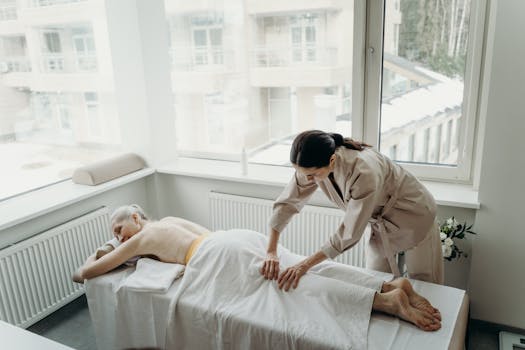
While massage offers many benefits, it is important to approach it with care, especially with older adults who may have fragile health. Not all types of massage are appropriate for seniors. Deep tissue or vigorous techniques can cause bruising or discomfort. Instead, geriatric massage—a gentle, modified approach—focuses on light pressure, slower movements, and careful attention to fragile skin or medical devices.
Before starting a massage program, it is essential to consult with a healthcare provider, especially if the senior has conditions like osteoporosis, deep vein thrombosis, or open wounds. Qualified massage therapists who specialize in senior care will take a thorough health history and tailor sessions to the individual's needs and comfort level.
Family members and caregivers can also be trained in basic massage techniques to provide safe, comforting touch at home. Even a brief hand or foot massage can have a positive impact, especially for those who are bedridden or have limited access to professional services.
Real-Life Stories: Seniors Thrive with Regular Massage
The benefits of regular massage for seniors aren't just supported by research—they're evident in real-life experiences. For example, a 78-year-old woman named Helen, who suffered from chronic arthritis pain, found that weekly massages reduced her reliance on pain medication by 40% over six months. Another senior, John, age 82, reported that regular massage sessions helped him regain enough mobility to return to gardening, a favorite hobby he had given up due to back pain.
These stories are echoed in long-term care facilities and senior centers across the country. According to a 2022 survey by the American Massage Therapy Association, 62% of seniors who received massage therapy reported improvements in their overall quality of life, including better sleep, mood, and energy levels. These outcomes highlight the transformative power of touch and the importance of holistic approaches to aging.
Final Thoughts on the Benefits of Regular Massage for Seniors
Regular massage therapy offers seniors a host of benefits, supporting physical health, emotional well-being, and a higher quality of life. By addressing pain, enhancing circulation, reducing anxiety, and improving sleep, massage can help seniors stay active, independent, and connected. As part of a comprehensive wellness plan, massage is a gentle, effective, and accessible tool for graceful aging.
With careful consideration of individual health needs and preferences, massage can be safely incorporated into the lives of most seniors—whether through professional therapists or simple, caring touch from family members. As the population ages, recognizing the value of massage for seniors is a step toward healthier, happier golden years.