Finding Calm: Achieving Relaxation through Different Types of Massage
In today’s fast-paced world, stress and tension have become an almost unavoidable part of daily life. The quest for relaxation is more urgent than ever, and massage therapy stands out as one of the most effective, natural solutions. But not all massages are created equal. There are many types, each offering a unique path to relaxation and well-being. Whether you’re seeking relief from chronic stress, hoping to soothe sore muscles, or simply want to quiet your mind, understanding the different types of massage can help you find the perfect match for your needs.
This comprehensive guide explores how various massage techniques work to promote relaxation, the science behind their calming effects, and how to choose the right massage for your personal wellness journey.
The Science Behind Massage and Relaxation
Relaxation is more than just a feeling—it’s a physiological state that brings measurable benefits for both mind and body. When you receive a massage, several things happen at once:
.png) - Your parasympathetic nervous system, responsible for the body’s "rest and digest" response, is activated.
- Levels of stress hormones like cortisol drop, while feel-good hormones such as serotonin and dopamine increase.
- Blood circulation improves, allowing more oxygen and nutrients to reach cells and tissues.
- Muscles relax, relieving tension and reducing pain.
- Your parasympathetic nervous system, responsible for the body’s "rest and digest" response, is activated.
- Levels of stress hormones like cortisol drop, while feel-good hormones such as serotonin and dopamine increase.
- Blood circulation improves, allowing more oxygen and nutrients to reach cells and tissues.
- Muscles relax, relieving tension and reducing pain.
A 2020 study published in the Journal of Clinical Medicine found that just one session of massage therapy could lower heart rate and blood pressure by up to 7%, indicating a significant shift toward relaxation. Furthermore, the American Massage Therapy Association reports that 88% of individuals consider massage beneficial for their overall health and well-being, particularly for reducing stress.
But how do different types of massage achieve these results? The answer lies in the techniques, pressure, and intention behind each style.
Swedish Massage: The Classic Route to Relaxation
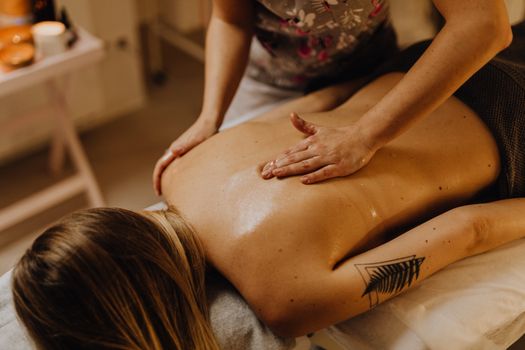
Swedish massage is perhaps the most widely recognized and requested form of massage worldwide. Designed specifically to promote relaxation, it involves long, flowing strokes, kneading, and gentle circular movements on the topmost layers of muscles.
Key features of Swedish massage include:
- Light to moderate pressure, ideal for those new to massage or sensitive to deep work - Use of massage oil or lotion to minimize friction - Focus on calming the nervous system and enhancing overall well-beingA 2018 survey conducted by the American Massage Therapy Association found that 65% of clients chose Swedish massage for its relaxation benefits. The gentle techniques not only relax muscles but also help lull the mind into a state of ease, making it an excellent choice for anyone experiencing mental or emotional stress.
Swedish massage is particularly effective for:
- Lowering anxiety and promoting mental clarity - Easing mild muscle tension from daily stress - Improving sleep qualityDeep Tissue Massage: Relaxation through Tension Release
While Swedish massage targets surface tension, deep tissue massage goes further. Using slow strokes and firm pressure, therapists work deep into the muscles and connective tissues to release chronic tension.
Some may not associate deep tissue massage with relaxation, especially since it can sometimes be intense. However, for people with persistent muscle knots or stress-related pain, releasing these tension points can bring profound relief and a lasting sense of calm.
According to the National Institutes of Health, deep tissue massage is associated with a 40% reduction in perceived pain and stress after just three sessions. This makes it a favorite among athletes and those with physically demanding lifestyles.
Deep tissue massage is best for:
- Releasing chronic muscle tension and knots - Relieving stress stored in the body - Promoting a deep, restorative state of relaxation after initial discomfortHot Stone Massage: Harnessing the Power of Heat
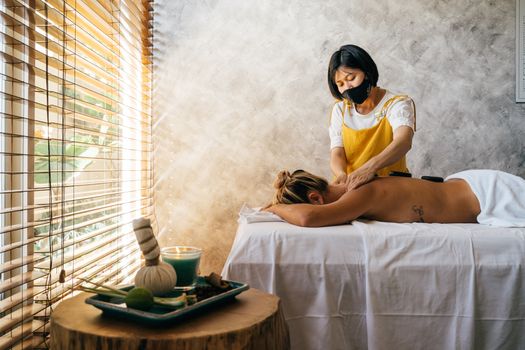
One of the most soothing and luxurious forms of massage, hot stone massage combines traditional techniques with the gentle warmth of smooth, heated stones. The stones are placed on key points of the body and used to massage muscles, their heat penetrating deeply to relax tight areas.
Hot stone massage offers unique relaxation benefits:
- The heat increases blood flow, soothing sore muscles and accelerating relaxation. - Gentle pressure and warmth help "melt" tension away. - The combination of heat and massage can reduce anxiety twice as effectively as Swedish massage alone, according to a 2015 study published in Complementary Therapies in Clinical Practice.This style is especially good for:
- People who feel chilly or have poor circulation - Those seeking a deeply comforting, nurturing experience - Reducing both physical and emotional stress simultaneouslyShiatsu and Thai Massage: Relaxation through Holistic Balance
Shiatsu and Thai massage both originate from Eastern traditions and focus on balancing the body’s energy.
Shiatsu, a Japanese technique, uses gentle pressure from the fingers, thumbs, and palms along the body’s energy meridians. It’s performed without oil and often through clothing. Rather than working primarily on muscles, shiatsu aims to restore energetic harmony, which in turn promotes deep relaxation.
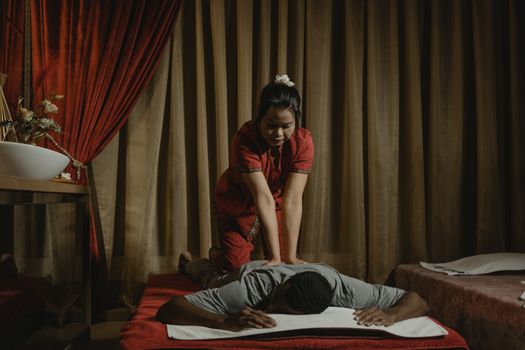
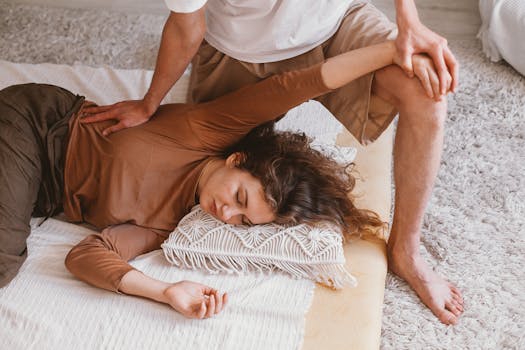
Thai massage, on the other hand, is sometimes called "yoga massage" because it involves assisted stretching and rhythmic compression. The therapist uses their hands, feet, knees, and elbows to stretch and massage the body, often moving you into yoga-like positions.
Both styles are known for:
- Reducing tension and anxiety by stimulating the body’s natural healing processes - Enhancing flexibility and range of motion - Promoting a profound sense of calm and centerednessA 2017 study in the Journal of Alternative and Complementary Medicine found that Thai massage reduced stress levels by up to 32% after just one session, while shiatsu is recommended by the European Shiatsu Federation for its calming effects on both the mind and body.
Aromatherapy Massage: Relaxation Enhanced by Scent
Aromatherapy massage incorporates essential oils derived from plants, flowers, and herbs to boost the calming effects of massage. The therapist selects oils based on your goals—lavender for relaxation, eucalyptus for clearing the mind, and so on.
The power of aromatherapy lies in the way scent affects the limbic system, the brain’s emotional center. Inhaling certain aromas during massage can:
- Lower anxiety levels by up to 40%, according to research from the International Journal of Neuroscience - Enhance mood and promote a sense of well-being - Improve sleep quality and reduce symptoms of mild depressionAromatherapy massage is especially suited to those who want to combine physical touch with the psychological benefits of scent.
Comparing Popular Massage Types for Relaxation
With so many options available, how do you decide which massage is right for your relaxation needs? The table below compares some of the most popular types based on pressure, techniques, and best uses:
| Massage Type | Pressure Level | Main Techniques | Best For |
|---|---|---|---|
| Swedish | Light to Moderate | Long strokes, kneading, circular motions | General relaxation, stress relief |
| Deep Tissue | Firm to Deep | Slow strokes, deep pressure | Chronic tension, muscle knots |
| Hot Stone | Light to Moderate | Heated stones, gentle pressure | Soothing sore muscles, deep comfort |
| Shiatsu | Gentle to Firm | Finger/thumb pressure, energy meridians | Balancing energy, holistic relaxation |
| Thai | Moderate to Firm | Stretching, compression, assisted yoga | Flexibility, energetic balance |
| Aromatherapy | Light to Moderate | Gentle massage with essential oils | Emotional stress, mood enhancement |
How to Choose the Right Massage for Your Relaxation Goals
Selecting the best type of massage depends on your personal preferences, physical needs, and relaxation objectives. Here are some key considerations:
- $1 If you prefer gentle, soothing touch, opt for Swedish or aromatherapy massage. If you need deep relief from tension, deep tissue or Thai may be more effective. - $1 For mental calm and emotional balance, shiatsu or aromatherapy are excellent. For physical relaxation and muscle relief, hot stone or deep tissue may be better. - $1 Always inform your therapist of any medical issues. Some types, like deep tissue, may not be suitable for everyone. - $1 If you’re uncomfortable with oils or undressing, shiatsu or Thai massage (usually done fully clothed) might be a good fit.Many spas offer combination massages, allowing you to experience the benefits of multiple techniques in one session. Don’t hesitate to ask your therapist for recommendations tailored to your unique needs.
The Lasting Impact: Embracing Relaxation through Massage
Achieving true relaxation isn’t just a luxury—it’s essential for maintaining overall health and well-being. Massage therapy offers a proven, enjoyable way to reach this state, with each style providing a distinct route to calm. Whether you prefer the gentle rhythm of Swedish massage, the deep release of tension from deep tissue, the nurturing warmth of hot stones, or the holistic energy of shiatsu or Thai, there is a massage for every relaxation seeker.
Remember, the benefits of massage are cumulative. Regular sessions can help lower chronic stress, improve sleep, boost mood, and enhance quality of life. In a world where stress is a constant companion, investing in relaxation through massage is one of the best self-care choices you can make.