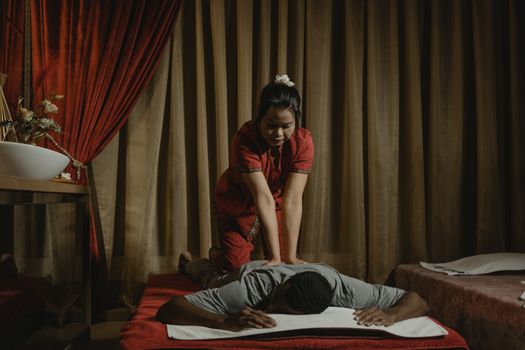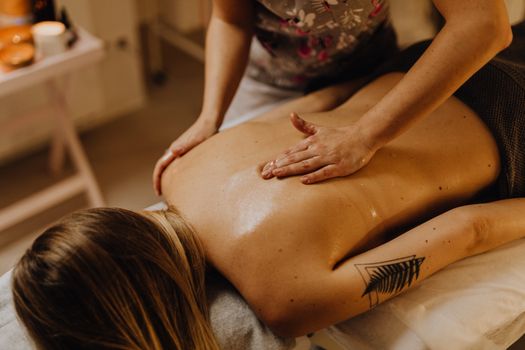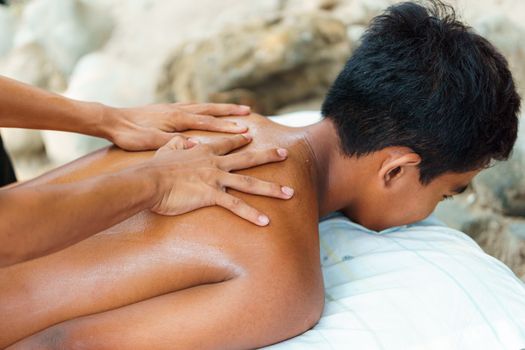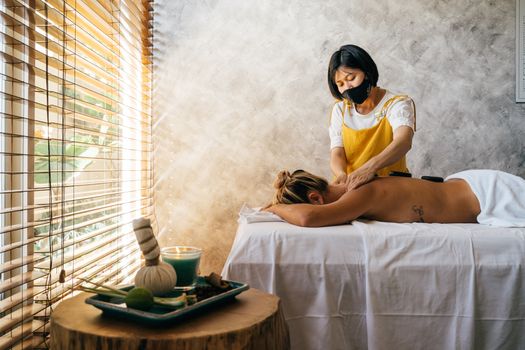
Athletes at all levels, from weekend warriors to Olympic champions, constantly push their bodies to the limit. The drive to improve performance, increase endurance, and recover quickly from intense training leaves little room for error — or neglect. While nutrition, hydration, and rest are widely recognized as vital, one element often stands out as the unsung hero in athletic success: massage therapy. But why, in the world of sports and high-level competition, is massage therapy not just a luxury, but an absolute essential?
The Science Behind Massage Therapy for Athletes
Understanding why massage therapy is essential for athletes begins with a look at the science. When athletes exercise, their muscles undergo microscopic damage, leading to soreness, stiffness, and sometimes injury. Massage therapy works by manually manipulating soft tissues, which has several documented physiological effects.
A study published in the Journal of Athletic Training found that athletes who received massage after strenuous exercise reported a 30% decrease in delayed onset muscle soreness (DOMS) compared to those who did not. Additionally, research from the University of Illinois at Chicago revealed that massage increases blood flow by up to 25%, helping deliver oxygen and nutrients to muscles and remove metabolic waste more efficiently.
.png)
On a hormonal level, massage is shown to lower cortisol (the stress hormone) and increase serotonin and dopamine, promoting relaxation and speeding up recovery. This biochemical reaction is why many athletes report feeling both physically rejuvenated and mentally refreshed after a session.
Injury Prevention: The Proactive Power of Massage
Prevention is always better than cure, especially in the athletic world where injuries can sideline careers. Regular massage therapy plays a crucial preventive role by maintaining muscle elasticity, reducing scar tissue, and identifying problem areas before they become severe.
For example, tight hamstrings or calves can put excessive strain on the knees and lower back, leading to overuse injuries. A skilled massage therapist can detect these tight spots early, address the tension, and advise athletes on stretches or strength exercises to maintain balance.
According to the National Athletic Trainers’ Association, athletes who incorporate massage into their routine experience 20-25% fewer injuries per season. This proactive approach not only keeps athletes in the game but also maximizes their training consistency and long-term performance.
Faster Recovery and Enhanced Performance
Recovery is where the magic happens — muscles rebuild, nerves reset, and the body adapts to become stronger. Massage therapy accelerates this process in multiple ways.
First, it reduces inflammation and swelling by promoting lymphatic drainage. In a 2012 study published in Science Translational Medicine, researchers discovered that massage after exercise decreases the production of cytokines (proteins linked to inflammation) while stimulating mitochondria in muscle cells, which aids in repair and growth.
Second, massage helps flush out lactic acid and other metabolic by-products, reducing muscle fatigue. As a result, athletes can return to training sooner and at higher intensities. This is especially crucial in sports with tight competition schedules, like tennis tournaments or multi-day cycling races.
To illustrate the difference, consider this comparison of recovery methods:
| Recovery Method | Average Reduction in DOMS (%) | Time to Full Recovery (Hours) |
|---|---|---|
| Massage Therapy | 30 | 24-48 |
| Active Rest (walking, light activity) | 15 | 48-72 |
| Ice Bath | 22 | 36-60 |
| Passive Rest | 10 | 72+ |
As the data shows, massage therapy outperforms both active rest and ice baths in accelerating recovery.
Mental Resilience: The Psychological Benefits of Massage for Athletes
Athletic performance isn’t just about physical prowess; it’s also a mental game. Stress, anxiety, and pressure to perform can hinder even the most physically prepared athletes. Massage therapy provides a safe space to decompress, refocus, and cultivate mental resilience.
A survey by the American Massage Therapy Association reported that 67% of athletes felt a significant decrease in anxiety and mental fatigue after massage sessions. The calming effect on the nervous system helps improve sleep quality, which is closely linked to reaction time, decision-making, and motivation.
Elite sports teams, such as those in the NBA and European soccer leagues, routinely employ massage therapists not only for injury care but to maintain team morale and psychological well-being. In high-stakes environments, the ability to manage stress and recover mentally can mean the difference between winning and losing.
Customizing Massage Techniques for Different Sports
Not all sports place the same demands on the body, and not all athletes benefit from the same type of massage. A tailored approach ensures that massage therapy meets the specific needs of each athletic discipline.
For instance: - Runners often require deep tissue work on the legs, hips, and lower back to address repetitive impact. - Swimmers benefit from techniques that focus on the shoulders, upper back, and arms, reducing the risk of rotator cuff injuries. - Cyclists need attention to the glutes, quads, and calves, which can become imbalanced from hours in a fixed posture. - Team sports athletes, such as soccer or basketball players, require a combination of sports massage and stretching to maintain joint flexibility and prevent muscle strains.Techniques can also be adjusted according to the training cycle. Pre-event massages are generally lighter, designed to stimulate and warm up muscles, while post-event or recovery massages are deeper to address soreness and promote healing.
Integrating Massage Therapy into an Athlete’s Routine
Making massage therapy a regular part of an athlete’s regimen maximizes its benefits. Experts recommend the following schedule:
- During intense training: 1-2 sessions per week - Pre-competition: 1 session 24-48 hours before the event - Post-competition: 1 session within 24 hours to accelerate recovery - Off-season or maintenance: 1 session every 2-4 weeksTop athletes such as Serena Williams and Tom Brady credit much of their longevity and performance to consistent massage therapy. Williams has publicly stated that weekly massages help her manage the rigors of the tennis circuit, while Brady incorporates massage into his daily recovery routine.
Even amateur athletes can benefit from this approach. A 2021 survey by Runner’s World found that recreational runners who received a massage at least once a month reported 40% fewer injuries and 30% faster recovery times compared to those who did not.
Why Massage Therapy Is a Game-Changer for Athletes
Massage therapy is far more than a feel-good indulgence for athletes — it’s a strategic tool that supports every aspect of performance. From injury prevention and faster recovery to mental resilience and sport-specific care, massage therapy integrates seamlessly into the life of any athlete striving for their best.
With proven benefits supported by science, and countless examples from the world’s top competitors, it’s clear that massage therapy is not just helpful — it is essential. By investing in regular sessions and working with skilled therapists, athletes can unlock new levels of performance, resilience, and longevity in their sporting careers.