Muscle tension is an all-too-common experience in our busy, modern lives. Whether it’s the result of long hours at a desk, intense workouts, stress, or even poor posture, tight muscles can lead to discomfort and reduced mobility. Fortunately, massage offers a powerful, natural method for easing muscle tension and restoring comfort. But not all massage techniques are created equal. Understanding the right approaches—and how they work—can help you target specific issues and achieve lasting relief.
This guide explores the science behind muscle tension, introduces a range of effective massage techniques, and provides practical advice for maximizing the benefits of massage at home or with a professional therapist. We’ll also compare the most popular techniques side by side, so you can make informed decisions about your muscle care.
The Science Behind Muscle Tension and Massage
Muscle tension occurs when muscles remain in a semi-contracted state for prolonged periods. This can be triggered by physical exertion, psychological stress, repetitive movements, or even dehydration. Over time, tension can restrict blood flow, cause pain, and limit flexibility.
.png)
Massage therapy addresses muscle tension through several mechanisms:
- Mechanical pressure loosens tight fibers and promotes circulation. - Increased blood flow delivers oxygen and nutrients, aiding recovery. - The physical touch stimulates endorphin release, reducing pain perception. - Manipulation of soft tissue can decrease levels of stress hormones like cortisol.A 2020 study published in the Journal of Clinical Medicine found that massage therapy reduced muscle soreness by 30% and improved range of motion by 15% in participants after just one session. This demonstrates just how effective targeted massage can be for relieving muscle tension.
Swedish Massage: Gentle Relief for Everyday Tension
Swedish massage is perhaps the most widely recognized technique worldwide. It uses long, gliding strokes, gentle kneading, and rhythmic tapping to relax the superficial layers of muscle. If you’re new to massage or experiencing general muscle tightness (rather than deep knots), Swedish massage offers a soothing introduction.
Key features of Swedish massage include:
- Effleurage: Long, sweeping strokes that warm up the tissue and stimulate circulation. - Petrissage: Gentle kneading to break up muscle adhesions and improve lymphatic drainage. - Tapotement: Light tapping or percussion, which energizes the muscles and nerves.Swedish massage is known for its calming effect, making it an ideal choice for those whose muscle tension is linked to stress or anxiety. According to the American Massage Therapy Association, over 50% of clients seeking massage for stress reduction choose Swedish massage as their preferred style.
Deep Tissue Massage: Targeting Persistent Knots and Chronic Tension
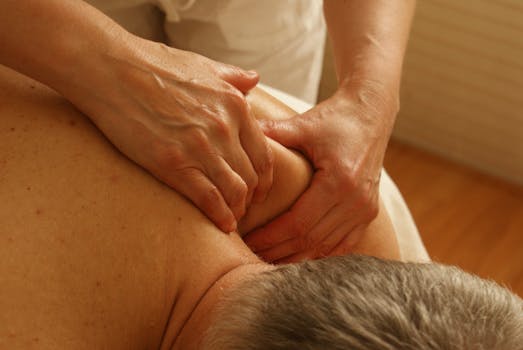
While Swedish massage focuses on relaxation and surface tension, deep tissue massage addresses chronic muscle problems. This technique uses slower, more forceful strokes to reach the deeper layers of muscle and connective tissue (fascia).
Deep tissue massage is particularly effective for:
- Chronic pain (such as lower back or shoulder pain) - Stubborn knots and adhesions - Recovery from muscle injuries or repetitive strainA 2014 study published in the journal PLOS ONE found that deep tissue massage reduced pain levels by 36% and improved function in individuals with chronic muscle pain. However, because it involves greater pressure, some people may experience soreness for a day or two after treatment.
Deep tissue massage is best performed by a professional therapist familiar with anatomy and trigger points, to avoid injury or excessive discomfort.
Trigger Point Therapy: Precision Relief for Localized Muscle Tension
Trigger points are small, hyperirritable spots within muscle tissue that cause pain locally or refer pain to other areas. They often feel like tiny knots under the skin and can be responsible for headaches, back pain, or even tingling sensations.
Trigger point therapy involves applying sustained pressure directly to these points, often using the therapist’s fingers, knuckles, or elbows. The pressure interrupts the pain-spasm-pain cycle, allowing the muscle to relax.
Common benefits include:
- Relief of persistent, localized pain - Improved mobility in affected areas - Reduced frequency of tension headaches (often caused by trigger points in the neck and shoulders)A 2018 review in the Journal of Bodywork and Movement Therapies found that trigger point therapy led to significant improvements in both pain intensity and muscle function in people suffering from myofascial pain syndrome.
Sports Massage: Active Recovery for Athletes and Active Individuals
Sports massage combines multiple techniques—including Swedish, deep tissue, and stretching—tailored to the needs of athletes and physically active people. The primary goals are to prevent injury, improve performance, and accelerate recovery.
Sports massage techniques include:
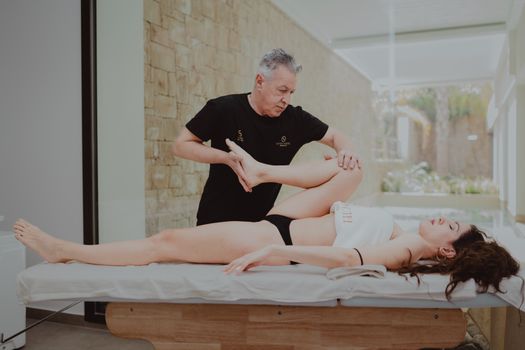
- Compression: Rhythmic pressing to increase blood flow and prepare muscles for activity. - Friction: Deep, circular movements to break down scar tissue and adhesions. - Assisted stretching: Passive stretches to improve flexibility and reduce post-exercise soreness.A 2016 meta-analysis in the International Journal of Sports Physical Therapy reported that regular sports massage reduced delayed-onset muscle soreness (DOMS) by up to 30% and improved flexibility by 19%. This makes it a powerful tool for both amateur and professional athletes.
Self-Massage Techniques: At-Home Relief for Everyday Muscle Tension
While professional massage offers many benefits, you can also relieve muscle tension at home using simple self-massage techniques and tools. Self-massage is especially useful for maintaining comfort between professional sessions or when dealing with mild to moderate tension.
Popular self-massage methods include:
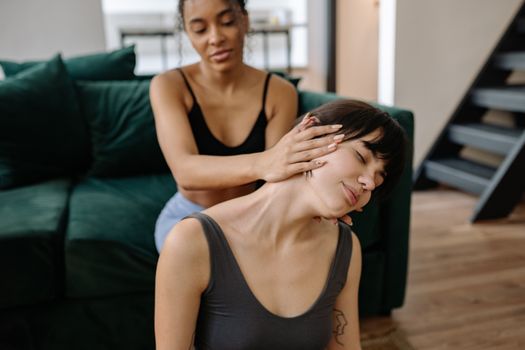
- Foam rolling: Using a cylindrical foam roller to apply pressure to large muscle groups like the thighs, calves, and back. Research shows foam rolling can reduce muscle soreness by 20-40% and improve flexibility. - Trigger point balls: Small, firm balls (such as tennis balls) are ideal for reaching deep knots in the shoulders, glutes, or feet. - Manual kneading: Using your hands and thumbs to gently knead tight areas, such as the neck or forearms.Always start with gentle pressure and increase gradually. Combine self-massage with slow, deep breathing to enhance relaxation and effectiveness.
Comparing Massage Techniques for Muscle Tension Relief
With several techniques available, it’s helpful to compare their characteristics, suitable applications, and effectiveness. The table below summarizes the key differences:
| Massage Technique | Pressure Level | Best For | Key Benefits | Typical Duration |
|---|---|---|---|---|
| Swedish Massage | Light to Medium | General tension, stress | Relaxation, improved circulation | 60-90 min |
| Deep Tissue Massage | Medium to Firm | Chronic knots, deep tension | Pain relief, increased mobility | 60-90 min |
| Trigger Point Therapy | Targeted, Firm | Localized pain, referred pain | Relief of knots, headache reduction | 30-60 min |
| Sports Massage | Variable | Athletes, active individuals | Injury prevention, faster recovery | 30-60 min |
| Self-Massage | Self-controlled | Mild tension, maintenance | Convenience, cost-effective | 10-30 min |
This comparison shows that the right technique depends on your specific needs, pain level, and preferences.
Tips to Maximize Muscle Tension Relief with Massage
To get the most from your massage experience, consider the following tips:
1. $1: Let them know your pain points, tolerance for pressure, and any recent injuries. This ensures a personalized and safe session. 2. $1: Drink plenty of water before and after massage. Hydration helps flush out metabolic waste released from muscles during massage. 3. $1: Light stretching or a warm shower can prepare your muscles for deeper work. 4. $1: For chronic tension, consistency is key. A monthly or bi-weekly schedule helps maintain muscle health. 5. $1: Some soreness is normal after deep techniques, but sharp pain may indicate excessive pressure or an underlying issue. Always prioritize your comfort and safety.Final Thoughts on Massage Techniques for Muscle Tension
Massage is much more than a luxury—it’s an evidence-based tool for managing and relieving muscle tension, improving quality of life, and supporting overall wellness. From the gentle strokes of Swedish massage to the focused intensity of deep tissue and trigger point therapy, each technique offers unique benefits for different types of tension and discomfort.
Whether you’re an athlete seeking to enhance recovery, an office worker battling postural pain, or simply someone craving relaxation, there’s a massage approach that can meet your needs. Combine professional treatments with at-home self-massage to maximize results, and always communicate with your therapist for the best possible outcome.
By understanding your options and prioritizing regular care, you can keep muscle tension at bay and enjoy greater flexibility, comfort, and peace of mind.