Incorporating Massage into Your Self-Care Routine: A Comprehensive Guide
For many, self-care conjures images of bubble baths, meditation, or cozy evenings with a good book. But one ancient and scientifically-backed practice often overlooked in daily rituals is massage. While you may associate massage with occasional spa visits or special occasions, integrating it regularly into your self-care routine can transform not only your body but also your mental well-being. From reducing chronic pain to enhancing sleep quality, the benefits of massage are profound and wide-ranging.
This comprehensive guide explores how to thoughtfully incorporate massage into your self-care routine, examines the different modalities available, and provides practical strategies for making massage a sustainable part of your lifestyle, whether at home or with a professional. Discover why massage is more than just a luxury—it’s an essential pillar of modern wellness.
The Science Behind Massage as Self-Care
Massage therapy is far from a fleeting trend; its roots date back over 5,000 years, with historical references in ancient Chinese, Egyptian, and Greek cultures. Today, modern science continues to uncover the physiological and psychological benefits of regular massage. According to the American Massage Therapy Association (AMTA), over 47.5 million adults in the United States received at least one massage in 2022—a 15% increase from the previous year, highlighting its growing relevance in self-care.
.png)
Research consistently shows that massage leads to measurable improvements in well-being:
- A 2020 meta-analysis published in the Journal of Clinical Medicine found that regular massage can reduce symptoms of anxiety by up to 30%. - The Mayo Clinic has reported that massage therapy helps decrease cortisol (the stress hormone) levels while boosting serotonin and dopamine, the neurotransmitters responsible for feelings of happiness and relaxation. - Chronic pain sufferers note a 35-40% reduction in pain intensity after routine massage treatments, according to a 2018 study from Pain Medicine.These results are not just numbers; they translate into better sleep, improved focus, and a greater capacity to handle daily stressors. By understanding the science, you can appreciate why massage deserves a place in your ongoing self-care strategy.
Choosing the Right Massage Approach for Your Lifestyle
The beauty of massage lies in its flexibility. Whether you have five minutes or an entire afternoon, there’s a modality to suit your needs. Here’s an overview of some popular massage options and how they fit into different lifestyles:
| Type of Massage | Time Required | Best For | Key Benefits |
|---|---|---|---|
| Self-Massage (Foam Rolling, Handheld Tools) | 5-15 mins | Busy individuals, athletes | Quick tension relief, muscle recovery |
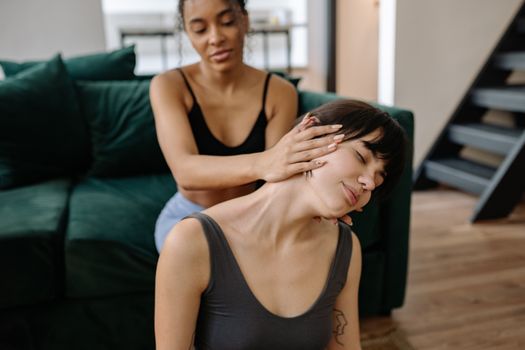
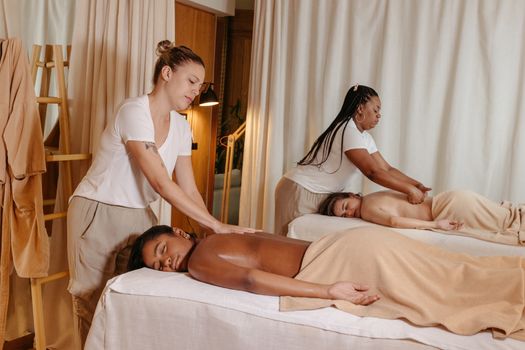
| Partner Massage | 15-30 mins | Couples, families | Bonding, relaxation, stress reduction |
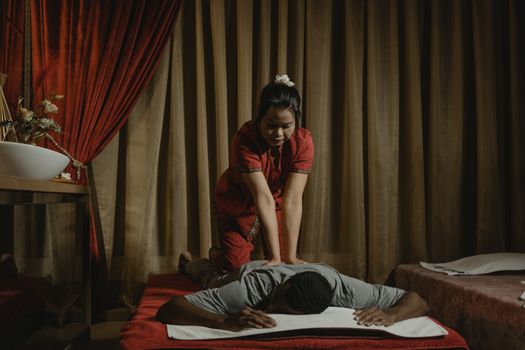
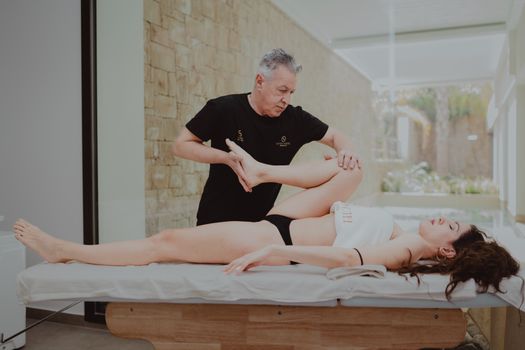
| Professional Table Massage | 60-90 mins | Deep relaxation, chronic pain | Comprehensive bodywork, therapeutic effects |
| Chair Massage | 10-20 mins | Workplaces, events | Neck/shoulder relief, convenience |
| Massage Chair/Device | 10-30 mins | Home users | Easy access, consistent care |
Each approach has unique advantages. For example, self-massage with a foam roller can be added to your post-workout cooldown, while a monthly session with a licensed therapist addresses deeper muscular issues. The key is to select the method—or combination—that fits seamlessly into your life.
Building a Sustainable Massage Habit
The benefits of massage are cumulative; regularity yields the greatest rewards. Yet, as with starting any new habit, consistency is often the hardest part. Here are practical strategies to ensure massage becomes a non-negotiable element of your self-care:
1. $1 Block out time in your calendar for massage, whether it’s a five-minute morning routine or a bi-weekly professional visit. Treat these slots as you would any important meeting. 2. $1 Pair self-massage with your shower, meditation, or stretching time. For example, using a massage ball on your feet while brushing your teeth is an easy, time-saving trick. 3. $1 Use smartphone apps or a wellness journal to log your massage sessions. Research shows that tracking habits increases adherence by up to 42%. 4. $1 Partner or family massages not only help you stay accountable but also foster deeper connections. If you have children, teaching them simple massage techniques can make it a fun family tradition. 5. $1 Devices like massage guns or heated massage pads make it easier to fit relaxation into even the busiest schedules. In 2023, global sales of handheld massage devices grew by 18%, reflecting their popularity for at-home self-care.By making massage a routine—rather than a rare indulgence—you’ll begin to notice improvements in your mood, energy, and resilience.
Integrating Massage with Other Self-Care Practices
Massage doesn’t exist in a vacuum. Its effects amplify when combined with other wellness strategies. Here’s how to create synergy in your self-care routine:
- $1 A 2021 study published in the International Journal of Behavioral Medicine found that combining massage with deep breathing exercises leads to a 45% greater reduction in perceived stress levels compared to massage alone. - $1 Essential oils like lavender or eucalyptus during massage can enhance relaxation and provide additional therapeutic effects. For instance, research shows that lavender oil can lower heart rate and blood pressure, deepening the calming response. - $1 Massage stimulates lymphatic flow, aiding in detoxification. Drinking water before and after your session helps flush out toxins and reduces soreness. - $1 Gentle stretching post-massage can improve flexibility and prolong the benefits of muscle relaxation.By layering your self-care practices, you create a personalized wellness ritual that addresses both body and mind.
When and How Often Should You Get a Massage?
A common question is how often massage should be incorporated for maximum benefit. The answer depends on your goals, lifestyle, and health status.
- $1 A brief self-massage or chair massage 2-3 times per week can keep daily tension in check. - $1 Weekly or bi-weekly professional sessions are often recommended. A 2017 study in the Annals of Family Medicine found that participants with chronic low back pain experienced the greatest improvements after receiving weekly massages for at least 10 weeks. - $1 A monthly full-body massage can help maintain muscle health, boost immunity, and support mental clarity.If budget or time is a concern, remember that even short, regular sessions—such as five minutes daily—are more effective than infrequent, lengthy treatments. The consistency is what matters most.
Personalizing Your Massage Experience
No two bodies—or self-care routines—are exactly alike. Personalization is key for both enjoyment and efficacy. Here are ways to tailor your massage practice:
- $1 If working with a therapist, discuss areas of tension, pressure preferences, and any health concerns. For self-massage, target the muscles that give you the most trouble. - $1 Try Swedish strokes for relaxation, trigger point therapy for knots, or sports massage if you’re physically active. - $1 Use candles, music, or weighted blankets to create a serene atmosphere at home. The right environment enhances the restorative potential of massage. - $1 If you have mobility issues or sensitivities, opt for gentler methods or focus on accessible areas like hands, feet, or scalp.Remember, the goal is not perfection, but progress and well-being. Listen to your body and adjust your massage practice as your needs evolve.
Self-Massage: Empowering Yourself Between Professional Sessions
While professional massage offers unmatched expertise, self-massage empowers you to manage stress and pain between appointments. Here are simple techniques you can incorporate at home:
- $1 Roll a tennis ball under your feet for 2-3 minutes per foot to relieve plantar tension. - $1 Use a handheld massager or your fingers to knead the muscles at the base of your skull and along your shoulders. - $1 Especially helpful for those who work at computers, gently squeeze and roll the muscles in your forearm with your opposite hand.Numerous apps and online tutorials provide guided instruction for beginners. Over time, you’ll become more attuned to your body’s signals and respond proactively to tension.
Final Thoughts on Integrating Massage into Self-Care
Incorporating massage into your self-care routine is an investment in your long-term health and happiness. Whether you choose professional sessions, self-massage, or a blend of both, the key is consistency and personalization. With benefits ranging from stress reduction and pain relief to improved sleep and enhanced mood, massage is far more than a fleeting luxury—it’s a strategic act of self-kindness.
By taking small, manageable steps to integrate massage into your regular routine, you’ll unlock new levels of resilience, relaxation, and vitality. Your body and mind will thank you.