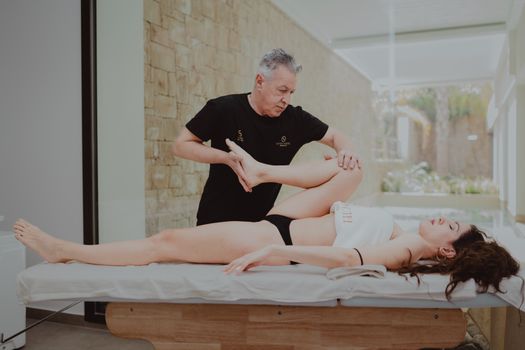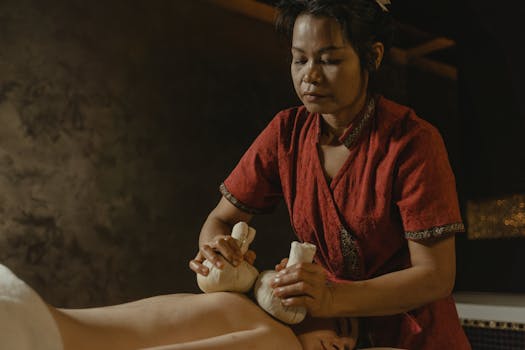
Massage is often celebrated for its ability to relax muscles and melt away stress, but its significance in holistic health runs much deeper. As the philosophy of holistic wellness gains traction worldwide, the role of massage therapy has expanded far beyond simple relaxation. Today, massage is recognized as a powerful tool that integrates body, mind, and spirit, supporting overall well-being in profound ways. In this article, we’ll explore the multidimensional benefits of massage in holistic health, look at how it interacts with various aspects of wellness, and compare different massage modalities in the context of a holistic approach.
The Foundations of Holistic Health and Massage
Holistic health is a comprehensive approach to wellness that considers the whole person—body, mind, emotions, and spirit—rather than focusing solely on symptoms or specific ailments. This philosophy recognizes that all parts of our being are interconnected. For example, emotional stress can manifest as physical pain, and chronic pain can influence mood and mental health.
Massage therapy is uniquely positioned within holistic health, as it addresses multiple aspects simultaneously. According to the American Massage Therapy Association (AMTA), over 47.5 million Americans received at least one massage in 2022, with 88% of them reporting massage as beneficial for health and wellness beyond just relaxation. Massage can:
.png) - Lower cortisol (the stress hormone) by up to 31%
- Increase serotonin and dopamine, neurotransmitters linked with happiness, by up to 28%
- Reduce blood pressure, contributing to heart health
- Lower cortisol (the stress hormone) by up to 31%
- Increase serotonin and dopamine, neurotransmitters linked with happiness, by up to 28%
- Reduce blood pressure, contributing to heart health
These statistics illustrate massage’s broad impact—not just on muscles, but on the nervous system, cardiovascular health, and emotional well-being.
Physical Benefits: Beyond Muscle Relief
While many people seek massage for relief from muscle tension or injury, holistic health recognizes that physical benefits go much further. Studies published in the Journal of Alternative and Complementary Medicine show that regular massage can:
- Improve circulation and oxygen delivery to tissues by 25% - Enhance lymphatic drainage, supporting immune function - Aid in detoxification and reducing inflammationFor example, research from the University of Miami’s Touch Research Institute found that individuals receiving weekly massages had increased natural killer cell activity—a key component of immune defense—by 30%. This suggests that massage can help the body resist illness and recover faster.
Massage also plays a role in chronic pain management. In a 2021 meta-analysis, patients with chronic lower back pain reported a 50% reduction in pain intensity after a course of therapeutic massage, compared to just 18% in a control group.
Mental and Emotional Wellness Through Massage
The mind-body connection is central to holistic health, and massage is a bridge between the two. Mental health disorders, such as anxiety and depression, are on the rise globally. In the United States alone, the CDC estimates that nearly 20% of adults live with a mental illness.
Massage therapy has been shown to:
- Decrease symptoms of anxiety by up to 50% after a series of sessions - Improve sleep quality in 60% of recipients, according to a 2020 survey by Sleep Foundation - Lower symptoms of depression, with a 31% improvement rate in meta-analysesThese benefits are often attributed to the activation of the parasympathetic nervous system, sometimes called the “rest and digest” mode. When activated through therapeutic touch, this system calms the body, reduces stress hormones, and fosters a sense of emotional safety.
Massage can also help trauma survivors. Trauma-informed massage therapy, which is sensitive to the unique needs of individuals with a history of trauma or PTSD, can help regulate the nervous system and rebuild a sense of trust with one's own body.
Massage and Spiritual Well-Being
Holistic health also honors the spiritual dimension of well-being, which may involve a sense of purpose, connection, or inner peace. While not always discussed in clinical settings, many massage practitioners and clients report that regular massage supports spiritual growth and self-awareness.
Practices like Thai massage, Shiatsu, and Ayurvedic massage are rooted in ancient healing systems that view the body as an energy field. These therapies aim to balance energy flows (such as “Qi” in Chinese medicine or “Prana” in Ayurveda), supporting not only physical health but also emotional and spiritual harmony.
Clients often describe feelings of “wholeness,” deeper connection to themselves, and even transformative insights during or after massage sessions. While these effects are difficult to quantify, surveys by the National Center for Complementary and Integrative Health (NCCIH) found that more than 30% of massage clients seek therapy for spiritual reasons, such as enhancing mindfulness or deepening meditation practices.
Integrating Massage with Other Holistic Therapies
Massage therapy is most effective when integrated with other holistic health practices. Many wellness centers offer massage in conjunction with modalities like acupuncture, yoga, nutrition counseling, and mindfulness meditation. This integrative approach creates a synergy, allowing clients to address physical, mental, and emotional health together.
For instance, yoga and massage both promote flexibility and stress reduction, but together they can accelerate recovery from injury and enhance body awareness. Acupuncture and massage can jointly regulate energy flow and reduce chronic pain. Nutrition counseling paired with massage may improve digestion and detoxification, as both support the body’s natural healing processes.
Below is a comparative overview of how massage aligns with other holistic therapies:
| Therapy | Main Focus | Key Benefits | Synergy with Massage |
|---|---|---|---|
| Massage Therapy | Body, Mind, Energy | Relaxes muscles, reduces stress, enhances circulation | Amplifies relaxation and healing effects |
| Acupuncture | Energy Channels | Pain relief, energy balance, stress reduction | Combined sessions can enhance pain management |
| Yoga | Body-Mind Awareness | Flexibility, strength, mental clarity | Massage improves recovery and flexibility |
| Nutrition Counseling | Dietary Health | Improved digestion, detoxification, energy | Massage supports detox and digestion |
| Mindfulness Meditation | Mental & Emotional Health | Reduces anxiety, improves focus, emotional regulation | Massage deepens relaxation and mindfulness |
Choosing the Right Massage for Holistic Health
With over 80 recognized modalities, selecting the best massage for your holistic health goals can be overwhelming. It’s important to consider your unique needs—physical, emotional, and spiritual—when choosing a therapy. Here are some popular options:
Swedish Massage: Known for gentle, flowing strokes, Swedish massage is ideal for relaxation and stress relief. It’s suitable for most people, including those new to massage.
Deep Tissue Massage: This modality targets deeper muscle layers, making it effective for chronic pain, injury recovery, and postural issues.
Shiatsu and Thai Massage: These Eastern styles incorporate stretches and acupressure, aiming to balance energy and improve flexibility. They are often chosen by those seeking both physical and energetic harmony.
Aromatherapy Massage: Essential oils are incorporated for additional emotional and physiological benefits, such as calming the mind or uplifting mood.
Reflexology: Focused on pressure points in the feet, hands, or ears, reflexology is believed to correspond with organs and systems throughout the body, supporting holistic balance.
A consultation with a qualified, certified massage therapist can help you identify the most suitable approach for your personal wellness journey.
Final Thoughts: Embracing Massage as a Pillar of Holistic Wellness
Massage therapy has evolved from a luxury or occasional treat to an essential pillar of holistic health. Its ability to address physical, emotional, mental, and spiritual dimensions makes it a uniquely comprehensive therapy. Statistics and research continue to demonstrate its benefits: from lowering stress hormones by nearly a third, to improving immune function by 30%, and reducing chronic pain by half.
In the context of holistic health, massage is not just a tool for relaxation but a proactive, integrative practice that can help you thrive. Whether used alone or in combination with other therapies, regular massage can foster resilience, balance, and a deeper connection to yourself. By honoring the intricate links between body, mind, and spirit, massage stands out as both an ancient art and a modern science—an investment in lifelong well-being.