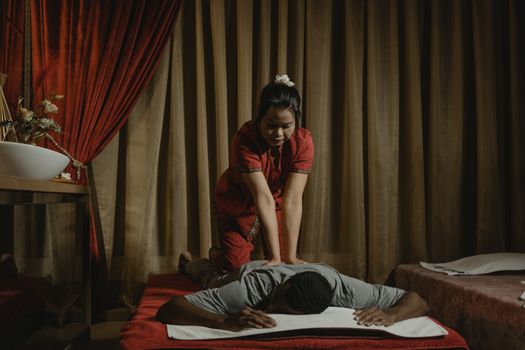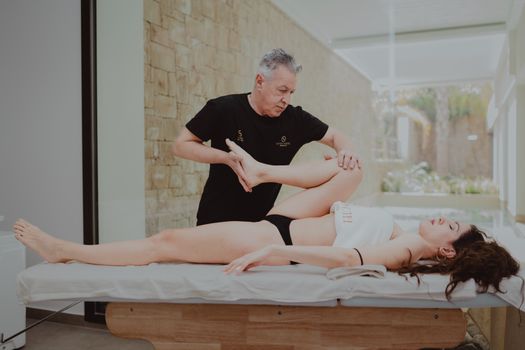
Chronic pain is a widespread issue affecting millions of people worldwide. According to the Centers for Disease Control and Prevention (CDC), an estimated 20.4% of adults in the United States—about 50 million people—live with chronic pain, with 8% experiencing high-impact chronic pain that limits daily activities. As traditional pain management methods such as medications face increasing scrutiny due to side effects and the opioid crisis, many individuals are turning to alternative therapies. Massage therapy has emerged as a promising, non-pharmacological option for managing chronic pain. But how effective is massage therapy for chronic pain management, and what does the latest research show?
The Science Behind Massage Therapy and Chronic Pain
Massage therapy involves the manipulation of soft tissues to relieve pain, reduce stress, and promote overall wellness. When it comes to chronic pain, several mechanisms are at play:
1. $1: Massage improves blood flow to affected areas, which helps reduce inflammation and promote healing. This is particularly beneficial for conditions like fibromyalgia, arthritis, and lower back pain. 2. $1: Massage stimulates the production of endorphins and serotonin, the body’s natural painkillers and mood enhancers. It also helps deactivate pain signals by stimulating sensory nerves, essentially “closing the gate” on pain perception (the Gate Control Theory). 3. $1: Chronic pain often leads to muscle stiffness and reduced mobility. Massage therapy helps relax tense muscles, improve range of motion, and break the cycle of pain-spasm-pain.A 2022 meta-analysis published in "Pain Medicine" reviewed 67 clinical trials and found that massage therapy provided significant relief for chronic low back pain, neck pain, and osteoarthritis, with patients experiencing up to 40% reduction in pain intensity compared to control groups.
.png)
Common Types of Massage for Chronic Pain Relief
Not all massage styles are equally effective for every type of chronic pain. Here are the most commonly used modalities:
1. $1: Characterized by gentle strokes and kneading, Swedish massage is effective for general pain relief and relaxation, making it suitable for those with fibromyalgia or widespread pain. 2. $1: This technique uses slower, more forceful strokes to target deeper layers of muscle and fascia. It is particularly beneficial for chronic musculoskeletal pain such as back, neck, and shoulder pain. 3. $1: By focusing on tight “knots” or trigger points, this method alleviates referred pain caused by muscle tension. It is often used for conditions like myofascial pain syndrome. 4. $1: This technique involves gentle, sustained pressure on connective tissue restrictions. It’s helpful for chronic headaches, TMJ dysfunction, and postural pain. 5. $1: Combining elements from multiple modalities, this approach targets the nervous system and muscle imbalances, often used for pain from injuries, repetitive strain, or poor posture.Clinical Evidence: How Effective Is Massage for Chronic Pain?
Research supports massage therapy as a valuable tool in chronic pain management. Here are some key findings:
- $1: A systematic review in the "Journal of Clinical Rheumatology" (2021) found that massage therapy significantly reduced pain, anxiety, and depression in people with fibromyalgia, with benefits lasting up to 5 weeks post-treatment. - $1: Multiple studies, including a 2020 review in "Annals of Internal Medicine," report that massage therapy results in moderate pain relief and improved function compared to usual care or no treatment. - $1: A 2018 clinical trial published in "Pain Medicine" showed that weekly 60-minute Swedish massage sessions for 8 weeks led to a 30% reduction in knee pain and improved mobility in patients with osteoarthritis. - $1: Research in "Supportive Care in Cancer" (2022) found that massage therapy reduced pain intensity by 24% in cancer patients, with additional benefits for mood and sleep.Below is a comparative overview of massage therapy’s effectiveness for various chronic pain conditions:
| Condition | Reported Pain Reduction | Duration of Relief | Supporting Evidence |
|---|---|---|---|
| Fibromyalgia | Up to 35% | 3-5 weeks | Journal of Clinical Rheumatology, 2021 |
| Chronic Low Back Pain | 30-40% | 4-6 weeks | Annals of Internal Medicine, 2020 |
| Osteoarthritis (Knee) | 30% | 8 weeks | Pain Medicine, 2018 |
| Cancer-Related Pain | 24% | 1-2 weeks | Supportive Care in Cancer, 2022 |
Benefits Beyond Pain Relief: Holistic Advantages of Massage Therapy
While the primary focus is pain relief, massage therapy offers a host of additional benefits for those struggling with chronic pain:
1. $1: Chronic pain is often accompanied by psychological stress. Studies reveal that regular massage can decrease levels of cortisol (the stress hormone) and boost mood-enhancing neurotransmitters. 2. $1: Pain disrupts sleep, which in turn exacerbates pain. Massage therapy has been shown to improve sleep patterns, especially in those with fibromyalgia and arthritis. 3. $1: Research from Cedars-Sinai Medical Center found a single 45-minute massage increased lymphocytes (white blood cells), contributing to better immune responses. 4. $1: By reducing muscle tension and enhancing flexibility, massage helps individuals maintain independence and participate in daily activities with less discomfort. 5. $1: Many patients report a reduction in their use of pain medications after integrating massage into their care plan, helping minimize the risk of side effects and dependence.What to Expect: A Typical Massage Therapy Session for Chronic Pain
Understanding what happens during a session can help alleviate anxiety and set realistic expectations. Here’s what you might expect:
- $1: The therapist will ask about your pain history, medical conditions, and specific areas of discomfort. They may also assess your posture and range of motion. - $1: Together, you’ll decide on the type of massage and target areas. Chronic pain often requires a series of sessions—typically weekly or biweekly over several months. - $1: Depending on your needs, the therapist may use lighter or deeper pressure, focusing on problem areas while ensuring your comfort. Sessions usually last between 30 and 60 minutes. - $1: You may receive recommendations on hydration, gentle stretches, or follow-up sessions.Most people report feeling relaxed and experiencing reduced pain immediately after treatment. In some cases, mild soreness may occur, but it typically resolves within a day.
Integrating Massage Therapy with Other Chronic Pain Treatments
Massage therapy is most effective when used as part of a comprehensive pain management plan. Here’s how it complements other approaches:
- $1: Massage can prepare tissues for exercise, enhance flexibility, and speed up recovery from physical therapy sessions. - $1: While massage may reduce the need for painkillers, it can also be safely combined with most medications. Always consult your healthcare provider before making changes. - $1: Practices like yoga, meditation, and cognitive-behavioral therapy work well alongside massage to address both physical and emotional aspects of chronic pain. - $1: Adequate sleep, nutrition, and regular movement, together with massage, can lead to significant improvements in pain and quality of life.It’s essential to communicate openly with all healthcare providers to ensure coordinated and safe care.
Is Massage Therapy Right for Everyone with Chronic Pain?
While massage therapy is generally safe, there are some considerations and potential contraindications:
- $1: Individuals with certain health issues (e.g., deep vein thrombosis, severe osteoporosis, active infections, or open wounds) should consult their doctor before beginning massage therapy. - $1: Some people with chronic pain have heightened sensitivity (allodynia). Therapists can adjust techniques to ensure comfort. - $1: Special training is required for therapists working with pregnant individuals or those recovering from surgery. - $1: Always inform your therapist of allergies to oils or lotions.Choosing a licensed, experienced massage therapist—ideally one with experience in chronic pain management—can help maximize benefits and minimize risks.
Final Thoughts on Massage Therapy for Chronic Pain Management
Massage therapy offers a compelling, evidence-based option for managing chronic pain. With proven benefits ranging from pain reduction and improved mobility to enhanced emotional well-being, it serves as an effective complement to traditional medical treatments. As awareness of non-pharmacological pain management grows, massage therapy is moving from the margins to the mainstream. If you're considering this approach, consult your healthcare provider and seek a qualified therapist to determine the best plan for your needs.