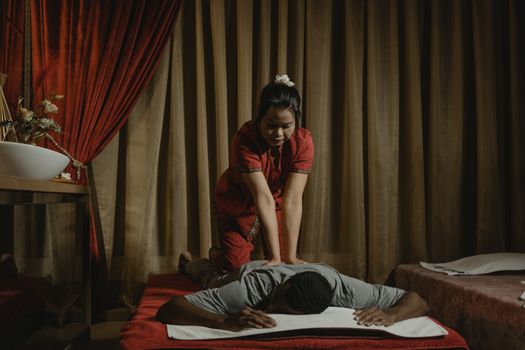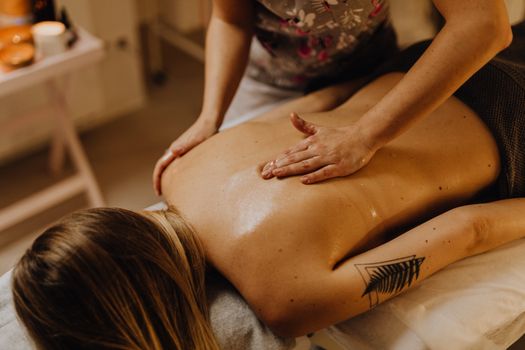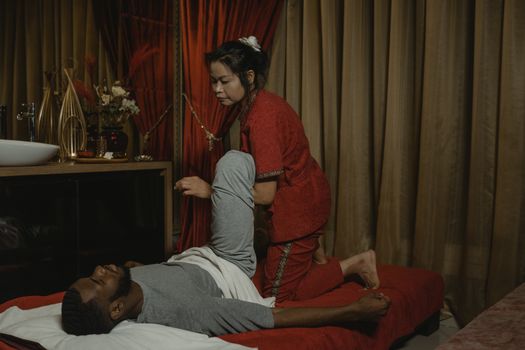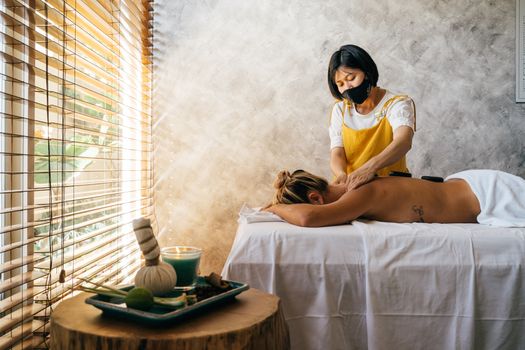
Millions of people worldwide grapple with back pain, a discomfort that can interrupt daily activities, diminish productivity, and even affect emotional well-being. According to the World Health Organization, approximately 619 million people globally suffered from lower back pain in 2020, making it the leading cause of disability worldwide. While medications and invasive procedures can offer relief, many people are turning to massage therapy as a natural, drug-free solution. But not every massage technique is created equal, and understanding which methods best target back pain can make a significant difference in your recovery journey.
If you’re seeking ways to ease your back pain at home or searching for the right professional approach, this guide will walk you through proven massage techniques, how they work, and tips for maximizing their effectiveness. Get ready to move, feel, and live better—one mindful massage at a time.
The Science Behind Massage for Back Pain Relief
Before diving into specific techniques, it’s important to understand why massage is so effective for back pain. Massage therapy works by manipulating soft tissues—muscles, tendons, and ligaments—to reduce muscle tension, improve circulation, and stimulate the release of endorphins (the body’s natural painkillers).
.png)
A 2017 study published in the journal $1 found that participants who received weekly massages for back pain experienced significant improvements in pain and function after just 10 weeks. Furthermore, the American College of Physicians recommends massage as a first-line treatment for acute or subacute lower back pain, highlighting its role in non-pharmacological pain management.
Massage therapy addresses back pain by:
- Increasing blood flow to tense or injured muscles, speeding up the healing process - Reducing inflammation through lymphatic drainage - Improving flexibility and range of motion - Calming the nervous system to decrease pain perceptionUnderstanding these mechanisms helps you appreciate why targeted massage techniques can be so transformative for chronic or sudden back discomfort.
Top Massage Techniques for Easing Back Pain
Not all massage styles are equally suited for back pain. The best approach often depends on the nature of your discomfort—whether it’s muscle tension, injury, nerve-related, or postural. Here are some of the most effective massage techniques for relieving back pain, along with their distinguishing features:
1. $1: Known for its gentle, flowing strokes, Swedish massage is ideal for general muscle relaxation and improving circulation. It can help release mild tension in the upper and lower back, making it a great entry point for those new to massage. 2. $1: This technique targets deeper layers of muscle and connective tissue using slow, firm strokes. Deep tissue massage is particularly effective for chronic pain and muscle knots, or “trigger points,” common in the lumbar (lower back) region. 3. $1: Focused on the fascia (the connective tissue that surrounds muscles), this gentle, sustained pressure technique reduces stiffness and improves mobility. Individuals with persistent back tightness or postural issues often benefit greatly. 4. $1: This method zeroes in on small, tender points within muscles that refer pain to other areas. By applying focused pressure to these spots, therapists can relieve radiating back pain that may not respond to general massage. 5. $1: Tailored for athletes or active individuals, sports massage blends techniques to enhance performance and speed up recovery. For back pain caused by overuse or sports injuries, this approach can target specific muscle groups and promote healing.How to Perform Simple Back Massage at Home
While professional therapists have advanced training, many effective back massage techniques can be safely performed at home—either solo or with a partner. Here’s a step-by-step guide to a basic self-massage routine for back pain:
1. $1: Find a quiet, comfortable space. Use a yoga mat, firm bed, or even a massage ball against a wall. 2. $1: Rub your hands together to generate heat. Place your hands on your lower back and gently rub in circular motions. 3. $1: Using your thumbs or knuckles, apply gentle to moderate pressure along both sides of your spine (avoid direct pressure on the spine itself). 4. $1: With your fists, gently knead the muscles of your lower and upper back, focusing on any tight spots. 5. $1: Massage balls, foam rollers, or massage sticks can help reach tricky spots. For example, rolling a tennis ball along the back against a wall can target knots and provide relief. 6. $1: End with a few gentle stretches, such as child’s pose or cat-cow stretch, to elongate the back muscles and enhance the benefits of massage.Always listen to your body—if you feel sharp pain or significant discomfort, stop immediately and consult a healthcare professional.
Professional vs. DIY Massage: Which Is Best for Back Pain?
Should you book an appointment with a licensed massage therapist or try self-massage at home? Both options have their benefits and limitations. The best choice depends on your unique needs, budget, and the severity of your back pain.
Here’s a comparison of professional and DIY massage for back pain relief:
| Aspect | Professional Massage | DIY/Self Massage |
|---|---|---|
| Expertise | Certified therapists with specialized training | Limited by personal knowledge and skill |
| Cost | $60-$120 per session (U.S. average) | Free or low-cost (tools may range $10-$50) |
| Accessibility | Requires scheduling and travel | Anytime, anywhere |
| Customization | Personalized assessment and technique | Limited to reachable areas and self-awareness |
| Effectiveness | Highly effective for complex or severe pain | Best for mild to moderate pain, maintenance |
For many, a combination of professional sessions and regular self-massage provides the most comprehensive relief. In fact, a 2011 study in the $1 showed that both professional and self-massage delivered similar improvements in back pain after 10 weeks.
Maximizing the Benefits: Tips for Safe and Effective Massage
To get the most out of your back massage routine, consider these expert tips:
- $1: If working with a therapist, always communicate your pain points, pressure preferences, and any medical conditions. - $1: Regularity matters. Weekly sessions have shown the greatest benefit in clinical studies. - $1: Drink plenty of water before and after massage to help flush out toxins released from the muscles. - $1: Integrate gentle exercise, stretching, or yoga to maintain back flexibility and strength. - $1: Massage can provide temporary relief, but correcting poor posture is essential for long-term results. - $1: If your pain is severe, accompanied by numbness or tingling, or lasts longer than a few weeks, consult a healthcare professional. Massage is an adjunct, not a replacement, for medical care in serious cases.When Massage Isn’t Enough: Other Strategies for Back Pain
While massage is an effective tool for managing back pain, sometimes it needs to be paired with other strategies for optimal relief. According to the U.S. Centers for Disease Control and Prevention, nearly 25% of adults reported experiencing back pain in the previous three months, and many found the best results with a multimodal approach.
Consider these complementary therapies:
- $1: A physical therapist can design a program of targeted exercises to strengthen back and core muscles, improve posture, and prevent recurrence. - $1: Applying heat packs loosens tight muscles, while cold packs reduce inflammation after acute injuries. - $1: Practices like mindfulness meditation, deep breathing, or progressive muscle relaxation can lower stress and decrease pain perception. - $1: Maintaining a healthy weight, quitting smoking, and ensuring ergonomic workspaces can all contribute to lasting back health.Massage can be a cornerstone of your pain management plan, but don’t hesitate to explore other options to address underlying causes and promote overall well-being.
Back Pain Massage: Key Takeaways for Lasting Relief
Back pain doesn’t have to be a life sentence. With the right combination of massage techniques, self-care habits, and professional support, you can significantly reduce discomfort and reclaim your mobility. Whether you choose Swedish, deep tissue, or trigger point therapy, consistency and communication are critical. Remember, massage is most effective when integrated into a holistic approach that includes movement, posture, and healthy lifestyle choices.
By empowering yourself with knowledge and taking proactive steps, you’ll be well on your way to a stronger, more flexible, and pain-free back.