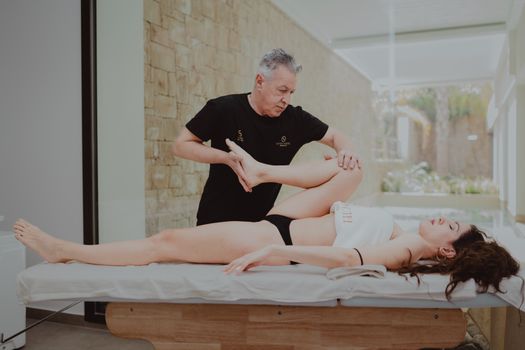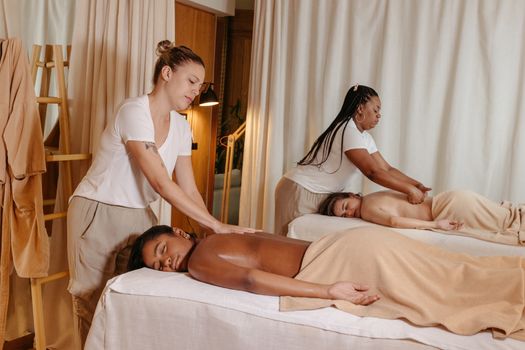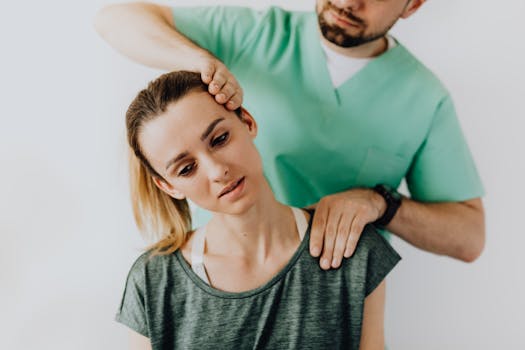
If you’ve ever experienced persistent aches or sudden discomfort, you know that pain isn’t one-size-fits-all—and neither is massage therapy. From nagging neck stiffness to throbbing lower back pain or aching joints after a workout, the right massage can make a world of difference in your comfort, recovery, and wellbeing. But with so many massage styles available, how do you choose the best technique for your specific type of pain? Understanding the connection between pain types and massage modalities is key to finding fast, effective relief. This guide will help you match your pain with the perfect massage, drawing on clinical insights, real-world examples, and expert recommendations.
Understanding Pain: Acute vs. Chronic and Beyond
Before selecting a massage, it’s crucial to understand the nature of your pain. Broadly speaking, pain can be categorized as acute or chronic:
- Acute pain is sudden and sharp, often resulting from an injury or overexertion. It typically subsides as the body heals. - Chronic pain persists for weeks, months, or even years, and might be linked to conditions like arthritis, fibromyalgia, or old injuries.According to the Centers for Disease Control and Prevention (CDC), around 20% of adults in the United States suffer from chronic pain, while millions more experience acute pain from sports, work, or daily activities.
.png)
Not all pain is musculoskeletal. Some discomfort stems from nerve irritation, inflammation, tension, or even emotional stress. Pinpointing the cause (muscle strain, joint inflammation, nerve impingement, etc.) will help you select the most effective massage approach.
Deep Tissue vs. Swedish Massage: Which Suits Your Pain?
Two of the most popular massage techniques—deep tissue and Swedish—offer distinct benefits depending on the type and source of your pain.
- Deep Tissue Massage targets the inner layers of your muscles and connective tissues. It’s ideal for chronic muscle tension, postural problems, and injury recovery. Studies published in the Journal of Clinical Psychiatry show that deep tissue massage can significantly reduce chronic lower back pain, improving mobility and quality of life. - Swedish Massage, on the other hand, uses lighter, flowing strokes to promote relaxation and increase circulation. It’s best for general soreness, mild tension, and stress-related discomfort.Here’s a comparison table to help visualize the differences:
| Massage Type | Best For | Pressure Level | Common Uses |
|---|---|---|---|
| Deep Tissue | Chronic pain, muscle knots, injury recovery | Firm to very firm | Back/neck pain, sports injuries, postural issues |
| Swedish | General tension, stress, mild aches | Light to moderate | Relaxation, stress relief, minor soreness |
If your pain is deep, lingering, or related to old injuries, deep tissue may be your best bet. If you’re simply feeling tense or fatigued, Swedish massage is a gentle and effective choice.
Targeted Massage Techniques for Specific Pain Areas
Every pain type and location calls for a specialized approach. Let’s break down some common scenarios:
- $1 A whopping 30% of adults report neck pain annually, often due to tech neck or poor posture. Trigger point therapy, which focuses on specific tight spots, is highly effective here. A skilled therapist will use direct pressure to release “knots,” improving range of motion and reducing tension headaches. - $1 According to the American Chiropractic Association, up to 80% of people will experience low back pain at some point. Deep tissue massage and myofascial release are top choices, as they target the deeper muscles and fascia that can seize up due to strain or prolonged sitting. - $1 For arthritis or joint discomfort, gentle modalities like lymphatic drainage or Swedish massage are preferable. These techniques boost circulation and ease inflammation without stressing sensitive joints. - $1 Sports massage is designed for exactly this situation. Techniques like compression, stretching, and friction help flush out lactic acid, decrease muscle stiffness, and speed up recovery. In fact, a 2018 study in the Journal of Athletic Training found that sports massage reduced delayed-onset muscle soreness by up to 30%.Choosing the right technique ensures that your massage session is both safe and effective, minimizing the risk of aggravating your pain.
Specialized Approaches for Nerve, Inflammatory, and Stress-Related Pain
Not all pain is caused by tight muscles. Some issues, like sciatica or carpal tunnel syndrome, involve nerve impingement or inflammation. Others are closely tied to emotional stress, manifesting as muscle tension or headaches.
- $1 Neuromuscular therapy and gentle stretching are often recommended for nerve-related pain. These approaches focus on relieving pressure on nerves and improving mobility without triggering further irritation. - $1 For pain caused by inflammation (e.g., from autoimmune conditions or recent injuries), it’s important to avoid deep pressure or aggressive techniques. Gentle lymphatic drainage or relaxation massage can help reduce swelling and promote healing. - $1 If your pain is linked to anxiety or chronic stress, relaxation-focused massages such as aromatherapy or Swedish are especially beneficial. They lower cortisol levels (the body’s main stress hormone) and help reset the nervous system.Always communicate your symptoms and medical history to your massage therapist. If you have a diagnosed condition, such as fibromyalgia or rheumatoid arthritis, a therapist trained in medical or therapeutic massage can adapt their technique for maximum safety and relief.
How to Communicate Your Pain for the Best Results
A successful massage starts with clear communication. Here’s how to ensure your therapist understands your pain:
1. $1 Use clear terms like sharp, dull, throbbing, stiff, or burning. Specify if it’s constant or comes and goes. 2. $1 Indicate the exact spot, and mention if it radiates to other regions (e.g., sciatica running down the leg). 3. $1 Let your therapist know about injuries, surgeries, chronic conditions, or medications. This prevents techniques that could worsen your pain. 4. $1 Some people need deep work, while others prefer light touch. Don’t hesitate to speak up—massage is most effective when tailored to your comfort. 5. $1 Let your therapist know if anything feels too intense or uncomfortable. Adjustments can be made on the spot.Effective communication can be the difference between a relaxing, healing experience and a session that leaves you feeling sore or unsatisfied. According to a 2022 survey from the American Massage Therapy Association, 68% of clients who reported their pain clearly before a session experienced better outcomes.
When to Avoid or Modify Massage for Pain
While massage is generally safe and beneficial for many types of pain, there are situations where caution is warranted:
- $1 Avoid massage on areas with acute inflammation, open wounds, fractures, or severe bruising until healing has progressed. - $1 If you have blood clots, contagious skin conditions, or uncontrolled high blood pressure, consult your doctor before booking a massage. - $1 Special prenatal massage techniques are recommended for expectant mothers—never receive deep tissue or pressure on the abdomen during pregnancy unless specifically trained. - $1 Massage can spread bacteria or viruses, so wait until you’re fully recovered.If in doubt, consult your healthcare provider before starting massage therapy. Professional massage therapists are trained to identify contraindications and adapt their approach to keep you safe.
Final Thoughts: Matching Your Pain to the Perfect Massage
With the right information, choosing a massage based on your pain type doesn’t have to be a guessing game. Whether you’re battling chronic back pain, recovering from a tough workout, or simply seeking relief from everyday tension, there’s a massage technique tailored to your needs. Remember the key steps: identify your pain type, communicate with your therapist, and select a modality that aligns with your goals and comfort level.
Massage therapy is more than a luxury—it’s a powerful, evidence-based tool for managing pain, restoring mobility, and enhancing quality of life. With over 47.5 million Americans receiving professional massages annually, you’re in good company as you seek relief and relaxation.