Home massage has rapidly gained popularity in recent years, driven by the convenience of in-home wellness services and a growing focus on self-care. Whether you’re considering hiring a professional to visit your home or learning how to give effective massages to a loved one, understanding the advantages and disadvantages of home massage is essential. This article dives deep into the benefits and drawbacks, helping you decide if a home massage is the right choice for your relaxation and therapeutic needs.
The Growing Popularity of Home Massage Services
The home massage industry has seen remarkable growth, especially since the COVID-19 pandemic shifted consumer preferences toward private, in-home experiences. According to Statista, the global wellness market was valued at over $4.5 trillion in 2022, with massage therapy playing a significant role in this expansion. In North America alone, over 47 million adults received at least one massage in 2021, and an increasing share of these treatments took place in the comfort of clients’ homes.
Technological advancements and smartphone apps—such as Soothe, Zeel, and Urban Massage—have made booking a home massage as easy as ordering food delivery. Additionally, many people now own portable massage tables, massage chairs, and self-massage devices, making at-home relaxation even more accessible.
.png)
With this surge in popularity, it’s important to weigh both the upsides and potential drawbacks of receiving massage therapy at home.
Key Advantages of Home Massage
1. $1Arguably the biggest advantage of home massage is convenience. There’s no need to commute, find parking, or wait in a lobby. Everything happens in your own space and on your schedule. According to a 2023 survey by the American Massage Therapy Association, 62% of clients cited “saving time” as a primary reason for choosing home massage over spa visits.
2. $1Your home is your sanctuary. When you receive a massage at home, you control the environment—temperature, lighting, background music, scents, and even the massage table’s location. This level of personalization often leads to a deeper sense of relaxation and satisfaction. For individuals with mobility issues or disabilities, home massage eliminates accessibility barriers that some traditional clinics or spas might present.
3. $1After a massage, the last thing you want is to deal with traffic or public transportation. At home, you can extend the relaxation: take a nap, enjoy a hot bath, or simply rest. This smooth transition helps your body maximize the benefits of the treatment, as there’s no abrupt return to the outside world.
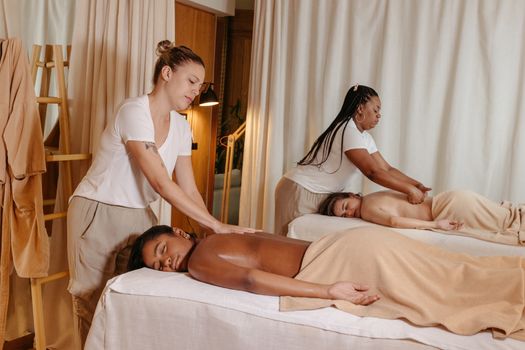
4. $1Home massage is perfect for couples, families, or friends who want to enjoy a wellness experience together. Group bookings are often easier to coordinate at home, and therapists can tailor their approach to everyone’s needs. This makes home massage a popular choice for special occasions, such as birthdays or wellness retreats.
Potential Disadvantages of Home Massage
1. $1Not every home is ideally suited for massage therapy. Therapists need enough space to set up a portable table and move freely around the client. Small apartments or cluttered rooms can make setup challenging. In a 2022 industry survey, 37% of mobile therapists cited “insufficient space” as a frequent challenge in home visits.
2. $1While professional therapists bring their own equipment, at-home massage may lack the spa-like ambience—think waterfall sounds, aromatherapy diffusers, or specialized lighting—that elevates the experience in commercial settings. Some clients may find it difficult to relax fully due to household distractions, such as pets, children, or noisy neighbors.
3. $1Unlike a spa, your home may not be immune to interruptions. Doorbells, phone calls, or unexpected visitors can disrupt the session. Additionally, some people feel uneasy inviting a stranger into their home, especially if they live alone. It’s important to vet therapists through reputable platforms, check reviews, and ensure background checks for peace of mind.
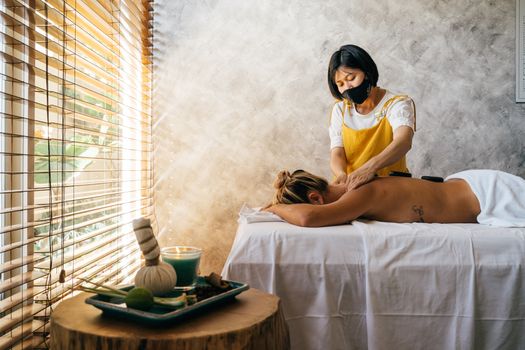
4. $1Certain specialized massage therapies—such as hydrotherapy, hot stone massage, or treatments requiring large equipment—may not be feasible at home. Some therapists may also decline home visits for complex or high-risk medical needs, preferring the safety and resources of a clinical environment.
Professional vs. DIY Home Massage: What’s the Difference?
Home massage can refer to two distinct scenarios: hiring a licensed therapist to visit your home, or performing self-massage or partner massage using online tutorials or massage tools. Each approach has unique pros and cons.
| Aspect | Professional Home Massage | DIY/Partner Home Massage |
|---|---|---|
| Skill Level | Licensed, trained therapist | Varies (often untrained) |
| Effectiveness | High, tailored techniques | Moderate, may lack technique |
| Cost | $80-$180/session (2024 average) | Minimal, mostly equipment costs |
| Safety | Professionally managed, lower risk | Higher risk of injury if done improperly |
| Equipment Needed | Therapist brings supplies | May need to purchase tools/tables |
| Customization | High—based on your health needs | Limited to basic techniques |
As the table shows, professional home massage offers higher skill, safety, and customization, but costs more. DIY or partner massage is affordable and accessible but may not deliver the same results, especially for complex muscle issues or injuries.
Health and Safety Considerations for Home Massage
When receiving a massage at home, safety and hygiene are paramount. Professional therapists should always use clean linens, sanitize hands and equipment, and follow standard health protocols. With the rise in demand, the American Massage Therapy Association has emphasized the importance of background checks and client-therapist matching to ensure safety for both parties.
Clients should disclose any medical conditions, allergies, or injuries before the session. Some health issues—such as deep vein thrombosis, certain skin infections, or recent surgeries—may require a doctor’s approval before massage therapy.
If you’re considering self-massage or partner massage at home, it’s crucial to educate yourself on proper techniques to avoid injuries. According to the National Center for Complementary and Integrative Health, improper massage can lead to bruising, muscle strains, or nerve irritation.
Cost Comparison: Home Massage vs. Spa or Clinic
While home massage offers convenience, it can be more expensive than in-clinic sessions, primarily due to travel fees or the therapist’s time. Here’s a quick comparison based on 2024 industry averages:
| Service Type | Average Cost (60 min) | Travel/Setup Fee | Inclusions |
|---|---|---|---|
| Home Massage (Professional Therapist) | $100 - $180 | $20 - $40 (often included) | Massage, equipment, travel, basic setup |
| Spa/Clinic Massage | $80 - $140 | None | Massage, spa amenities, professional environment |
| DIY/Partner Massage | $0 - $30 (per session, equipment amortized) | None | Massage tools, self/application only |
Keep in mind that while home massage may cost more per session, the value of convenience and comfort can outweigh the additional expense for many clients.
When Is Home Massage the Best Choice?
Home massage isn’t for everyone, but it’s particularly beneficial in certain situations:
- Individuals with mobility challenges or chronic pain who find travel difficult. - Parents of young children who need to stay home. - People seeking the privacy and comfort of their own space. - Groups or couples wanting to enjoy a shared wellness experience. - Those prioritizing time savings and flexibility.On the other hand, if you desire specialized treatments not easily performed at home, love the full spa experience, or are concerned about privacy, a clinic or spa may be preferable.
Final Thoughts on the Advantages and Disadvantages of Home Massage
Home massage offers a unique blend of benefits—convenience, personalization, and comfort—that have fueled its growing popularity. For many, the ability to enjoy therapeutic touch without leaving home is a game-changer. However, it’s important to consider factors like cost, space, and potential distractions, as well as to prioritize safety and professionalism.
Ultimately, the decision between home massage, spa visits, or self-massage comes down to your personal preferences, needs, and health circumstances. By weighing the advantages and disadvantages outlined above, you can make an informed choice and maximize the benefits of massage therapy in your life.