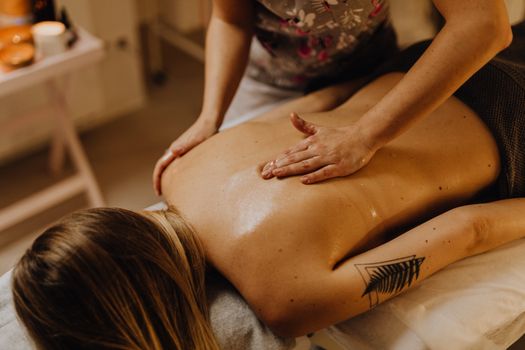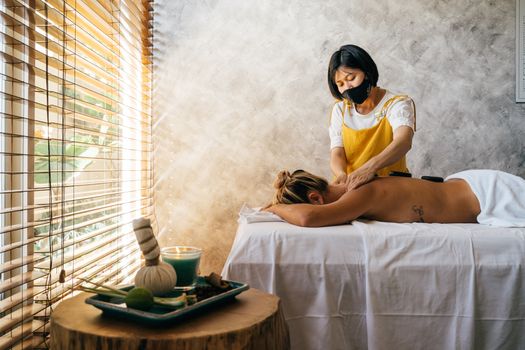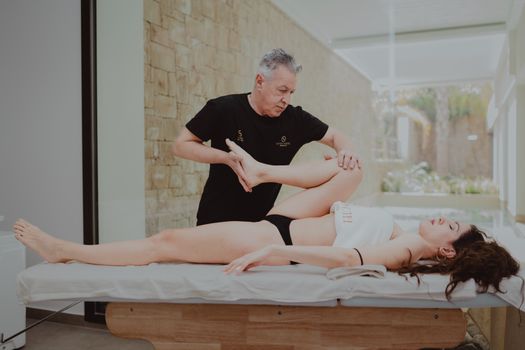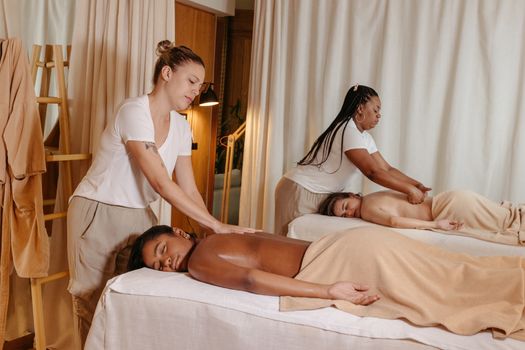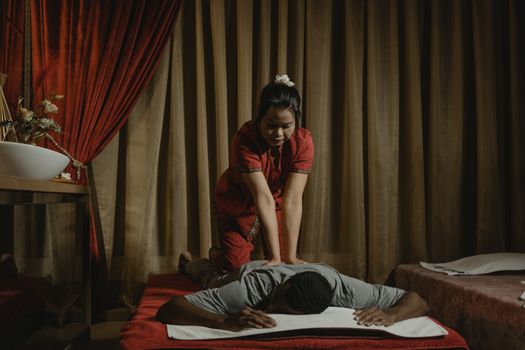
Thai massage, an ancient healing art with roots stretching back over 2,500 years, has long been revered in Southeast Asia for its unique blend of acupressure, assisted yoga stretches, and mindful breathing. Unlike the oil-based, skin-to-skin techniques familiar in Western massage traditions, Thai massage takes place fully clothed on a floor mat, focusing on energy lines (Sen) to restore balance throughout the body and mind. But what exactly happens during a Thai massage, and what effects can you expect—physically, mentally, and emotionally? In this comprehensive guide, we’ll explore the science, sensations, and outcomes of Thai massage so you can make the most of this remarkable wellness experience.
The Foundations of Thai Massage: More Than Just Stretching
Thai massage is often described as “lazy yoga,” but this phrase only hints at its complexity. Unlike Swedish or deep tissue massage, Thai massage combines elements of acupressure, passive stretching, compression, and joint mobilization. Practitioners use not only their hands but also elbows, knees, and feet to manipulate the recipient’s body.
The core philosophy of Thai massage is rooted in the concept of energy pathways, known as Sen lines, which are believed to distribute life force (Lom Pran) throughout the body. Blockages or imbalances in these lines are thought to cause discomfort or illness, and Thai massage aims to clear these blockages to restore harmony.
.png)
Thai massage also draws from Ayurveda and traditional Chinese medicine, incorporating techniques to stimulate circulation, release muscle tension, and enhance the flow of energy. Sessions typically last between 60 and 120 minutes, with practitioners guiding clients through a series of postures and stretches resembling yoga poses.
Physical Effects: Flexibility, Circulation, and Pain Relief
One of the most celebrated effects of Thai massage is its ability to increase flexibility. The dynamic stretches performed during a session mimic yoga asanas, targeting muscle groups that may not receive much attention in daily life. According to a 2015 study published in the Journal of Bodywork and Movement Therapies, participants who received Thai massage twice a week for four weeks saw a 15% improvement in flexibility compared to a control group.
Thai massage also promotes better circulation. The combination of rhythmic pressure and stretching encourages blood flow and lymphatic drainage, supporting the body’s natural detoxification processes. Improved circulation can help alleviate swelling, reduce muscle soreness, and speed up recovery after exercise.
Pain relief is another notable benefit. A 2011 clinical trial found that patients with chronic back pain who underwent Thai massage reported a 40% reduction in pain intensity, along with improved mobility and decreased muscle tension. These results are attributed to both the physical manipulation of muscles and the stimulation of the nervous system, which can trigger the release of endorphins—natural painkillers produced by the body.
Mental and Emotional Benefits: Stress Reduction and Mindfulness
While the physical effects of Thai massage are significant, its impact on the mind is equally profound. The slow, deliberate pace of the massage, combined with deep breathing and meditative focus, creates a sense of calm and relaxation. For many, the experience is akin to a moving meditation.
Research has shown that Thai massage can significantly reduce stress and anxiety. A 2013 study conducted at Khon Kaen University in Thailand found that participants who received a single 60-minute Thai massage session experienced a 19% decrease in salivary cortisol levels—a marker of stress—compared to those who simply rested.
In addition to lowering stress hormones, Thai massage encourages mindfulness and body awareness. As clients are guided through various stretches and postures, they are prompted to focus on their breath and physical sensations. This mindful attention can lead to greater emotional resilience, improved mood, and even better sleep quality.
What to Expect During a Thai Massage Session
If you’re new to Thai massage, you might be curious about what actually happens during a session. Unlike spa massages where you lie passively on a table, Thai massage is highly interactive. Here’s a step-by-step overview of what you can expect:
1. $1: You’ll typically wear loose, comfortable clothing provided by the spa or therapist. The session takes place on a padded floor mat rather than a massage table. 2. $1: The therapist may ask about your health history, injuries, or areas of concern to tailor the session to your needs. 3. $1: The massage usually begins with gentle compression along the legs and feet, gradually working up the body. The practitioner uses hands, thumbs, elbows, and sometimes feet to apply rhythmic pressure. 4. $1: Assisted stretches are a hallmark of Thai massage. The therapist will move your body into various positions, often supporting your arms, legs, or torso to deepen each stretch safely. 5. $1: Some practitioners incorporate elements of energy healing, focusing on specific Sen lines believed to influence physical and emotional well-being. 6. $1: The session ends with gentle rocking or a period of stillness, allowing your body and mind to integrate the effects.You may feel relaxed, energized, or even slightly sore afterward, similar to the sensations following a yoga class.
Thai Massage vs. Other Massage Techniques: A Comparative Overview
To better understand what makes Thai massage unique, let’s compare it to some other popular massage styles. The table below highlights key differences in technique, benefits, and typical session experience.
| Aspect | Thai Massage | Swedish Massage | Deep Tissue Massage | Shiatsu |
|---|---|---|---|---|
| Technique | Acupressure, assisted stretching, compression | Long gliding strokes, kneading, light pressure | Deep pressure, slow strokes, muscle targeting | Finger pressure on meridian points |
| Position | Clothed, on a floor mat | Undressed, on a table, with oil | Undressed, on a table, with oil | Clothed, on a mat or table |
| Main Benefits | Flexibility, energy flow, mindfulness | Relaxation, improved circulation | Muscle pain relief, injury recovery | Energy balance, tension release |
| Session Duration | 60-120 min | 50-90 min | 60-90 min | 60-90 min |
| Interaction Level | Highly interactive (practitioner moves client) | Passive (client remains still) | Passive (client remains still) | Minimal movement |
Potential Risks and Considerations: Is Thai Massage Safe for Everyone?
Although Thai massage is generally safe for most healthy individuals, it’s important to be aware of potential risks and contraindications. The deep stretches and pressure applied during a session may not be suitable for everyone, particularly those with certain medical conditions.
Contraindications include: - Recent injuries or surgeries (especially musculoskeletal or abdominal) - Severe osteoporosis - Cardiovascular problems (e.g., uncontrolled hypertension, heart disease) - Pregnancy (unless performed by a therapist trained in prenatal Thai massage) - Acute inflammation or infectionAlways inform your therapist of any health concerns before your session. Qualified practitioners can modify techniques to accommodate your needs and ensure your safety.
Long-Term Outcomes: Building a Sustainable Wellness Routine
Incorporating Thai massage into your wellness routine can yield lasting benefits. Regular sessions have been linked to: - Sustained improvements in flexibility and joint mobility - Ongoing stress reduction and enhanced emotional resilience - Improved sleep quality and energy levelsA 2019 survey found that 72% of regular Thai massage recipients reported better stress management and a greater sense of well-being compared to those who received other forms of massage. Many people schedule sessions every 2-4 weeks, depending on their goals and lifestyle.
For those seeking holistic improvements in both body and mind, Thai massage offers a unique, integrative approach that complements exercise, mindfulness, and healthy living.
Final Thoughts on the Effects of Thai Massage
Thai massage is more than just a relaxing treat—it’s a time-honored tradition that offers a wide range of physical and psychological benefits. From boosting flexibility and circulation to reducing stress and fostering mindfulness, its effects are both immediate and cumulative. By understanding what to expect and how to prepare, you can make the most of every session and tap into the ancient wisdom of Thai healing arts. Whether you’re seeking relief from pain, a deeper sense of calm, or a supportive addition to your wellness routine, Thai massage stands out as a uniquely transformative experience.