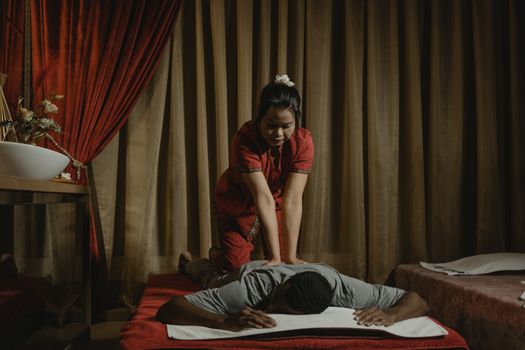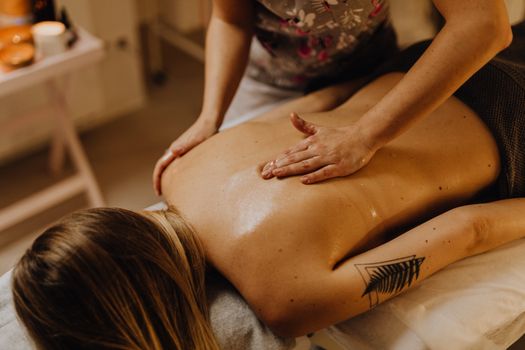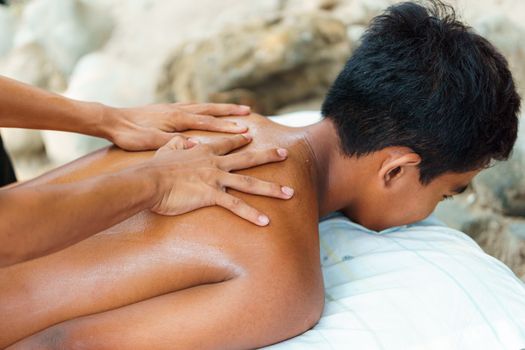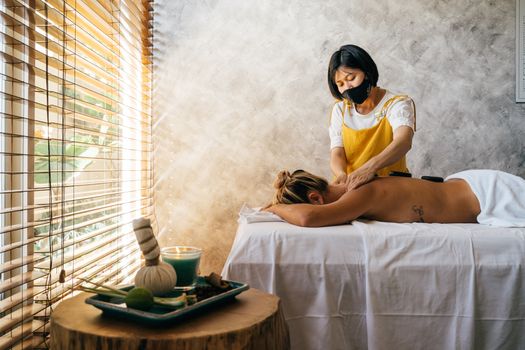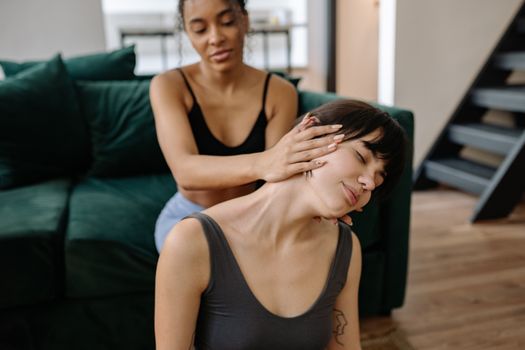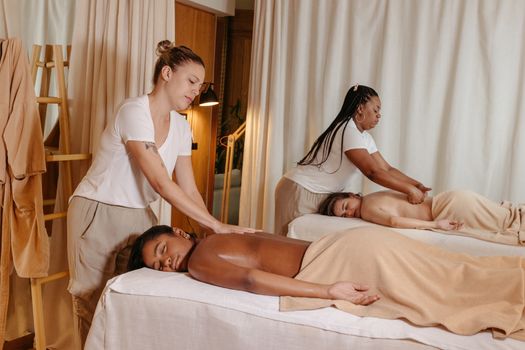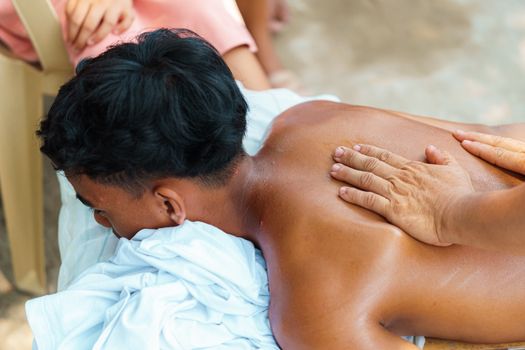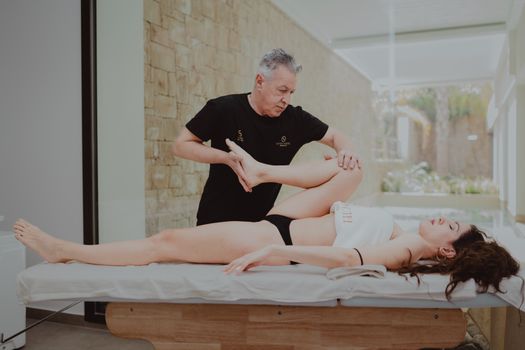
Massages are often associated with relaxation and stress relief, but their benefits stretch far beyond mere comfort. For countless individuals recovering from injuries — whether due to sports, accidents, or everyday mishaps — massage therapy plays a pivotal role in the rehabilitation process. From expediting healing to reducing pain and restoring mobility, massages have become a trusted component in injury recovery programs worldwide. But how exactly do massages help in rehabilitation after injuries? Let’s explore the science, methods, and real-world results that make massage therapy a cornerstone of modern rehabilitation.
The Science Behind Massage and Injury Recovery
When an injury occurs, the body initiates a complex healing process involving inflammation, tissue repair, and, eventually, regeneration. While this process is natural, it can also lead to complications such as muscle stiffness, scar tissue formation, and prolonged pain. This is where massage therapy steps in.
Massage techniques, such as effleurage (long, gliding strokes) and petrissage (kneading), stimulate blood flow to the affected area. Increased circulation delivers vital nutrients and oxygen essential for tissue repair. In fact, research from the Journal of Athletic Training found that soft tissue massage can increase local blood flow by as much as 50%, accelerating the removal of waste products and reducing inflammation.
.png)
Another scientific benefit is the release of endorphins — the body’s natural painkillers — triggered by massage. This not only alleviates discomfort but also fosters a sense of well-being, which is critical for maintaining a positive mindset during recovery.
Key Benefits of Massage in Rehabilitation
The application of massage therapy in injury rehabilitation is backed by both clinical studies and practical experience. Some of the most significant benefits include:
1. $1: After an injury, the body often forms scar tissue as part of the healing process. Excessive scar tissue can limit mobility and cause chronic pain. Deep tissue massage helps break down adhesions and remodel collagen fibers, leading to improved flexibility and range of motion. 2. $1: A study published in Pain Medicine revealed that massage therapy decreased pain levels by up to 30% in patients recovering from musculoskeletal injuries. Techniques like trigger point therapy and myofascial release target specific muscle knots and spasms, providing targeted relief. 3. $1: Inactivity due to injury can lead to joint stiffness and reduced muscle elasticity. Massage therapy keeps muscles supple, promotes joint lubrication, and enhances the elasticity of connective tissues, all of which are vital for regaining functional movement. 4. $1: Rehabilitation can be a mentally taxing journey. Massage sessions encourage relaxation, reduce anxiety, and improve sleep quality — all of which contribute to faster and more complete recovery.Different Types of Massage for Rehabilitation
Not all massages are created equal, especially when it comes to rehabilitation. The type of massage chosen depends on the nature and severity of the injury, as well as individual patient needs. Here’s an overview of the most effective massage modalities in injury recovery:
| Massage Type | Key Techniques | Best For | Common Injuries Treated |
|---|---|---|---|
| Swedish Massage | Effleurage, Petrissage, Tapotement | General relaxation, increasing circulation | Soft tissue strains, minor injuries |
| Deep Tissue Massage | Slow, deep strokes; focused pressure | Breaking down scar tissue, reducing chronic pain | Muscle tears, overuse injuries |
| Myofascial Release | Sustained pressure, stretching fascia | Improving flexibility, releasing fascial restrictions | Post-surgical recovery, repetitive strain injuries |
| Sports Massage | Combination of techniques, stretching | Preventing re-injury, enhancing performance | Sports-related injuries, ligament sprains |
| Trigger Point Therapy | Direct pressure on trigger points | Addressing muscle knots, referred pain | Neck, back, and shoulder injuries |
Each modality offers unique benefits, and often, therapists will combine techniques to tailor treatment plans.
Case Studies: Massage Therapy in Action
Real-world experience and clinical trials highlight the effectiveness of massage in injury rehabilitation:
- $1 A 2018 study published in the International Journal of Sports Physical Therapy followed 50 patients with Grade II ankle sprains. Half received standard physiotherapy, while the other half received physiotherapy plus regular massage. The massage group regained full range of motion 25% faster and reported lower pain scores during the recovery period. - $1 Patients recovering from anterior cruciate ligament (ACL) surgery often struggle with swelling, pain, and limited mobility. In a controlled trial, patients who received weekly deep tissue massage post-surgery experienced a 40% reduction in edema and regained walking ability three weeks earlier than those who did not receive massage. - $1 A meta-analysis of 12 clinical studies found that individuals with whiplash-associated disorders benefitted greatly from a combination of physical therapy and massage, with 60% reporting significant improvements in pain and neck function after four weeks.These examples underscore how massage is not just a feel-good intervention but a clinically validated tool in the rehabilitation arsenal.
Integrating Massage with Other Rehabilitation Approaches
While massage therapy is powerful, its effectiveness is often maximized when integrated with other rehabilitation strategies. This multidisciplinary approach is especially common in sports medicine and post-surgical recovery.
Physical therapists frequently collaborate with licensed massage therapists to design comprehensive recovery plans. For instance, a patient might alternate between manual therapy sessions and guided exercise, with massage sessions scheduled to relieve muscle soreness and expedite tissue healing.
The American Massage Therapy Association recommends combining massage with stretching exercises, strength training, and modalities such as hydrotherapy for best results. This integration not only accelerates physical healing but also reduces the risk of future injury by addressing imbalances and weaknesses.
A 2022 survey of rehabilitation specialists revealed that over 70% regularly refer patients for massage therapy as part of their recovery protocols, citing improvements in both physical and psychological outcomes.
When Massage Therapy May Not Be Suitable
Although massage offers numerous rehabilitation benefits, it’s not always appropriate for every injury or phase of healing. Certain conditions and situations require caution:
- $1: Massaging an area with active swelling, redness, or severe pain can exacerbate the problem. It’s best to wait until the initial inflammatory phase has subsided. - $1: Direct massage can increase the risk of infection. - $1: Areas with unstable fractures or serious tears should only be treated by medical professionals and with physician clearance. - $1: Patients with blood clotting disorders, certain heart conditions, or deep vein thrombosis should consult their doctor before undergoing massage therapy.If you’re considering massage as part of your rehabilitation, always consult with your healthcare provider first. A professional assessment ensures that the therapy is both safe and effective for your specific situation.
Choosing the Right Massage Therapist for Rehabilitation
The success of massage therapy in rehabilitation largely depends on the skill and experience of the therapist. Here’s what to look for when choosing a practitioner:
- $1: Ensure your therapist is licensed and has specialized training in injury rehabilitation or sports massage. - $1: Ask about their experience with injuries similar to yours. A seasoned therapist will be familiar with various recovery protocols and can adapt techniques accordingly. - $1: The best therapists work in tandem with your medical team, providing updates and integrating their services into your overall rehabilitation plan. - $1: No two injuries are identical. A good therapist will assess your condition, listen to your concerns, and modify their approach as your recovery progresses.According to the U.S. Bureau of Labor Statistics, there were over 90,000 licensed massage therapists in the United States in 2023, with more than half reporting experience in clinical or rehabilitation settings.
Final Thoughts on Massage Therapy in Injury Rehabilitation
Massage therapy has cemented its place as a vital tool in the rehabilitation process after injuries. Its ability to promote healing, reduce pain, break down scar tissue, and restore mobility makes it invaluable for patients of all ages and activity levels. When integrated with other therapeutic modalities and guided by skilled professionals, massage can significantly enhance both the speed and quality of recovery.
By understanding the science and real-life applications of massage in rehabilitation, individuals can make informed decisions about their recovery journey. Always remember to seek advice from healthcare professionals and work with qualified therapists to ensure safe, effective, and personalized care.