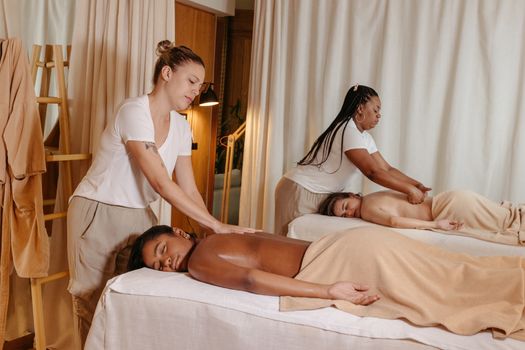
Aromatherapy massage has gained significant attention in recent years, not just as a luxury spa treatment but as a holistic approach to improving health and well-being. By combining the art of massage with the therapeutic properties of essential oils, aromatherapy massage offers a unique way to nurture both body and mind. But what exactly happens when you undergo an aromatherapy massage? How do these fragrant essences and skilled hands together influence your physical and mental state? In this article, we’ll explore the science, benefits, and unique mechanisms behind aromatherapy massage, providing a comprehensive look at its effects on the body and mind.
The Science Behind Aromatherapy Massage: How It Works
Aromatherapy massage integrates two well-established practices: massage therapy and aromatherapy. Massage manipulates muscles and tissues to relieve tension, improve circulation, and promote relaxation. Aromatherapy utilizes essential oils—highly concentrated plant extracts—known for their distinct aromas and healing properties.
During a session, essential oils are either inhaled through the respiratory system or absorbed through the skin as they’re blended into massage oils. Research shows that inhaling essential oil molecules stimulates the olfactory system, sending signals directly to the limbic system—the brain’s emotional center. This process can evoke memories, regulate emotions, and influence physiological processes such as heart rate and stress hormone levels.
.png)
A 2020 review published in the International Journal of Molecular Sciences found that several essential oils, including lavender and bergamot, have measurable effects on brain activity, reducing anxiety and promoting relaxation. Meanwhile, the tactile stimulation from massage increases blood flow and lymphatic drainage, supporting detoxification and immune function.
Physical Benefits: Beyond Relaxation
While relaxation is the most commonly reported benefit, aromatherapy massage can have a profound impact on various bodily systems. Let’s examine some key physical effects:
1. $1 Studies indicate that aromatherapy massage can reduce pain intensity in people with chronic conditions. For example, a 2016 clinical trial in the journal Pain Research and Treatment found that patients with osteoarthritis who received massages with ginger and orange essential oils reported a 30% reduction in pain compared to those receiving standard care. 2. $1 Essential oils like lavender and chamomile are known to enhance sleep. Research from the Journal of Alternative and Complementary Medicine demonstrated that participants receiving aromatherapy massage experienced a 20% improvement in sleep quality, as measured by sleep diaries and actigraphy. 3. $1 Massage itself boosts immune function, but when combined with essential oils such as tea tree or eucalyptus, the effect is amplified. These oils possess antimicrobial properties, and their absorption through the skin can provide additional support against pathogens. 4. $1 Post-exercise, aromatherapy massage can help reduce muscle soreness and promote faster recovery. Peppermint and rosemary oils, in particular, have been shown to decrease inflammation and support circulation.Mental and Emotional Effects: Calming the Mind
Aromatherapy massage is widely celebrated for its powerful effects on mental health. Here’s how it impacts psychological well-being:
1. $1 Cortisol, the body’s primary stress hormone, is significantly lowered after aromatherapy massage. A 2017 study in Evidence-Based Complementary and Alternative Medicine reported a 40% reduction in salivary cortisol in participants after just one session using lavender oil. 2. $1 The limbic system’s connection to emotions means that certain scents can rapidly improve mood. Citrus oils, such as orange or grapefruit, have been linked to increased feelings of happiness and decreased symptoms of depression. 3. $1 For individuals struggling with anxiety disorders, aromatherapy massage offers a natural alternative. Clinical evidence has shown that regular sessions can reduce symptoms by up to 50%, according to a 2018 meta-analysis in the journal Phytotherapy Research. 4. $1 Some essential oils, such as rosemary and peppermint, are known for their stimulating effects on the brain. They can enhance alertness, cognitive performance, and memory retention, making aromatherapy massage a valuable tool for students and professionals alike.Popular Essential Oils and Their Unique Effects
The choice of essential oils dramatically influences the outcomes of an aromatherapy massage. Here’s a quick overview of some of the most commonly used oils and their specific benefits:
| Essential Oil | Main Effects | Common Uses |
|---|---|---|
| Lavender | Relaxation, sleep aid, anxiety reduction | Insomnia, stress, muscle tension |
| Peppermint | Invigorating, pain relief, improved focus | Headaches, muscle aches, fatigue |
| Bergamot | Uplifting, mood enhancement, anxiety relief | Mild depression, stress, nervous tension |
| Tea Tree | Antimicrobial, immune support, cleansing | Skin issues, colds, immune boost |
| Chamomile | Calming, anti-inflammatory, sleep aid | Insomnia, skin irritation, anxiety |
| Rosemary | Stimulating, improves circulation, enhances memory | Mental fatigue, muscle pain, poor concentration |
Selecting the right oil is often personalized, based on individual needs and preferences. Certified massage therapists or aromatherapists can help tailor the experience for maximum benefit.
Safety Considerations and Best Practices
Although aromatherapy massage is regarded as safe for most people, certain precautions should be observed:
- $1 Essential oils are potent. A patch test is recommended before full application, especially for individuals with sensitive skin or allergies. According to the American College of Healthcare Sciences, approximately 2-3% of people may experience skin irritation from essential oils. - $1 Pregnant women, people with epilepsy, and those with certain medical conditions should consult a healthcare provider before undergoing aromatherapy massage. Some oils, like rosemary and sage, can trigger adverse reactions in vulnerable populations. - $1 The purity of essential oils is crucial. Synthetic fragrances or adulterated oils can cause side effects and diminish therapeutic benefits. Look for oils labeled as 100% pure and therapeutic grade. - $1 Self-administered aromatherapy massage is possible, but professional therapists have the expertise to ensure correct dilution, oil selection, and safe technique.Comparing Aromatherapy Massage to Other Massage Modalities
Aromatherapy massage stands out from other massage therapies due to the dual action of touch and scent. Here’s a comparison with other popular massage modalities:
| Modality | Main Focus | Unique Benefits | Best For |
|---|---|---|---|
| Aromatherapy Massage | Relaxation and holistic well-being through essential oils | Combines scent and touch, benefits both body and mind | Stress relief, mood enhancement, insomnia |
| Swedish Massage | Muscle relaxation and increased circulation | Focuses on physical tension, uses lotion or oil for glide | Muscle aches, general relaxation |
| Deep Tissue Massage | Targets deeper muscle and connective tissue | Effective for chronic pain, injury recovery | Chronic pain, athletes, injury rehab |
| Hot Stone Massage | Uses heated stones for muscle relaxation | Deep heat penetrates muscle, enhances relaxation | Muscle stiffness, deep relaxation |
Aromatherapy massage is particularly suited for individuals seeking emotional balance and a multisensory therapeutic experience, rather than just physical relief.
Enhancing Daily Life: Integrating Aromatherapy Massage into Your Wellness Routine
The benefits of aromatherapy massage aren’t limited to the treatment room. Many people find that regular sessions—once or twice a month—can have a cumulative effect on their well-being. In fact, a 2022 survey by the American Massage Therapy Association found that 70% of massage recipients reported improved quality of life when incorporating massage into their monthly routines.
For those unable to visit a professional therapist regularly, simple at-home aromatherapy practices can be beneficial. Diffusing essential oils, using aromatherapy bath soaks, or self-massaging hands and feet with diluted oils can extend relaxation, improve mood, and support restful sleep.
Remember, consistency matters. Setting aside time for self-care, whether through professional massage or mindful rituals at home, is an investment in both physical health and emotional resilience.
Lasting Impact: The Holistic Value of Aromatherapy Massage
Aromatherapy massage is much more than a pampering treat—it’s a scientifically supported approach to balancing the body and mind. With proven benefits ranging from pain relief to mood enhancement and immune support, this therapy harnesses the synergy of touch and scent for a truly holistic effect.
By understanding the mechanisms, selecting appropriate oils, and integrating aromatherapy massage into your routine, you can unlock its full spectrum of benefits. Whether your goal is deep relaxation, pain management, or emotional balance, aromatherapy massage offers a natural, enjoyable, and effective path to greater well-being.