Feeling overwhelmed by daily pressures is a reality for millions, with stress and anxiety among the most common health concerns worldwide. According to the American Institute of Stress, about 33% of people report feeling extreme stress, and over 70% experience physical and psychological symptoms caused by it. While medication and therapy are widely used, massage therapy has emerged as a powerful, natural tool for managing these conditions. But not all massages are created equal when it comes to easing stress and anxiety. In this article, we’ll explore which massage techniques are most effective, how they work, and what you can expect from each, helping you make an informed decision for your well-being.
The Science Behind Massage for Stress and Anxiety
Massage therapy isn’t just about relaxation—it’s backed by science. Numerous studies show that massage can lower levels of cortisol, the body’s primary stress hormone, and increase the production of serotonin and dopamine, neurotransmitters associated with feelings of happiness and relaxation.
A 2020 meta-analysis published in the Journal of Clinical Psychiatry found that people who received regular massage therapy reported a significant reduction in anxiety and depression symptoms compared to those who didn’t. Another study from the Touch Research Institute at the University of Miami found that after five weeks of bi-weekly massage, participants’ cortisol levels dropped by up to 31%, and serotonin levels increased by 28%.
.png)
Massage therapy also stimulates the parasympathetic nervous system, which is responsible for the body’s “rest and digest” response, effectively counteracting the physiological effects of stress. This makes massage an evidence-based option for those seeking relief from chronic stress and anxiety without relying solely on medication.
Swedish Massage: The Classic Stress Reliever
Swedish massage is perhaps the most recognized and widely practiced type of massage, especially for stress reduction. It employs long, gliding strokes, kneading, friction, tapping, and gentle stretching, all designed to relax the entire body.
What makes Swedish massage so effective for alleviating stress and anxiety? The technique’s focus on muscle relaxation and improved circulation triggers a calming effect on the nervous system. Sessions typically last 60 to 90 minutes, and clients often report feeling deeply relaxed both physically and mentally.
A 2012 study published in the International Journal of Neuroscience found that just one session of Swedish massage decreased levels of the stress hormone cortisol while boosting oxytocin, a hormone associated with feelings of trust and security. It’s an excellent choice for beginners or those who want a gentle, soothing experience.
Deep Tissue Massage: Targeted Relief for Tension and Anxiety
While Swedish massage is gentle, deep tissue massage offers a firmer approach, targeting deeper layers of muscles and connective tissue. This technique is especially beneficial for those who store stress physically, often in the form of tight shoulders, neck, or back muscles.
Deep tissue massage uses slow, deliberate strokes and focused pressure to break up adhesions and relieve chronic muscle tension. According to a 2016 study in the Journal of Alternative and Complementary Medicine, participants who received deep tissue massage twice a week for one month experienced a 45% reduction in perceived stress levels and reported improved sleep quality.
However, deep tissue massage can sometimes cause mild discomfort during the session, especially if you have significant muscle tension. Still, the payoff is a profound release of both physical knots and emotional stress, making it a popular choice for those with high-pressure lifestyles or physically demanding jobs.
Aromatherapy Massage: Harnessing the Power of Scent
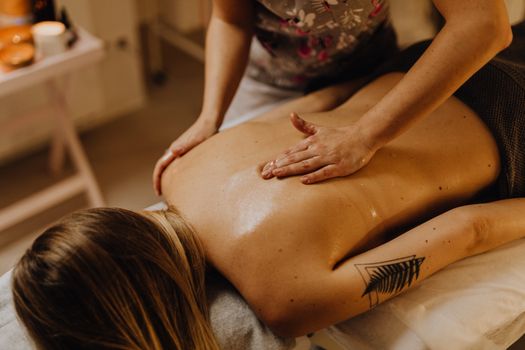
Aromatherapy massage combines the healing power of touch with the therapeutic properties of essential oils. Scents like lavender, chamomile, and bergamot are well-known for their calming and anxiety-reducing effects. During an aromatherapy massage, these oils are blended with a carrier oil and massaged into the skin, while their aroma is inhaled, stimulating the limbic system—the brain’s emotional center.
Research highlights the effectiveness of aromatherapy massage for mental health. A 2017 review in Evidence-Based Complementary and Alternative Medicine found that participants who received aromatherapy massage showed a 43% reduction in anxiety symptoms, compared to 21% for massage without aromatherapy.
Aromatherapy massage is an excellent option for those who want to address both mind and body stress, offering a multisensory experience that can quickly shift your mood and promote a deep sense of relaxation.
Reflexology: Stress Relief Through the Feet and Hands
Reflexology is a specialized massage technique focused on applying pressure to specific points on the feet, hands, and ears that correspond to different organs and systems in the body. The theory is that stimulating these reflex points helps restore balance, improve circulation, and reduce stress.
A 2015 study in the Journal of Nursing Research found that hospital patients who received 30-minute reflexology sessions three times a week reported a 37% decline in anxiety levels. Reflexology is particularly convenient for those who may not be comfortable with full-body massage or are seeking a quick way to unwind.
This technique is noninvasive and can be performed almost anywhere, making it ideal for people with time constraints or those who prefer to remain fully clothed during their session.
Comparing Massage Techniques for Stress and Anxiety Relief
Choosing the right massage can be confusing, especially with so many options available. The table below summarizes the key features and benefits of each massage type discussed, helping you decide which may be best suited for your stress and anxiety relief needs.
| Massage Type | Primary Focus | Pressure Level | Best For | Notable Statistic |
|---|---|---|---|---|
| Swedish Massage | Full-body relaxation, improved circulation | Light to medium | Beginners, general stress relief | Reduces cortisol by up to 31% |
| Deep Tissue Massage | Chronic muscle tension, pain relief | Medium to deep | Physically active, high tension areas | Reduces perceived stress by 45% |
| Aromatherapy Massage | Emotional balance, mood enhancement | Light to medium | Mental stress, anxiety, mood swings | Reduces anxiety by 43% |
| Reflexology | Targeted relaxation via feet/hands | Light to firm (localized) | Quick sessions, noninvasive | Reduces anxiety by 37% |
How to Maximize the Stress-Relieving Benefits of Massage
To get the most from your massage sessions, consistency and intention are key. Experts recommend scheduling regular sessions—ideally once a week or at least twice a month—since the effects are cumulative. Here are some tips to further enhance your results:
- Communicate openly with your therapist about your stress levels, preferred pressure, and any areas of concern. - Combine massage with other relaxation practices, such as mindfulness meditation or gentle yoga, to build a holistic stress management routine. - Avoid caffeine and heavy meals before your session to help your body fully relax. - Take time after your massage to rest, hydrate, and allow your mind and body to process the relaxation response.Remember, your comfort and well-being are paramount. If at any point you feel uncomfortable during a massage, let your therapist know immediately.
When to Consider Massage Therapy for Stress and Anxiety
While massage offers many benefits, it’s not a cure-all. If you’re experiencing persistent or severe anxiety, it’s important to seek guidance from a mental health professional. However, massage can be a powerful complementary therapy, particularly for:
- Managing day-to-day stress from work, family, or life changes - Easing symptoms of mild to moderate anxiety - Coping with physical symptoms of stress, like headaches, muscle tension, or insomnia - Supporting overall mental wellness as part of a self-care routineAccording to the American Massage Therapy Association, over 25% of adults who receive massages do so primarily for stress reduction and relaxation, and more than 80% of those report significant improvements after just a few sessions.
Lasting Calm: Choosing the Right Massage for You
Stress and anxiety may be common, but they don’t have to control your life. Massage therapy offers a safe, enjoyable, and scientifically supported way to reclaim your calm. Whether you opt for the gentle strokes of Swedish massage, the targeted intensity of deep tissue, the aromatic benefits of essential oils, or the unique approach of reflexology, there’s a technique suited to your needs.
Remember, the best massage for stress and anxiety is the one that feels most comfortable and effective for you. By understanding your options and working with a qualified therapist, you can unlock the many benefits of massage and move toward a more relaxed, balanced state of mind.