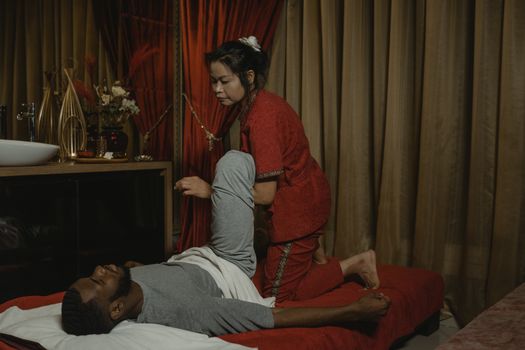
Stress is an unavoidable part of modern life, but how we handle it can make a world of difference to our overall well-being. While professional massages are highly effective, not everyone has the time or budget to visit a spa regularly. The good news? With a little know-how, you can perform a home massage for stress relief—either on yourself or a loved one. Not only is this approach convenient and cost-effective, but it also offers immediate, personalized results. In this comprehensive guide, we’ll walk you through everything you need to know about performing a home massage for stress relief, from setting up the perfect environment to mastering core techniques and maximizing benefits.
Creating the Ideal Home Massage Environment
The setting in which you perform a massage plays a significant role in its effectiveness. A calming, distraction-free environment helps both the giver and receiver relax, allowing the massage to work its magic. Here’s how to set the mood for an optimal home massage experience:
- $1 Use soft, warm lighting or candles. Harsh, bright lights can hinder relaxation and increase tension. - $1 Play soothing background music or nature sounds. According to a 2021 study by Frontiers in Psychology, relaxing music can reduce cortisol (the stress hormone) by 65%. - $1 Keep the room comfortably warm (about 72°F/22°C), as muscles relax more easily in a cozy setting. - $1 Incorporate essential oils like lavender or chamomile, which have been shown in multiple studies to promote relaxation and lower anxiety levels.Don’t forget to gather all necessary supplies ahead of time: clean towels, massage oil or lotion, and a supportive pillow or rolled towel for comfort. By thoughtfully preparing your space, you set the stage for deeper stress relief and a more enjoyable massage experience.
.png)
Essential Tools and Oils for Home Massage
While your hands are the most important tools for a home massage, a few additional items can enhance the experience and results. Here’s a quick overview:
| Tool/Oil | Purpose | Benefits | Example |
|---|---|---|---|
| Massage Oil/Lotion | Reduces friction, nourishes skin | Smoother strokes, moisturizes, adds scent | Sweet almond oil, coconut oil |
| Heated Pad | Warms muscles pre-massage | Increases relaxation, reduces stiffness | Microwavable heat pack |
| Massage Ball | Targets knots and pressure points | Deeper relief, precise pressure | Lacrosse ball, spiky massage ball |
| Essential Oils | Adds aromatherapy benefits | Calms mind, enhances mood | Lavender, eucalyptus, frankincense |
| Soft Towel or Blanket | Comfort and modesty | Helps relax, keeps warm | Cotton towel, fleece blanket |
Fact: According to the American Massage Therapy Association, over 62% of massage clients prefer using oil or lotion during a session for enhanced comfort and glide.
Step-by-Step Guide: Performing a Home Massage
A successful home massage doesn’t require professional skills—it’s about intention, touch, and following some basic steps. Here’s a straightforward process to get started:
1. $1 Begin by placing your hands gently on the person’s shoulders or back to establish trust and warmth. This initial touch signals the body to relax. 2. $1 Warm a small amount of oil or lotion in your hands before applying. This prevents any cold, uncomfortable sensation on the skin. 3. $1 Light, gliding strokes help spread the oil and prepare muscles for deeper work. Move from the lower back upward, or from hands toward the shoulders, maintaining even pressure. 4. $1 Gently squeeze and roll the muscles between your fingers and palms. This technique increases circulation and helps break up tension. 5. $1 Use your thumbs or a massage ball to apply gentle pressure to knots—commonly found in the shoulders, neck, and lower back. Hold for 5-10 seconds, then release slowly. 6. $1 End the massage with lighter, calming strokes to signal the body that the session is coming to a close.For self-massage, focus on easily accessible areas like the neck, scalp, forearms, and calves. Use the same sequence: gentle touch, oil, long strokes, targeted pressure, and soothing finish.
Key Techniques for Stress Relief
Different massage techniques serve different purposes. When the primary goal is stress relief, certain methods are especially effective:
- $1 These include effleurage (long strokes), petrissage (kneading), and friction (small circular motions). Swedish techniques are proven to reduce stress—one study in the International Journal of Neuroscience found a 31% drop in cortisol after a single session. - $1 Applying steady pressure to sensitive areas (trigger points) can relieve both local and referred pain, helping the whole body relax. - $1 The scalp is rich in nerve endings. Firm but gentle circular motions can ease headaches and induce deep relaxation. A 2016 study showed a 22% reduction in perceived stress after a simple 10-minute scalp massage. - $1 These areas are packed with nerve endings and respond quickly to touch. A few minutes of focused massage on the hands or feet can bring immediate relief.Always communicate about pressure and comfort levels. If you encounter any areas of pain or discomfort, lighten your touch or move to another area.
Safety and Best Practices for Home Massage
While home massage is generally safe, it’s important to observe best practices to avoid injury or discomfort.
- $1 Focus on muscles, not bones. - $1 This can worsen the condition or cause pain. - $1 For beginners, 20-30 minutes is ideal. Overly long sessions can lead to soreness, especially if deep pressure is used. - $1 Encourage the recipient to drink water after the massage; this helps flush out any toxins released from muscle tissues. - $1 If the recipient has chronic health conditions such as deep vein thrombosis, skin infections, or recent surgery, check with a healthcare professional before performing a massage.According to a 2022 survey by the National Institutes of Health, 77% of people reported feeling more relaxed and less anxious after a self-massage or massage from a loved one at home.
Maximizing the Benefits: Incorporating Home Massage into Your Routine
To achieve lasting stress relief, consider making home massage a regular part of your wellness routine. Here are some tips for long-term benefits:
- $1 Aim for one to two sessions per week. Research from the Journal of Alternative and Complementary Medicine shows that regular massage can reduce symptoms of anxiety and depression by up to 40% over two months. - $1 Combine massage with deep breathing, meditation, or gentle stretching for amplified effects. - $1 Some people prefer a massage in the evening to wind down, while others find it energizing in the morning. Try both and see what works best for you. - $1 Partner massages can foster connection and mutual stress relief. Set aside time for “massage swaps” with a family member or partner. - $1 There are countless online tutorials and courses for home massage. Expanding your skill set can make each session more rewarding and effective.Final Thoughts on Home Massage for Stress Relief
Performing a home massage for stress relief isn’t just about technique—it’s about creating a nurturing, mindful moment in the midst of daily chaos. By setting the right atmosphere, using the best tools, and applying proven techniques, you can unlock powerful benefits for both mind and body. Whether you’re soothing your own tension or helping a loved one unwind, the gift of massage is one of the most natural and effective ways to fight stress at home. Remember, consistency and communication are key—so don’t hesitate to make home massage a cherished part of your self-care routine.