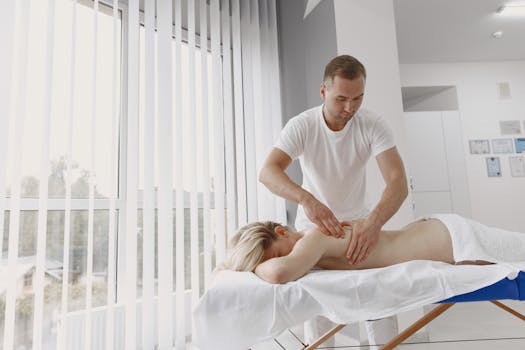
Creating Calm at Home: How to Set Up a Home Massage Room
A growing number of people are discovering the transformative power of massage therapy for relaxation, pain relief, and self-care. While professional spas and clinics are popular, having a dedicated massage room at home offers a convenient and deeply personal sanctuary for wellness. Whether you’re a massage therapist seeking a professional home workspace or someone who simply values the benefits of regular massage, learning how to set up a home massage room can turn any space into a haven of tranquility. This guide will walk you through every essential step, from design and equipment choices to ambiance and hygiene, helping you create a massage environment tailored to your needs.
Choosing the Right Space for Your Home Massage Room
Picking the right location is the foundation of a successful home massage room. Your chosen space should foster relaxation, privacy, and a sense of escape from daily stressors.
Room Size and Layout: - The ideal room size is at least 10x12 feet, allowing comfortable movement around a standard massage table (about 30 inches wide by 72 inches long). This ensures there’s enough space for you, your massage therapist (if applicable), and accessories. - Avoid high-traffic areas. Spare bedrooms, finished basements, or even a secluded corner in a large living area can work well. Natural Light and Ventilation: - Rooms with soft natural light help create a soothing atmosphere. Consider blackout curtains or adjustable blinds to control brightness. - Good ventilation is vital for comfort and for dispersing any scents from oils or candles. Noise Control: - Select a space away from loud TVs, appliances, or busy streets. Thick rugs, curtains, and acoustic panels can dampen outside noise and enhance the feeling of retreat. Privacy: - Ensure the room can be closed off with a door. Privacy fosters relaxation and is especially important for professional therapists treating clients at home.Essential Equipment and Furniture for a Home Massage Room
A well-equipped massage room doesn’t require a huge investment, but certain items are non-negotiable for comfort and safety.
.png) Massage Table:
- A professional-grade massage table is the centerpiece. Look for tables with adjustable height, reinforced support (at least 450 lbs working weight), and high-density foam padding.
- Portable tables are ideal for multi-use spaces, while stationary tables offer more stability for dedicated rooms.
- Expect to invest $150-$600 depending on quality and features.
Linens and Accessories:
- Use soft, washable sheets, face cradle covers, and a lightweight blanket.
- A bolster or pillow supports client comfort, especially for those with back or knee issues.
Seating:
- A comfortable chair or bench for dressing and undressing.
- Small stool for the therapist if needed.
Storage Solutions:
- Shelving or a cabinet for oils, lotions, towels, and cleaning supplies keeps the space organized and clutter-free.
Ambiance Enhancers:
- Adjustable lighting (lamps, dimmers, candles), a Bluetooth speaker for calming music, and optional aromatherapy diffusers complete the setup.
Massage Table:
- A professional-grade massage table is the centerpiece. Look for tables with adjustable height, reinforced support (at least 450 lbs working weight), and high-density foam padding.
- Portable tables are ideal for multi-use spaces, while stationary tables offer more stability for dedicated rooms.
- Expect to invest $150-$600 depending on quality and features.
Linens and Accessories:
- Use soft, washable sheets, face cradle covers, and a lightweight blanket.
- A bolster or pillow supports client comfort, especially for those with back or knee issues.
Seating:
- A comfortable chair or bench for dressing and undressing.
- Small stool for the therapist if needed.
Storage Solutions:
- Shelving or a cabinet for oils, lotions, towels, and cleaning supplies keeps the space organized and clutter-free.
Ambiance Enhancers:
- Adjustable lighting (lamps, dimmers, candles), a Bluetooth speaker for calming music, and optional aromatherapy diffusers complete the setup.
Comparison of Basic vs. Enhanced Home Massage Room Setups:
| Feature | Basic Setup | Enhanced Setup |
|---|---|---|
| Massage Table | Standard portable table ($150-250) | Luxury stationary table with heating ($400-600) |
| Linens | 1-2 sheet sets, basic face cradle cover | Multiple premium linens, memory foam face rest |
| Lighting | Overhead room light | Dimmable lamps, candles, LED mood lights |
| Sound | Basic Bluetooth speaker | High-quality sound system with nature sound options |
| Ambiance | Minimal decor | Plants, artwork, aromatherapy diffuser |
Designing the Perfect Ambiance for Relaxation
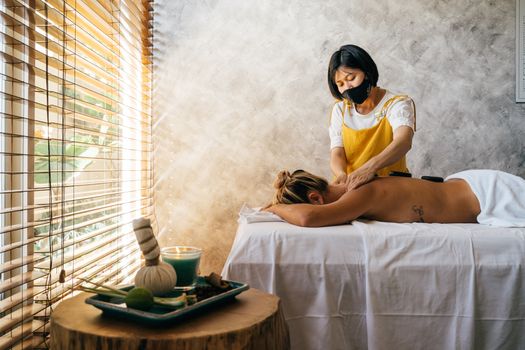
Ambiance is the secret ingredient that transforms a simple room into a true wellness retreat. Thoughtful design touches can elevate the sensory experience and promote deeper relaxation.
Color Palette: - Use calming hues such as soft blues, muted greens, or warm earth tones. According to color psychology, these shades help lower stress and induce a sense of peace. Lighting: - Harsh overhead lights can disrupt relaxation. Install dimmable lights or use multiple lamps for a soft, layered effect. - Himalayan salt lamps offer a gentle glow and are believed by some to purify air, though scientific evidence is limited. Scents and Aromatherapy: - Essential oils like lavender, eucalyptus, or chamomile can reduce anxiety and support relaxation. A 2020 study found that lavender oil significantly reduced stress levels in 67% of participants. - Use a diffuser, but avoid overpowering scents that may cause headaches or allergies. Sound: - Soothing music, nature sounds, or white noise can mask outside distractions. Curate playlists ahead of time or use a dedicated relaxation app. - Keep volume low enough that it’s never intrusive. Décor: - Minimalist décor with a few personal touches—like indoor plants, serene artwork, or a tabletop water feature—creates a peaceful atmosphere without clutter.Prioritizing Hygiene and Safety in Your Massage Room
Sanitation and safety are paramount, especially if you plan to treat others in your home massage room. Cleanliness not only protects your health but also enhances the comfort and confidence of anyone receiving a massage.
Cleaning Protocols: - Wipe down the massage table, face cradle, and high-touch surfaces with disinfectant after each use. - Wash linens in hot water (at least 140°F/60°C) to kill bacteria and viruses. - Clean floors regularly, especially if using oils that can make surfaces slippery. Product Storage: - Store massage oils, lotions, and balms in a cool, dry place to extend their shelf life. - Check expiration dates and label open containers with the date they were first used. Safety Considerations: - Keep electrical cords for lamps or diffusers safely tucked away to prevent tripping hazards. - If using candles, place them on stable surfaces and never leave them unattended. - Install a small trash can with a lid for used tissues, wipes, or other disposables. Allergy and Sensitivity Accommodations: - Stock hypoallergenic lotions and fragrance-free options for those with sensitivities. - Have a fresh set of linens for each session to avoid cross-contamination.Personalizing Your Home Massage Room for Your Wellness Goals
The beauty of a home massage room is its adaptability to your unique needs and preferences. Whether you’re an athlete using sports massage for recovery, a parent seeking stress relief, or a therapist building a client practice, personalization maximizes benefits.
Therapeutic Tools: - Add massage tools such as hot stones, foam rollers, or a percussion massager for targeted relief. - For self-massage, consider wall-mounted bars for stretching or a yoga mat for pre- and post-massage routines. Integrating Technology: - Smart lighting systems can set schedules for different moods (relaxation, energizing, etc.). - Some people install small tablets to manage playlists, meditation guides, or appointment booking apps. Multi-Functional Use: - If space is limited, design the room for dual purposes—such as a yoga and meditation studio—by using foldable equipment. - Wall hooks for storing portable tables and baskets for accessories make transformation quick and easy. Tailored Amenities: - Offer a robe and slippers for a spa-like touch. - Stock a water dispenser or herbal tea station to encourage hydration post-massage.Maximizing Your Investment: Cost, Value, and Wellness Benefits
Setting up a home massage room is an investment in your well-being and can even save money in the long run.
Cost Analysis: - Initial setup for a functional home massage room typically ranges from $300 (basic DIY) to $1,500 (pro-level). - The average professional massage in the U.S. costs $70-$100 per session. With regular use, a home massage room can pay for itself in 10-20 sessions. Wellness Impact: - Studies show that regular massage therapy reduces stress hormones (cortisol) by up to 31% and boosts serotonin levels, promoting better sleep and mood. - A dedicated space makes it easier to maintain a routine, which is key for ongoing wellness benefits. Resale and Home Value: - A well-designed wellness space can be a unique selling point if you decide to move, as more buyers seek in-home retreat areas post-pandemic.Final Thoughts: Creating Your Personal Massage Sanctuary
Designing and setting up a home massage room offers a rare opportunity to prioritize your health, relaxation, and happiness without leaving your front door. Whether you’re seeking a peaceful escape from daily stress, a space for therapeutic self-care, or a professional setting for treating clients, attention to detail in space selection, equipment, ambiance, and hygiene will yield a welcoming, effective retreat. With a thoughtful setup, your home massage room will become a cherished part of your wellness journey—one that’s always open, affordable, and tailored just for you.