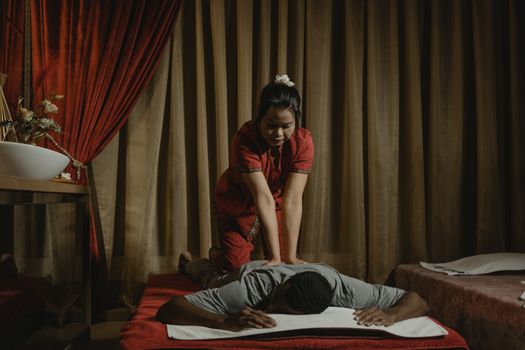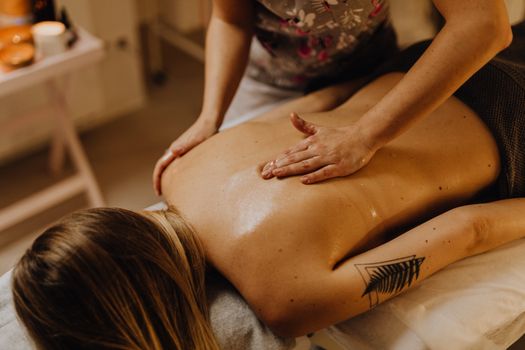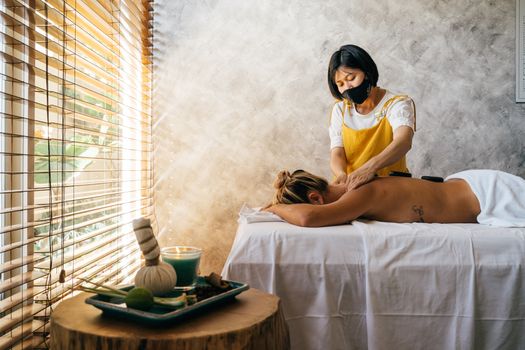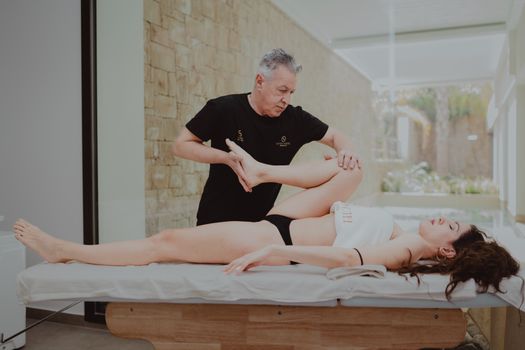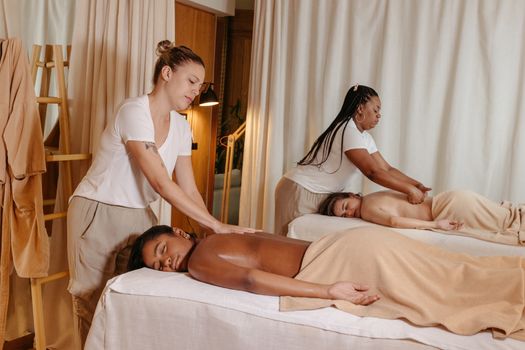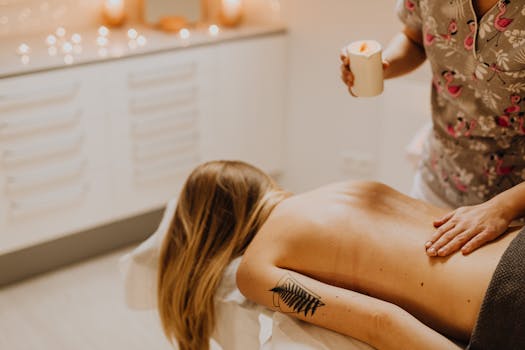
Aromatherapy massage offers a unique blend of physical touch and the therapeutic properties of essential oils, creating a deeply restorative experience that supports both body and mind. As more people seek holistic approaches to wellness, this ancient practice is gaining renewed attention. But what makes aromatherapy massage stand out from other massage techniques? And how do the fragrant essences used in these sessions influence our health on a physiological and psychological level? In this article, we’ll delve into the therapeutic benefits of aromatherapy massage, explore the science behind its effects, and help you understand how it can be a meaningful addition to your self-care or wellness routine.
The Science Behind Aromatherapy Massage
Aromatherapy massage integrates the principles of aromatherapy—using concentrated plant extracts called essential oils—with traditional massage techniques. When essential oils are inhaled or absorbed through the skin, they interact with the body in complex ways.
Scientific research shows that when you inhale essential oil molecules, they travel from the olfactory nerves directly to the brain, specifically influencing the limbic system, which governs emotions, memory, and mood. For example, a 2017 study in the journal Evidence-Based Complementary and Alternative Medicine found that inhaling lavender essential oil could significantly decrease anxiety in dental patients. Meanwhile, applying oils topically during massage allows active compounds to be absorbed through the skin, potentially reducing inflammation and muscle tension.
.png)
Aromatherapy massage, therefore, offers a dual-action approach: the physical manipulation of tissues, which improves circulation and relieves muscular discomfort, combined with the psychological and physiological effects of essential oils. This synergy creates therapeutic benefits that extend beyond those of a standard massage.
Emotional and Mental Health Benefits
One of the most profound impacts of aromatherapy massage is on emotional and mental well-being. Stress, anxiety, and depression are common modern ailments, affecting an estimated 1 in 5 adults in the United States according to the National Institute of Mental Health.
Essential oils such as bergamot, ylang-ylang, and frankincense are frequently used in aromatherapy massage to alleviate stress and promote emotional balance. A 2015 meta-analysis published in the Journal of Korean Academy of Nursing found that aromatherapy significantly reduced anxiety levels in patients with chronic illnesses. Similarly, a 2016 randomized controlled trial demonstrated that participants receiving aromatherapy massage with lavender oil reported a 43% reduction in perceived stress compared to those who received massage without essential oils.
The act of massage itself increases the production of serotonin and dopamine—neurotransmitters that are closely linked to mood regulation. When paired with calming or uplifting scents, the experience becomes a powerful tool for emotional healing and mental clarity.
Physical Health Benefits: Beyond Relaxation
While aromatherapy massage is well-known for inducing relaxation, its therapeutic advantages extend to more tangible physical health outcomes. For example, essential oils like eucalyptus and peppermint have demonstrated anti-inflammatory and analgesic (pain-relieving) properties.
A 2013 study in the journal Pain Research and Treatment found that patients with chronic lower back pain who received aromatherapy massage with ginger and orange essential oils reported a 50% reduction in pain intensity after just two weeks. In addition, the improved blood circulation and lymphatic drainage facilitated by massage can help reduce swelling, accelerate tissue repair, and support immune function.
Some essential oils, such as tea tree and eucalyptus, also have antimicrobial effects, which may help protect the skin during and after massage. This makes aromatherapy massage a versatile option for people managing conditions like arthritis, fibromyalgia, or muscle injuries.
Popular Essential Oils and Their Specific Benefits
Every essential oil possesses a unique chemical composition, and consequently, a distinct set of therapeutic properties. Choosing the right oil or blend is critical to maximizing the benefits of aromatherapy massage. Here’s a comparative overview of some of the most commonly used essential oils and their primary therapeutic uses:
| Essential Oil | Primary Effects | Ideal For |
|---|---|---|
| Lavender | Calming, sedative, reduces anxiety | Stress relief, insomnia, mood balance |
| Peppermint | Cooling, pain relief, anti-inflammatory | Muscle soreness, headaches, fatigue |
| Eucalyptus | Decongestant, antimicrobial, anti-inflammatory | Respiratory support, immunity, joint pain |
| Sweet Orange | Uplifting, mood-enhancing, antispasmodic | Depression, stress, abdominal cramps |
| Frankincense | Grounding, anti-inflammatory, immune support | Chronic pain, respiratory issues, meditation |
| Ylang-Ylang | Relaxing, aphrodisiac, lowers blood pressure | Anxiety, hypertension, emotional balance |
Each essential oil can be used alone or blended with others to target specific concerns, allowing for highly personalized massage sessions.
Safety Considerations and Best Practices
While aromatherapy massage is generally safe for most people, there are important safety guidelines to follow. Essential oils are highly concentrated and can cause skin irritation or allergic reactions if used improperly. They should always be diluted in a carrier oil, such as sweet almond or jojoba, before being applied to the skin.
Some essential oils are not recommended for use during pregnancy, on young children, or for individuals with specific health conditions. For example, rosemary and sage oils should be avoided during pregnancy, and citrus oils can increase photosensitivity, making skin more susceptible to sunburn.
It’s essential to consult with a qualified aromatherapist or healthcare provider before beginning regular aromatherapy massages, especially if you have allergies, asthma, or are taking medications. Patch testing a small amount of diluted oil on the skin before a full massage is also recommended.
Integrating Aromatherapy Massage Into Your Wellness Routine
Incorporating aromatherapy massage into your wellness routine doesn’t have to be complicated or expensive. While professional sessions offer the expertise of a trained therapist, home-based aromatherapy massage can also be effective, provided you follow safety guidelines.
A 2020 survey conducted by the American Massage Therapy Association revealed that 21% of Americans had received some form of massage therapy in the past year, with an increasing number seeking at-home solutions. Simple self-massage techniques, such as massaging the neck, shoulders, or feet with a diluted essential oil blend, can provide quick relief from daily stress and minor aches.
For a more immersive experience, consider incorporating other elements, such as calming music, dim lighting, or a warm bath before your massage. Consistency is key—regular sessions, even once a month, can help maintain the cumulative benefits of aromatherapy massage for both physical and mental health.
Final Thoughts on the Therapeutic Benefits of Aromatherapy Massage
Aromatherapy massage is far more than a spa luxury; it’s a time-tested therapeutic practice that offers a holistic approach to health and wellness. By combining the healing power of touch with the targeted effects of essential oils, it delivers profound benefits for stress reduction, pain management, emotional balance, and immune support. Whether you choose to seek professional treatments or incorporate self-massage into your routine, aromatherapy massage can play a vital role in enhancing your overall quality of life. As scientific evidence continues to validate its effects, this ancient modality is poised to remain a cornerstone of integrative wellness for years to come.