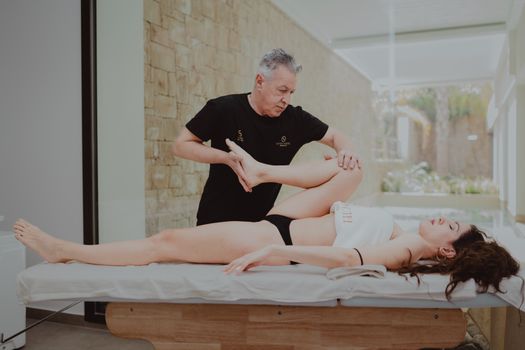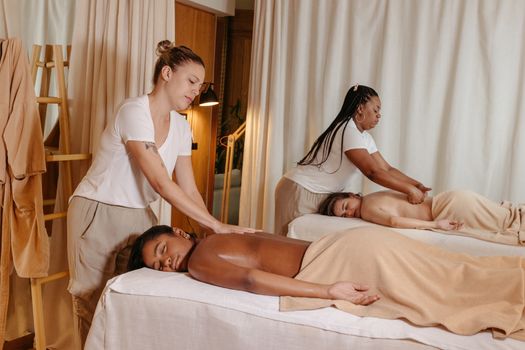
In today’s fast-paced world, anxiety and depression have emerged as two of the most common mental health challenges. According to the World Health Organization, more than 264 million people globally are affected by depression, and anxiety disorders impact an estimated 284 million individuals. While traditional treatments such as therapy and medication are effective, an increasing number of people are turning to complementary approaches, like massage therapy, to find relief. But how exactly can massages help with anxiety and depression? Let’s explore the science, the unique mechanisms at work, and real-world results that make massage therapy a promising tool in the mental health toolkit.
The Science Behind Massage and Mood: How Touch Impacts the Brain
Massage therapy is far more than a luxury spa indulgence—it produces measurable changes in the body’s chemistry and nervous system. When a person receives a massage, the body responds by decreasing levels of cortisol, the primary stress hormone, and increasing the production of serotonin and dopamine, neurotransmitters associated with feelings of happiness and well-being.
A 2010 meta-analysis published in the journal Depression and Anxiety found that massage therapy can reduce symptoms of both anxiety and depression by an average of 50%. The researchers noted that even after just a few sessions, participants reported significant improvements in their mood and stress levels.
.png)
Key mechanisms through which massage influences mental health include:
- $1, which induces a relaxation response, slowing heart rate and lowering blood pressure. - $1, the body’s natural painkillers and mood enhancers. - $1, which often accompanies anxiety and depressive disorders.This combination of biochemical and physiological effects creates a powerful foundation for mental health support.
Types of Massage That Target Anxiety and Depression
Not all massage styles are created equal when it comes to mental health benefits. Some techniques are especially effective at alleviating anxiety and depressive symptoms due to their focus on relaxation, gentle pressure, and the promotion of mind-body connection.
Here’s a comparative overview of popular massage types and their efficacy for anxiety and depression:
| Massage Type | Primary Focus | Reported Mental Health Benefits | Session Duration (Average) |
|---|---|---|---|
| Swedish Massage | Gentle, full-body relaxation | Reduces stress and anxiety, improves mood | 60-90 minutes |
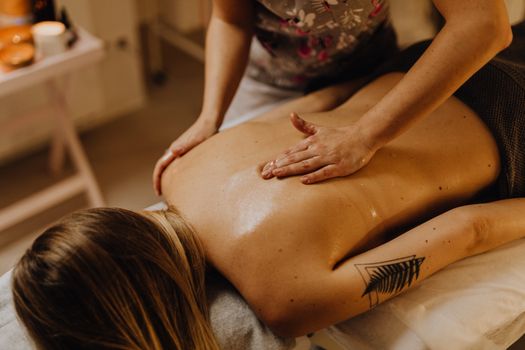
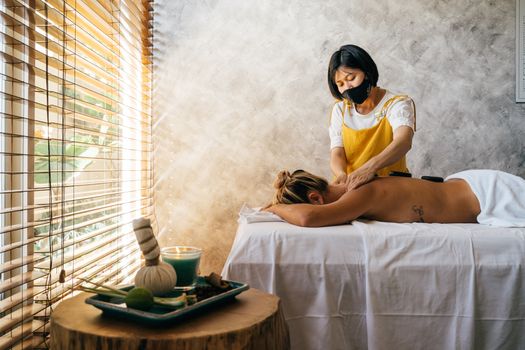
| Aromatherapy Massage | Essential oils + gentle touch | Enhances relaxation, eases depressive symptoms | 60-75 minutes |
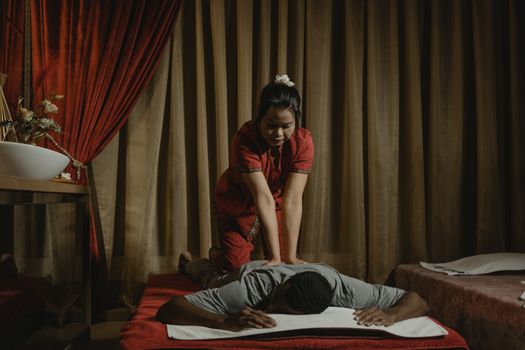
| Shiatsu | Pressure point therapy | Balances energy, calms nervous system | 60 minutes |
| Reflexology | Feet and hand stimulation | Promotes relaxation, decreases anxiety | 30-60 minutes |
| Deep Tissue Massage | Intense muscle focus | Reduces physical tension (less direct for mood) | 60-90 minutes |
A 2018 review by the American Massage Therapy Association noted that Swedish and aromatherapy massages are particularly effective for individuals experiencing mood disorders due to their gentle techniques and the added benefits of soothing scents.
How Regular Massage Sessions Support Emotional Resilience
Consistency is key with any wellness approach, and massage therapy is no exception. While a single session can provide temporary relief, ongoing massage treatments have been shown to build emotional resilience and help manage symptoms over the long term.
A study published in the Journal of Clinical Psychiatry followed individuals with generalized anxiety disorder who received twice-weekly massages for six weeks. Results showed a 30% reduction in anxiety scores, and many participants continued to feel benefits up to three months later. Similarly, patients with major depressive disorder reported improved sleep, increased energy, and better concentration after a month of regular massage therapy.
The cumulative effects of regular massage include:
- Lower baseline stress levels, making it easier to handle daily challenges. - Improved sleep quality, which is closely linked to mood stability. - Enhanced self-awareness and mindfulness, which support emotional regulation.For individuals managing chronic anxiety or depression, incorporating massage into a holistic self-care routine can be a game-changer.
Massage as a Complementary Therapy: Integrating with Traditional Treatments
It’s important to note that massage therapy is not a replacement for professional mental health care. However, it can be a valuable complementary tool alongside counseling, medication, and lifestyle changes.
A 2021 survey by the National Center for Complementary and Integrative Health found that 41% of Americans who used massage therapy did so to support mental well-being. Many reported that massage helped them manage side effects of antidepressants (like muscle tension or insomnia) and made it easier to engage with talk therapy by reducing overall stress levels.
Integration tips for those considering massage as part of their mental health plan:
- $1 before beginning any new therapy, especially if you have a complex mental health history or are taking psychiatric medications. - $1 about your needs, triggers, and comfort levels. - $1, such as mindfulness, physical activity, and healthy nutrition.Incorporating massage into a broader wellness approach can enhance overall results and contribute to a more balanced, resilient mind.
Real Stories: How Massage Changed Lives Affected by Anxiety and Depression
The science is clear, but personal experiences bring the evidence to life. Many people living with anxiety and depression have shared stories of how massage therapy has provided them with hope, comfort, and strength.
Consider Jane, a 34-year-old teacher diagnosed with generalized anxiety disorder. After struggling with insomnia and panic attacks, Jane began weekly Swedish massage sessions. Within a month, she noticed her sleep improving and her anxiety attacks becoming less frequent. “It was the first time I felt truly relaxed in years,” she recalls.
Or Mark, a 58-year-old retiree coping with depression after losing his spouse. He tried aromatherapy massage as part of his grieving process. Mark says, “It was like the clouds parted. For an hour, I felt lighter, and it gave me the motivation to keep moving forward.”
While individual outcomes vary, these stories echo what research continues to find: massage can offer not just physical relief, but a vital sense of emotional support during challenging times.
Key Considerations: Safety, Accessibility, and Making the Most of Massage
Before booking a massage, it’s important to consider practical factors to ensure a safe and positive experience:
- $1: Verify credentials and experience, especially for clients with mental health needs. - $1: Many therapists are trained to support clients with anxiety and depression, and tailoring the session can make a big difference. - $1: While side effects are rare, some individuals may experience emotional releases or temporary discomfort. Always communicate openly with your provider. - $1: In the U.S., the average cost of a 60-minute massage is $65-90, and some insurance plans may cover therapeutic massage for diagnosed conditions.For those unable to access professional massage, self-massage techniques, chair massages, or community clinics can offer more affordable alternatives. Mobile apps and online videos can also guide beginners in basic self-care routines.
Final Thoughts on Massage Therapy for Anxiety and Depression
Massage therapy stands out as a powerful, evidence-based complementary approach for managing anxiety and depression. By fostering relaxation, balancing brain chemistry, and providing meaningful human connection, massage can make a real difference in emotional well-being. While it’s not a cure-all, when integrated thoughtfully into a holistic mental health plan, massage offers a safe, accessible, and nurturing path toward healing.
If you or a loved one are seeking new strategies for coping with anxiety or depression, consider talking to a healthcare provider about the potential benefits of massage therapy. Small steps toward self-care can lead to big changes over time.