Massages and Their Impact on Post-Surgery Recovery: What You Should Know
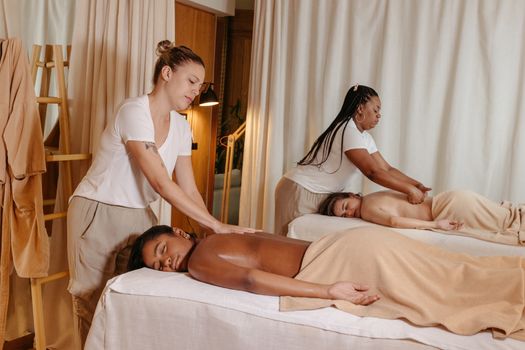
Recovering from surgery is a journey that often involves discomfort, swelling, limited mobility, and emotional stress. While medical follow-up and physical therapy are the cornerstones of post-operative care, a growing body of research highlights the complementary role of massage therapy in speeding up recovery, reducing complications, and improving overall patient well-being. But how does massage actually influence the recovery process after surgery? What types are most beneficial, and what precautions should be taken? This article explores the science, benefits, risks, and key considerations of massage therapy in post-surgical care, arming you with essential knowledge to make informed decisions about your recovery.
The Science Behind Massage in Post-Surgical Recovery
Massage therapy has been practiced for centuries, but its integration into post-operative care is relatively recent. The main goal of post-surgical massage is to support the body's natural healing process, which involves reducing swelling, improving circulation, and minimizing scar tissue formation.
After surgery, the body’s tissues can become inflamed and accumulate fluid, leading to swelling (edema). Studies have shown that massage techniques, especially manual lymphatic drainage (MLD), can stimulate the lymphatic system, helping the body remove excess fluid more efficiently. For example, a 2018 review in the Journal of Clinical Medicine found that patients who received post-surgical MLD experienced a 30% faster reduction in swelling compared to those who didn't.
.png)
Massage can also reduce muscle stiffness, discomfort, and the formation of adhesions—bands of scar tissue that can limit mobility. According to the American Massage Therapy Association, around 70% of post-operative patients report improved range of motion and pain relief following targeted massage sessions.
Furthermore, massage has been linked to lower levels of the stress hormone cortisol and higher production of endorphins, the body’s natural painkillers. This neurochemical response helps patients relax and cope better with the psychological strain of recovery.
Types of Massage Used in Post-Surgery Recovery
Not all massages are created equal, especially when it comes to post-surgical care. The choice of massage type depends on the surgery, individual health status, and the stage of healing. Here are the most common massage modalities used after surgery:
1. Manual Lymphatic Drainage (MLD): This gentle technique is designed to stimulate the lymphatic system and reduce swelling. MLD is especially popular after cosmetic procedures like liposuction, facelifts, and tummy tucks. Research shows that MLD can decrease swelling by up to 40% in the first two weeks post-surgery. 2. Scar Tissue Massage: Once the incision has healed, specialized techniques help soften and mobilize scar tissue, preventing adhesions and thick, raised scars (hypertrophic scars). 3. Swedish Massage: Light Swedish massage improves circulation, relieves muscle tension, and promotes relaxation. It is typically introduced several weeks after surgery, once the risk of complications has decreased. 4. Myofascial Release: This technique targets the connective tissue (fascia) to restore movement, reduce pain, and address post-surgical stiffness. 5. Deep Tissue Massage: Used cautiously and only after sufficient healing, deep tissue massage can help address chronic tension and residual tightness.| Type of Massage | Main Benefits | Typical Timing Post-Surgery | Commonly Used After |
|---|---|---|---|
| Manual Lymphatic Drainage | Reduces swelling, supports lymphatic flow | First few days to weeks | Liposuction, facelifts, orthopedic surgery |
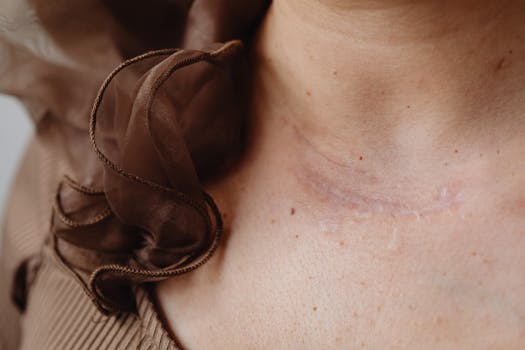
| Scar Tissue Massage | Prevents adhesions, softens scars | After incision heals (2-6 weeks) | Any surgery with an incision |
| Swedish Massage | Enhances relaxation, reduces tension | 2+ weeks, after doctor’s approval | General postoperative recovery |
| Myofascial Release | Improves mobility, relieves stiffness | 4+ weeks after surgery | Orthopedic, abdominal, breast surgery |
| Deep Tissue Massage | Targets chronic tightness | 6-8 weeks, only if cleared by doctor | Orthopedic surgery, long-term recovery |
Key Benefits of Massage in the Post-Surgical Phase
Massage therapy offers a range of evidence-backed benefits for patients recovering from surgery. These go beyond simple relaxation and include:
1. Faster Reduction of Swelling: In a study of post-breast cancer surgery patients, those who received lymphatic drainage massages saw a 50% reduction in arm swelling within a month compared to those who did not. 2. Pain Management: Massage has been shown to reduce the need for pain medications. For instance, a 2017 study in the journal Pain Medicine found that post-surgical patients who received massage therapy used 25% fewer opioids during recovery. 3. Improved Mobility and Flexibility: By gently working on muscles and fascia, massage prevents stiffness and helps restore normal movement patterns. This is especially valuable after orthopedic surgeries such as knee replacements. 4. Enhanced Psychological Well-Being: Recovery can be stressful and isolating. Massage therapy is associated with lower anxiety and depression rates during post-surgery periods. 5. Scar Tissue Improvement: Clinical evidence suggests that regular scar massage (once wounds have healed) can reduce the thickness and discoloration of scars, supporting better cosmetic and functional outcomes.Risks and Precautions: When Massage May Not Be Appropriate
While massage therapy offers many benefits, it is not suitable for everyone or at every stage of recovery. Certain risks and contraindications must be considered:
- Timing Matters: Massage should never be performed over open wounds, stitches, or areas of active infection. Most therapists recommend waiting at least two weeks or until sutures are removed and the incision is fully closed. - Blood Clot Risk: After certain surgeries, especially orthopedic or abdominal procedures, there is a risk of deep vein thrombosis (DVT). Massage in the early post-operative phase can dislodge clots, leading to potentially life-threatening complications. - Fragile Tissues: Early after surgery, tissues are vulnerable to damage. Only gentle, specialized techniques should be used, and always under medical supervision. - Certain Conditions: Patients with uncontrolled hypertension, heart failure, active cancer, or certain skin conditions may not be good candidates for massage therapy.Always consult with your surgeon or healthcare provider before starting massage therapy after surgery. Certified post-surgical massage therapists are trained to recognize these risks and adjust their approach accordingly.
How to Incorporate Massage Safely Into Your Post-Surgery Recovery Plan
If you’re considering massage as part of your recovery, here are steps to maximize safety and effectiveness:
1. Get Medical Clearance: Always discuss your interest in massage with your surgeon or primary care provider. They can advise on the best timing, appropriate techniques, and any risks specific to your case. 2. Choose a Credentialed Therapist: Look for a massage therapist with specific training in post-surgical care or lymphatic drainage. Many therapists hold certifications from organizations such as the Lymphology Association of North America (LANA) or the Society for Oncology Massage. 3. Start Slow: Begin with gentle, non-invasive techniques, and gradually increase intensity as healing progresses. 4. Communicate Openly: Tell your therapist about your surgery details, pain levels, and any discomfort during the session. 5. Monitor for Side Effects: Watch for excessive pain, redness, swelling, or signs of infection after massage. If any of these occur, contact your healthcare provider immediately.Real-Life Stories: How Massage Changed Recovery Outcomes
Many patients have experienced firsthand the positive impact of massage during their post-surgical journeys.
Case 1: Sarah, 42, underwent cosmetic abdominal surgery and struggled with swelling and tightness. After four sessions of manual lymphatic drainage over two weeks, she reported a 70% reduction in swelling and felt comfortable returning to work sooner than anticipated.
Case 2: John, 55, had knee replacement surgery. He began myofascial release therapy one month post-op. Within six weeks, he regained full range of motion and noticed significantly less scarring compared to his first (untreated) knee.
Case 3: Maria, 38, had a mastectomy and was anxious about her appearance and limited arm movement. Her healthcare team recommended scar massage and gentle Swedish massage. Three months later, her scar was softer and less visible, and she reported improved mood and confidence.
These real-world examples are supported by research; the National Institutes of Health (NIH) estimates that integrating massage into post-surgical care can shorten overall recovery time by 10-20% for many procedures.
Maximizing the Benefits: Tips for Patients and Caregivers
To get the most from post-surgical massage therapy:
- Follow your doctor’s guidelines on activity and healing stages. - Hydrate well before and after massage sessions to help flush out toxins. - Combine massage with other rehabilitation approaches, such as physical therapy, for comprehensive recovery. - Set realistic expectations: Massage is a supportive therapy, not a cure-all, but its benefits can be significant when used wisely.What to Remember About Massages and Post-Surgery Recovery
Massage therapy is an increasingly accepted and research-backed part of post-surgery recovery, offering benefits such as faster swelling reduction, better pain control, improved mobility, and psychological comfort. However, it’s essential to approach massage carefully, with medical guidance and the help of a qualified therapist. By understanding the science, types, timing, and precautions involved, patients can make the most of massage therapy and enjoy a smoother, more comfortable recovery journey.