The Art of Japanese Shiatsu Massage: Techniques, Origins, and Modern Practice
The world of therapeutic bodywork is vast, but few modalities combine the depth of traditional Eastern healing with the accessibility of modern wellness quite like Japanese Shiatsu massage. Rooted in centuries-old Japanese medicine and philosophy, Shiatsu is more than a form of relaxation—it is an art that seeks to balance the body’s energy, alleviate pain, and promote holistic health. As global interest in natural health techniques rises, understanding Shiatsu’s unique approach offers a window into both time-honored wisdom and 21st-century well-being.
The Origins and Philosophy of Shiatsu Massage
Shiatsu, which translates to "finger pressure" in Japanese, has its origins in the early 20th century but is deeply influenced by much older traditions. The practice was formally established in Japan in the 1920s by Tokujiro Namikoshi, who synthesized ancient Anma massage techniques with Western anatomy and physiology. However, its philosophical roots trace back to Traditional Chinese Medicine (TCM), especially the concepts of Qi (vital energy) and meridians (energy pathways).
What distinguishes Shiatsu is its holistic approach. Practitioners view the body as an interconnected system where physical and emotional health are intimately linked. Instead of focusing solely on muscles or joints, Shiatsu aims to restore balance and flow to the body’s energy system, believing that blockages or imbalances in Qi can lead to discomfort, pain, or illness.
.png)
A 2014 survey in Japan found that over 25% of adults had received Shiatsu or a related form of massage in the previous year, highlighting its enduring popularity in its home country. This philosophy of interconnectedness and balance continues to resonate globally, making Shiatsu not just a therapeutic technique, but a lifestyle practice.
Core Techniques and Methods Used in Shiatsu
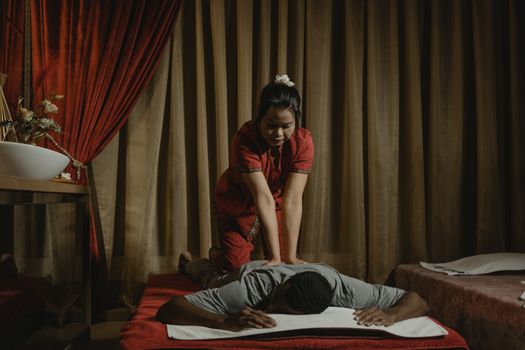
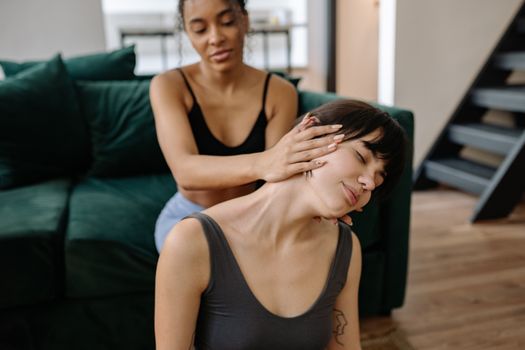
Shiatsu is characterized by the use of finger and palm pressure along the body’s meridians. Unlike many Western massages that rely on oils and kneading, Shiatsu is typically performed with the recipient fully clothed, lying on a mat or futon.
Key techniques include:
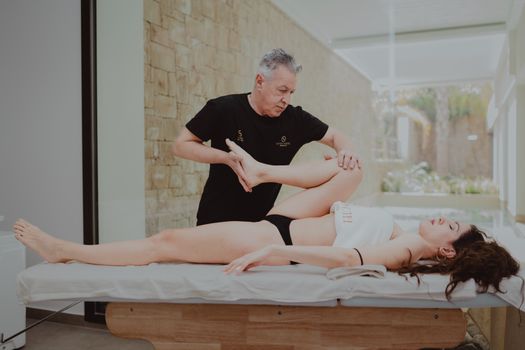
- $1 Applying rhythmic, sustained pressure to specific points along the body’s meridians to stimulate energy flow and relax tense areas. - $1 Gently moving limbs and joints to enhance flexibility and release tension. - $1 Rolling or rotating the limbs to support natural mobility. - $1 Placing hands on certain body areas without movement, which is believed to encourage energetic balance.A Shiatsu session usually lasts between 40 and 90 minutes. The practitioner tailors the treatment based on the client’s needs, often beginning with a diagnostic assessment (such as gentle palpation of the abdomen, known as "hara" diagnosis). This personalized approach is fundamental to Shiatsu and distinguishes it from more standardized massage styles.
A 2019 study published in the Journal of Alternative and Complementary Medicine found that regular Shiatsu sessions significantly reduced stress and anxiety scores in participants over a 6-week period, supporting the efficacy of these core techniques.
Shiatsu vs. Other Massage Modalities: A Comparative Overview
Shiatsu is one of many massage therapies practiced worldwide, but how does it compare to other well-known techniques such as Swedish massage, Thai massage, and Deep Tissue massage? The table below summarizes key differences:
| Modality | Origin | Main Techniques | Typical Session | Primary Benefits |
|---|---|---|---|---|
| Shiatsu | Japan | Finger/palm pressure, stretching, joint rotation | Fully clothed, on mat/futon | Balancing energy, stress relief, pain reduction |
| Swedish Massage | Sweden | Effleurage, kneading, tapping, friction | Disrobed, on massage table with oils | Relaxation, improved circulation, muscle tension relief |
| Thai Massage | Thailand | Stretching, acupressure, yoga-like movements | Fully clothed, on mat | Flexibility, energy flow, joint mobility |
| Deep Tissue | USA/Europe | Slow, deep strokes, firm pressure | Disrobed, on massage table with oils | Chronic pain relief, muscle rehabilitation |
Shiatsu stands out for its emphasis on energy flow and meridian lines, its use of clothing, and its integration of both physical and energetic diagnostic methods. While all modalities offer relaxation and health benefits, Shiatsu’s unique blend of Eastern philosophy and hands-on technique provides a distinct experience.
The Health Benefits of Shiatsu: What Science Says
While Shiatsu has long been celebrated anecdotally, modern research increasingly supports its health-promoting effects. Here are some of the most compelling benefits identified by scientific studies:
1. $1 A 2015 randomized controlled trial in the Journal of Bodywork and Movement Therapies reported that participants receiving Shiatsu showed a 33% greater reduction in self-reported stress scores compared to a waitlist control group. 2. $1 Shiatsu has been found effective for managing chronic pain conditions. For example, a Japanese study in 2018 involving 120 participants with lower back pain observed significant pain reduction in the Shiatsu group versus standard care. 3. $1 A 2020 study in Complementary Therapies in Medicine found that cancer patients who received weekly Shiatsu sessions experienced a 22% improvement in sleep quality compared to those receiving standard care. 4. $1 Practitioners often report improvements in digestion and circulation among clients, though large-scale studies are still limited. 5. $1 Regular Shiatsu can support joint health and flexibility, making it a valuable adjunct for athletes and older adults.It’s important to note that Shiatsu is generally considered safe for most individuals. However, those with certain medical conditions (like severe osteoporosis or blood clotting disorders) should consult a healthcare provider before beginning treatment.
The Shiatsu Experience: What to Expect in a Session
For those new to Shiatsu, the first session can be both intriguing and deeply relaxing. Here’s what typically happens during a Shiatsu appointment:
1. $1 The therapist discusses your health history, goals, and any current symptoms. In many cases, an abdominal (hara) diagnosis and observation of posture or movement may be performed to identify energy imbalances. 2. $1 Shiatsu is usually performed fully clothed, often in comfortable, loose attire. Sessions take place on a futon or mat on the floor, though some practitioners offer table Shiatsu. 3. $1 Expect a combination of gentle to firm finger and palm pressure along meridian lines, targeted stretches, and joint rotations. The pressure is typically steady and rhythmic, adjusted for comfort and therapeutic effect. 4. $1 Many people report feeling deeply relaxed, energized, or even emotionally lighter after a session. It’s common to receive recommendations for stretches, breathing exercises, or lifestyle adjustments to support ongoing balance.A typical Shiatsu treatment plan may involve weekly or biweekly sessions for 6-8 weeks, followed by maintenance appointments as needed.
The Role of Shiatsu in Modern Wellness
In today’s fast-paced, technology-driven world, stress-related illnesses and chronic pain are on the rise. According to the World Health Organization, stress is the health epidemic of the 21st century, with nearly 75% of adults reporting moderate to high stress levels globally. Increasingly, people are turning to integrative therapies like Shiatsu to manage both physical and emotional health.
Shiatsu’s appeal lies in its ability to bridge ancient wisdom and contemporary wellness. Its focus on energy balance, mind-body integration, and non-invasive techniques makes it accessible for many populations—including the elderly, pregnant women (with modifications), and those with chronic illnesses.
Globally, Shiatsu is recognized as a complementary therapy. In countries like the UK, Germany, and Australia, professional associations maintain rigorous standards for practitioner training, and a growing number of health insurance plans cover Shiatsu for certain conditions.
Shiatsu Training and Certification: Becoming a Practitioner
For those inspired to practice Shiatsu professionally, training involves both rigorous study and hands-on experience. Standard Shiatsu certification programs typically include:
- $1 Anatomy, physiology, pathology, and the philosophy of Eastern medicine. - $1 Mastery of pressure techniques, diagnosis, and client assessment. - $1 Completion of 500-1,000 hours of supervised clinical practice, depending on country and school.Internationally, organizations such as the Shiatsu Society (UK) and the American Organization for Bodywork Therapies of Asia (AOBTA) provide certification and uphold ethical standards. In Japan, Shiatsu is recognized by the Ministry of Health, Labor and Welfare, and practitioners must meet national licensing requirements.
Whether practiced as a profession or simply as a self-care tool, studying Shiatsu can deepen one’s understanding of holistic health, body awareness, and the power of compassionate touch.
Exploring the Art of Japanese Shiatsu Massage: A Holistic Approach to Health
The art of Japanese Shiatsu massage stands at the crossroads of tradition and modernity, offering a gentle yet profound method for nurturing body, mind, and spirit. Its unique combination of hands-on technique, energetic awareness, and individualized care resonates in an era where health is understood as a dynamic, multifaceted experience.
From its origins in Japanese culture to its adoption worldwide, Shiatsu’s philosophy of balance and wholeness offers enduring relevance. Whether you seek relief from physical pain, support for emotional well-being, or simply a moment of deep relaxation, Shiatsu invites you to reconnect with your innate vitality—one mindful touch at a time.