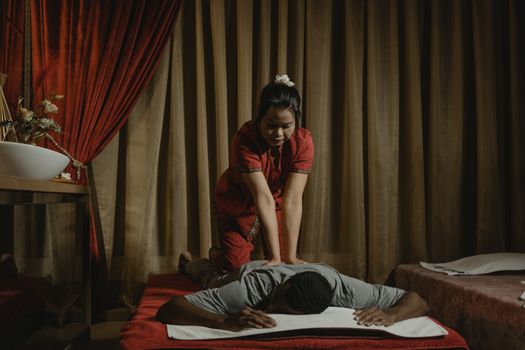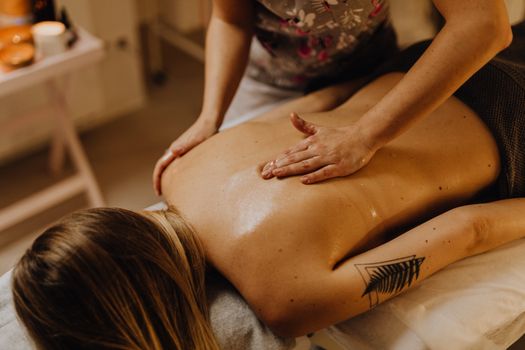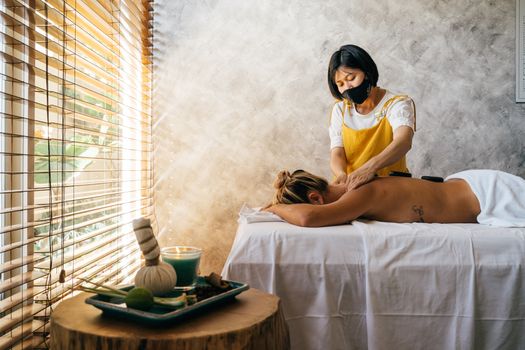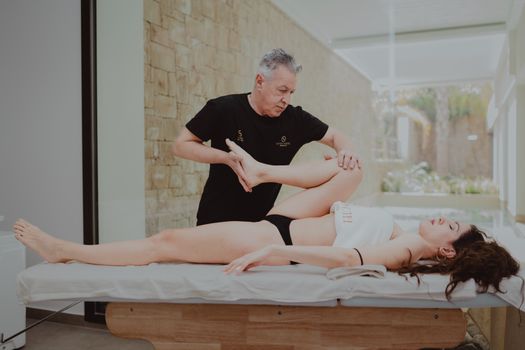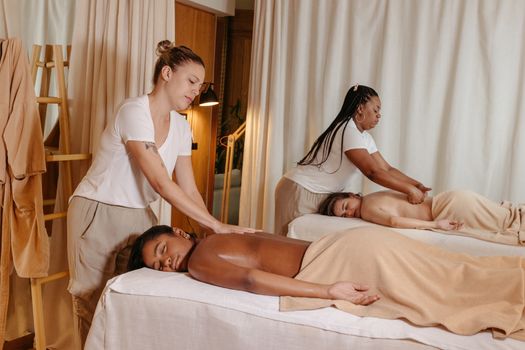
Massage therapy is often associated with relaxation, stress relief, and muscle recovery. However, behind the soothing touch lies a growing body of scientific evidence suggesting that massages may have a significant impact on the immune system. As our understanding of mind-body connections deepens, researchers are uncovering how massage could serve as a supportive therapy for bolstering immune function. This article delves into the science behind massage and immunity, exploring mechanisms, clinical studies, and the potential for integrating massage into holistic health practices.
The Science Behind Massage and Immune Function
The immune system is a complex network involving white blood cells, cytokines, and other biological factors working together to defend the body against pathogens. Stress, inflammation, and lifestyle choices can weaken immune response, making individuals more susceptible to illness. Massage therapy, traditionally valued for its calming effects, is now being studied for its influence on these immune components.
A landmark study published in the Journal of Alternative and Complementary Medicine (2010) found that even a single session of Swedish massage led to measurable changes in the body’s immune and endocrine responses. The researchers observed decreased levels of cortisol (the primary stress hormone) and increased numbers of lymphocytes—white blood cells essential for immune defense—just 45 minutes after massage therapy.
.png) Massage appears to impact the immune system through several pathways:
- Reducing stress hormones that suppress immunity
- Improving circulation, which facilitates the movement of immune cells
- Modulating inflammation through cytokine production
- Enhancing lymphatic flow, supporting detoxification and immune surveillance
Massage appears to impact the immune system through several pathways:
- Reducing stress hormones that suppress immunity
- Improving circulation, which facilitates the movement of immune cells
- Modulating inflammation through cytokine production
- Enhancing lymphatic flow, supporting detoxification and immune surveillance
These findings represent only the tip of the iceberg. Let’s explore each mechanism in detail and review what current research reveals about the immune-boosting effects of massage.
Neuroendocrine Response: Stress Reduction and Immune Boosting
Chronic stress is a well-known immune suppressant. Elevated levels of cortisol and adrenaline can impede the production and activity of immune cells, leaving the body more vulnerable to infections. Massage therapy has demonstrated a consistent ability to lower stress hormones, thereby creating a more favorable environment for immune activity.
In a controlled trial, participants who received a 45-minute Swedish massage experienced a 31% reduction in cortisol levels, according to research conducted at Cedars-Sinai Medical Center. Simultaneously, the study reported a significant increase in oxytocin, a hormone associated with feelings of trust and relaxation. Lower cortisol and higher oxytocin levels contribute to a balanced neuroendocrine state, which in turn supports healthy immune regulation.
Furthermore, massage stimulates the parasympathetic nervous system—the branch responsible for “rest and digest” activities—thus helping the body shift from a state of chronic stress to one more conducive to immune function.
Impact on White Blood Cells and Cytokines
White blood cells (WBCs) are the immune system’s soldiers, targeting and neutralizing pathogens. Several studies have documented massage’s influence on WBC counts and cytokine production—key indicators of immune status.
A 2012 study published in the International Journal of Neuroscience found that individuals who underwent regular massage therapy had higher levels of natural killer (NK) cells, a type of WBC that plays a critical role in fighting viral infections and cancer cells. In the same study, participants exhibited lower levels of pro-inflammatory cytokines such as interleukin-6 (IL-6), which are implicated in chronic inflammation and autoimmune disorders.
The table below summarizes some of the key findings from clinical studies investigating massage and immune markers:
| Study | Massage Type | Immune Outcome | Key Result |
|---|---|---|---|
| Rapaport et al. (2010) | Swedish Massage | Lymphocytes & Cortisol | Increase in lymphocytes; 31% drop in cortisol |
| Field et al. (2005) | Back Massage | NK Cells | Significant rise in NK cell activity |
| Ironson et al. (1996) | Massage for HIV+ patients | CD4+ T Cells | Improvement in CD4+ counts over 5 weeks |
These studies highlight that massage’s benefits extend beyond relaxation, potentially supporting immune surveillance and reducing the risk of infection or disease progression.
Lymphatic Flow and Detoxification
The lymphatic system is a critical but often overlooked part of the immune network. It transports lymph—a fluid containing infection-fighting white blood cells—throughout the body and helps remove toxins, waste, and other unwanted materials. Unlike the cardiovascular system, the lymphatic system does not have a central pump and depends on muscle movement and manual manipulation to circulate lymph fluid.
Manual lymphatic drainage (MLD), a specialized massage technique, is designed to stimulate lymph flow. Clinical evidence indicates that MLD can enhance lymph circulation, thereby accelerating the removal of pathogens, metabolic waste, and inflammatory molecules.
For example, a 2015 study in the journal Lymphology demonstrated that patients who received regular MLD experienced a 20% increase in lymphatic flow. Enhanced lymph circulation not only reduces swelling and supports detoxification but also enables immune cells to reach affected tissues more efficiently, strengthening the body’s defenses.
Massage, Inflammation, and Chronic Disease
Chronic, low-grade inflammation is linked to a host of conditions, from heart disease to diabetes and autoimmune disorders. Pro-inflammatory cytokines such as TNF-alpha and IL-6 play a central role in maintaining this state of inflammation.
Massage therapy has shown promise in modulating inflammatory responses. A 2012 study by researchers at McMaster University found that massage reduced the expression of inflammatory cytokines in muscle tissue following exercise-induced damage. Participants who received massage after intense physical activity showed 25% lower levels of TNF-alpha compared to those who did not receive massage.
By controlling inflammation, massage may help break the cycle of immune system overactivation, reduce the burden of chronic diseases, and potentially ameliorate symptoms in individuals with autoimmune conditions.
Who Can Benefit? Populations and Practical Applications
While the immune-boosting effects of massage are still being explored, certain populations may derive particular benefit:
- $1 Age-related decline in immune function (immunosenescence) increases susceptibility to infections. Regular massage may help maintain immune resilience. - $1 High stress levels are linked to impaired immunity; massage offers a non-pharmacological approach to stress management. - $1 Patients with autoimmune diseases, cancer, or chronic infections may experience improved quality of life and immune markers with adjunctive massage therapy. - $1 Massage can help athletes recover from intense training, reduce inflammation, and support immune defenses during high physical stress.Integrating massage into a health care routine should be tailored to individual needs and medical conditions. Consult with a qualified massage therapist and healthcare provider to determine the best approach.
Limitations and Future Directions in Massage-Immune Research
Despite promising findings, it’s important to recognize the limitations of current research. Many studies are small, short-term, or lack rigorous controls. Immune response is highly individualized, and the benefits of massage may vary depending on frequency, technique, and the recipient’s health status.
Future research should focus on: - Large-scale, randomized controlled trials - Long-term effects of regular massage on immune function - Comparative studies of different massage modalities - Exploring mechanisms in populations with specific immune challengesAs our scientific understanding grows, so does the potential to harness massage as a complementary tool for immune support.
Final Thoughts: The Promise of Massage for Immune Health
The relationship between massage therapy and the immune system is complex and multifaceted. While massage is not a replacement for vaccination, medication, or other medical interventions, scientific evidence increasingly supports its role in enhancing immune function through stress reduction, improved lymphatic flow, and modulation of inflammatory processes. For those seeking a holistic approach to health, massage offers both immediate relaxation and the promise of long-term immune resilience.
As with any therapy, individual experiences may vary. Regular massage—when combined with good nutrition, exercise, and stress management—can be an enjoyable and effective way to support overall wellbeing, including a healthy immune system.