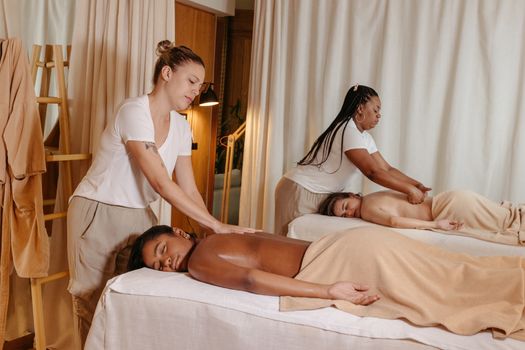
Choosing the right massage technique can make a world of difference when it comes to pain relief. With over 50 million Americans experiencing chronic pain according to the CDC, understanding how to match your pain type with the appropriate massage therapy is essential for effective relief and long-term wellness. Whether you struggle with tension headaches, back pain, joint stiffness, or post-injury soreness, each type of pain responds best to different massage modalities. This comprehensive guide breaks down how to choose the right massage based on the nature and cause of your discomfort, empowering you to make informed decisions for your self-care and recovery.
Understanding Pain Types: Acute, Chronic, and Referred Pain
Before selecting a massage style, it’s crucial to identify the type of pain you’re experiencing. Pain is often categorized into three primary types:
- Acute Pain: Sudden and sharp, usually resulting from an injury, surgery, or short-term condition. It typically lasts less than three months. - Chronic Pain: Lasts longer than three months and may be constant or intermittent. Common examples include arthritis, fibromyalgia, and long-term back pain. - Referred Pain: Pain felt in a part of the body different from its actual source, such as sciatic pain radiating down the leg.According to the National Institutes of Health, about 20% of adults in the United States experience chronic pain, and 8% have high-impact chronic pain that limits their daily activities. The type of pain you have will influence which massage therapy is most effective and safe for you.
.png)
Matching Massage Techniques to Pain Sources
Not all pain is created equal, and neither are massage therapies. Here’s how the most common massage styles align with specific pain types:
1. Swedish Massage: Best for generalized muscle tension and stress-related aches. Its gentle, flowing strokes help relax superficial muscles, making it ideal for those new to massage or dealing with mild, widespread discomfort. 2. Deep Tissue Massage: Effective for chronic muscle pain, stiffness, and old injuries. This technique targets deeper muscle layers and connective tissue, breaking up scar tissue and adhesions. It’s supported by studies—one published in the Journal of Clinical Psychiatry found deep tissue massage reduced chronic low back pain by 36% after ten sessions. 3. Trigger Point Therapy: Ideal for localized pain or knots, especially in the neck, shoulders, or back. Therapists apply direct pressure to “trigger points” where muscle fibers are tight, helping release referred pain. 4. Sports Massage: Tailored for athletes or those with repetitive strain injuries. It combines techniques like stretching, compression, and friction to address pain from overuse and enhance performance. 5. Myofascial Release: Designed for chronic pain conditions like fibromyalgia or postural problems. This technique gently stretches and releases the connective tissue (fascia) enveloping muscles, improving mobility and reducing pain. 6. Neuromuscular Therapy: Focuses on correcting imbalances and treating nerve-related pain, such as sciatica or carpal tunnel syndrome, by applying pressure to specific points.Identifying Pain Location and Selecting Massage Modalities
Pain location is as important as pain type. Here’s a breakdown of common pain areas and the massage techniques most often recommended for each:
- Neck and Shoulder Pain: Often caused by posture or stress, these areas benefit from deep tissue massage, trigger point therapy, or myofascial release. - Lower Back Pain: Chronic lower back pain responds well to deep tissue massage, neuromuscular therapy, and myofascial release. A 2017 study in the journal Pain Medicine reported a 30% reduction in back pain severity after four weeks of regular therapeutic massage. - Joint Pain (e.g., knees, elbows): Swedish massage and gentle myofascial release are preferred for joint pain, especially if inflammation is present. - Headaches/Migraines: For tension headaches, scalp and neck massage, particularly trigger point therapy, can provide significant relief. - Post-Injury or Surgery: Lymphatic drainage massage can help reduce swelling and support healing, while sports massage aids in recovery from strains or sprains.Comparing Massage Techniques for Different Pain Types
To help you quickly identify which massage style suits your needs, here’s a comparative overview:
| Pain Type/Location | Recommended Massage | Pressure Level | Best For |
|---|---|---|---|
| Generalized Muscle Tension | Swedish Massage | Light to Medium | Stress, Mild Discomfort |
| Chronic Back/Neck Pain | Deep Tissue, Trigger Point | Medium to Deep | Old Injuries, Persistent Pain |
| Sports/Overuse Injuries | Sports Massage | Medium to Deep | Athletes, Repetitive Strain |
| Fibromyalgia, Widespread Pain | Myofascial Release | Gentle to Medium | Chronic, Diffuse Pain |
| Localized Knots | Trigger Point Therapy | Deep, Targeted | Muscle Spasms, Tension Spots |
| Post-Surgical/Swelling | Lymphatic Drainage | Very Gentle | Swelling, Recovery |
When to Avoid Certain Massage Techniques
While massage is generally safe, some styles can aggravate certain conditions or pain types. Here are key situations when caution is required:
- Acute Injuries: Avoid deep tissue or vigorous massage immediately after an acute injury (like a sprain, fracture, or severe muscle tear). Opt instead for gentle Swedish or lymphatic drainage massages after consulting your healthcare provider. - Inflammatory Conditions: People with rheumatoid arthritis or active inflammation should avoid deep pressure massage on affected joints. - Skin Conditions or Infections: Massage should not be performed over open wounds, rashes, or infections. - Blood Clot Risks: If you have a history of deep vein thrombosis (DVT), avoid deep massage on affected limbs.Always inform your massage therapist of any medical conditions, recent injuries, or ongoing treatments before your session. A skilled, certified therapist will adapt their approach to ensure your safety and comfort.
The Role of Personal Preferences and Therapist Expertise
While matching massage type to pain is important, your personal comfort and the therapist’s qualifications matter just as much. Here are some factors to consider:
- Sensitivity to Pressure: Some people find deep tissue massage too intense, while others need it to experience relief. Communicate your preferences clearly. - Therapist Certification: Seek out licensed massage therapists who have specialized training in the technique you need. According to the American Massage Therapy Association, there are over 325,000 massage therapists in the U.S., but only a portion are trained in modalities like myofascial release or neuromuscular therapy. - Communication: A good therapist will ask about your pain, listen to your feedback, and adjust their technique in real-time. - Comfort and Environment: Choose a setting that feels safe and relaxing to maximize the benefits of your session.Final Thoughts on Choosing the Right Massage for Pain Relief
Choosing the right massage depends on understanding your pain’s type, location, and underlying cause. From the gentle strokes of Swedish massage for generalized tension to the targeted pressure of trigger point therapy for stubborn knots, aligning your needs with the right modality leads to better outcomes and faster relief. Always consult a healthcare provider if you have complex or unexplained pain, and work with certified massage therapists for safe, effective treatments. With the right approach, massage can be a powerful tool in your pain management toolbox, contributing to a healthier, more comfortable life.