Exploring the World of Professional Massages: A Guide to Popular Techniques and Their Benefits
Whether you seek relief from chronic pain, a way to manage stress, or simply an hour of deep relaxation, professional massages offer a wide variety of techniques to suit every need. The world of massage therapy is vast, with each modality rooted in its own philosophy and tailored to deliver distinct health benefits. Understanding the different types of professional massages is essential for making informed choices about your wellness routine and for maximizing the positive impact on your body and mind.
In this guide, we’ll explore the origins, methods, and unique benefits of some of the most popular types of professional massages. We’ll also compare their key features, so you can confidently choose the therapy that best matches your wellness goals.
.png)
The Origins and Evolution of Massage Therapies
Massage therapy is one of the oldest healing practices, with recorded use dating back over 4,000 years. Ancient civilizations in China, Egypt, India, and Greece documented the use of hands-on bodywork for pain relief, healing injuries, and promoting overall wellness. For example, traditional Chinese texts from 2,700 BCE describe massage as part of medical treatment, while ancient Greeks incorporated massage into their athletic training and recovery routines.
Over time, diverse cultures developed their own distinct massage styles, each influenced by local beliefs and medical systems. Today, more than 80 different types of massage are practiced globally, according to the American Massage Therapy Association (AMTA). In the United States alone, over 47.5 million adults received a massage in 2022, reflecting its growing popularity for both health and relaxation.
Swedish Massage: The Foundation of Modern Massage Therapy
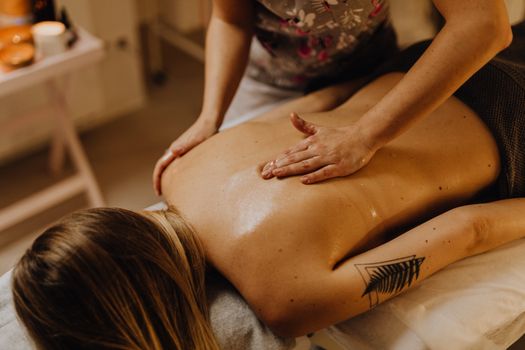
Swedish massage is often considered the classic Western massage style and serves as the foundation for many modern techniques. Developed in the early 19th century by Swedish physiologist Per Henrik Ling, this modality is characterized by its use of long, gliding strokes (effleurage), kneading (petrissage), rhythmic tapping (tapotement), and gentle joint movements.
Key benefits of Swedish massage include:
- Stress reduction and relaxation - Improved blood circulation - Relief from muscle tension - Enhanced flexibilityA 2010 study published in The Journal of Alternative and Complementary Medicine found that just one session of Swedish massage significantly decreased levels of the stress hormone cortisol and increased lymphocytes, which play a key role in immune function.
Swedish massage is ideal for those new to massage therapy, people seeking a relaxing experience, or anyone with mild muscle tension.
Deep Tissue Massage: Targeting Chronic Pain and Tension
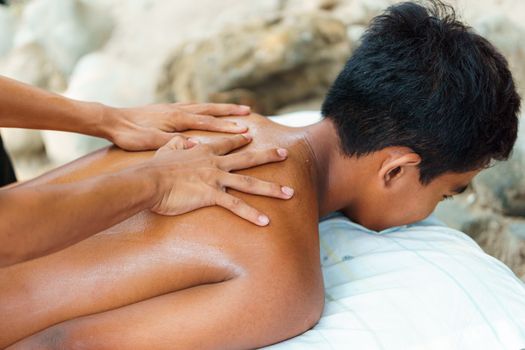
For individuals struggling with chronic muscle pain or specific areas of tension, deep tissue massage offers a more intensive approach. This technique uses slower, firmer strokes and concentrated pressure to reach deeper layers of muscle and connective tissue (fascia). Therapists may use their elbows, forearms, and thumbs to break down adhesions (knots) and improve mobility.
Deep tissue massage is commonly recommended for:
- Chronic back, neck, or shoulder pain - Recovery from sports injuries - Limited mobility due to scar tissue or tension - Postural issuesA 2014 study in the journal PLOS ONE found that deep tissue massage provided effective pain relief for individuals with chronic low back pain, with benefits comparable to nonsteroidal anti-inflammatory drugs (NSAIDs) but without medication side effects.
While deep tissue massage can be highly therapeutic, it may cause discomfort during or after sessions, especially if you’re not accustomed to intense pressure. Always communicate with your therapist about your comfort level.
Sports Massage: Supporting Athletic Performance and Recovery
Athletes and active individuals often turn to sports massage as part of their training and recovery regimen. Unlike relaxation-focused styles, sports massage is tailored to address the unique stresses placed on muscles and joints during physical activity. Techniques may include a combination of Swedish-style strokes, deep tissue work, stretching, and trigger point therapy.
Common uses for sports massage:
- Preparing muscles for competition (pre-event massage) - Reducing muscle soreness and inflammation post-exercise - Preventing injuries by identifying and addressing imbalances - Enhancing range of motion and flexibilityA 2016 meta-analysis published in the British Journal of Sports Medicine reviewed 29 studies and concluded that sports massage can help reduce delayed onset muscle soreness (DOMS) and improve muscle flexibility, especially when performed within 24 hours after intense exercise.
Sports massage sessions are often shorter (30-45 minutes) and more focused than general relaxation massages, zeroing in on problem areas relevant to an athlete’s sport or activity.
Specialized Techniques: Shiatsu, Thai, and Hot Stone Massage
While Swedish, deep tissue, and sports massages are among the most widely practiced in Western countries, specialized techniques from around the world are gaining popularity for their unique approaches and benefits.
Shiatsu Massage: Originating in Japan, shiatsu means “finger pressure.” It combines gentle stretching and rhythmic pressing along the body’s energy lines (meridians) using fingers, palms, and thumbs. Shiatsu is often performed on a mat on the floor, and recipients remain clothed. It’s commonly used for:
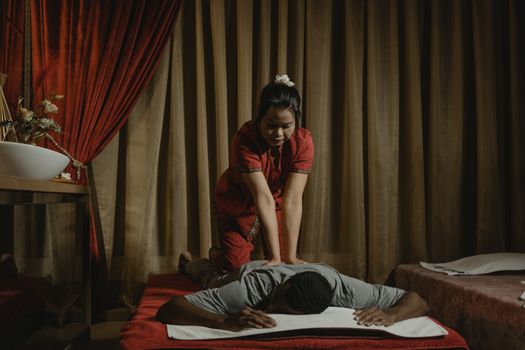
- Anxiety and stress reduction - Headache relief - Promoting energy flow and balanceThai Massage: This ancient technique blends acupressure, assisted yoga stretches, and deep compression. Practitioners use their hands, knees, legs, and feet to move the recipient through a series of stretches. Thai massage is typically performed on a mat, with the client fully clothed. Benefits include:
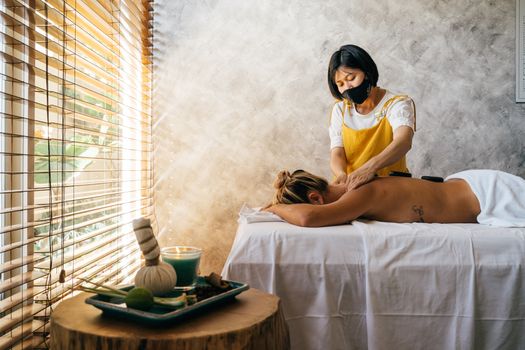
- Increased flexibility and joint mobility - Improved posture and alignment - Enhanced energy and relaxationHot Stone Massage: Incorporating heated basalt stones, this style involves placing and gliding warm stones over tense areas of the body. The heat helps to relax muscles, allowing for deeper tissue manipulation without discomfort. Hot stone massage is particularly effective for:
- Soothing chronic tension - Promoting deep relaxation - Easing anxiety and insomniaComparing Popular Massage Types: A Quick Reference Table
The following table offers a side-by-side comparison to help you choose the right massage modality based on your goals, pressure preferences, and typical session details.
| Massage Type | Typical Pressure | Main Benefits | Session Length | Best For |
|---|---|---|---|---|
| Swedish | Light to Medium | Relaxation, Circulation, Stress Relief | 60-90 min | Beginners, General Wellness |
| Deep Tissue | Medium to Deep | Chronic Pain, Muscle Tension | 60-90 min | Chronic Pain Sufferers |
| Sports | Medium to Deep | Injury Prevention, Recovery | 30-60 min | Athletes, Active Individuals |
| Shiatsu | Variable (Finger Pressure) | Energy Flow, Stress Relief | 60 min | Stress, Energy Imbalance |
| Thai | Variable (Stretching & Compression) | Flexibility, Mobility | 60-90 min | Flexibility Seekers |
| Hot Stone | Light to Medium (with Heat) | Deep Relaxation, Muscle Relief | 60-90 min | Stress, Tension Relief |
Choosing the Right Massage for Your Wellness Goals
Selecting the ideal massage type depends on your personal preferences, health needs, and lifestyle goals. Here are a few tips to help you make an informed choice:
- If you’re new to massage, Swedish massage offers a gentle introduction and is suitable for most people. - For persistent muscle knots or chronic pain, deep tissue massage may provide targeted relief. - Athletes or those with active lifestyles can benefit from sports massage to aid recovery and prevent injuries. - If you prefer a fully clothed session or want to try energy-based techniques, consider shiatsu or Thai massage. - For those seeking deep relaxation or to address insomnia, hot stone massage can be especially soothing.It’s always a good idea to discuss your goals, health history, and any areas of discomfort with your massage therapist before your session. Certified therapists can tailor techniques to your individual needs and ensure your experience is both safe and beneficial.
The Future of Massage Therapy: Trends and Innovations
The popularity of massage therapy continues to grow, with the global market expected to reach $30.5 billion by 2027, according to Grand View Research. New trends are emerging, such as the integration of technology (like massage chairs and percussive devices), the rise of mobile and in-home massage services, and an increased focus on holistic wellness.
Additionally, more scientific studies are being conducted to validate the benefits of various massage modalities. For example, a 2021 review in the journal Pain Medicine found that massage therapy can significantly reduce pain and improve function for individuals with conditions such as fibromyalgia and osteoarthritis.
As the industry evolves, consumers have more options than ever before. Whether you’re looking for traditional hands-on therapies or innovative approaches that blend ancient wisdom with modern science, there’s a professional massage style to suit every preference and need.